For decades, mainstream video games treated Indigenous cultures like a historical aesthetic or an easy plot device. You know exactly what that looks like. It's the silent warrior archetype tracking footprints in a forest, the tribal shaman dispensing vague mystical wisdom, or the villainous raiders standing between a white protagonist and their objective.
These tropes are exhausting. They freeze vibrant, living communities into permanent, caricatured museum exhibits.
Real representation doesn't come from a massive corporate studio hiring a single cultural consultant to approve a character design at the last minute. It comes from the ground up, built by people who actually live the culture. Right now, a tiny four-person team in rural Saskatchewan is demonstrating exactly how to build an authentic alternative.
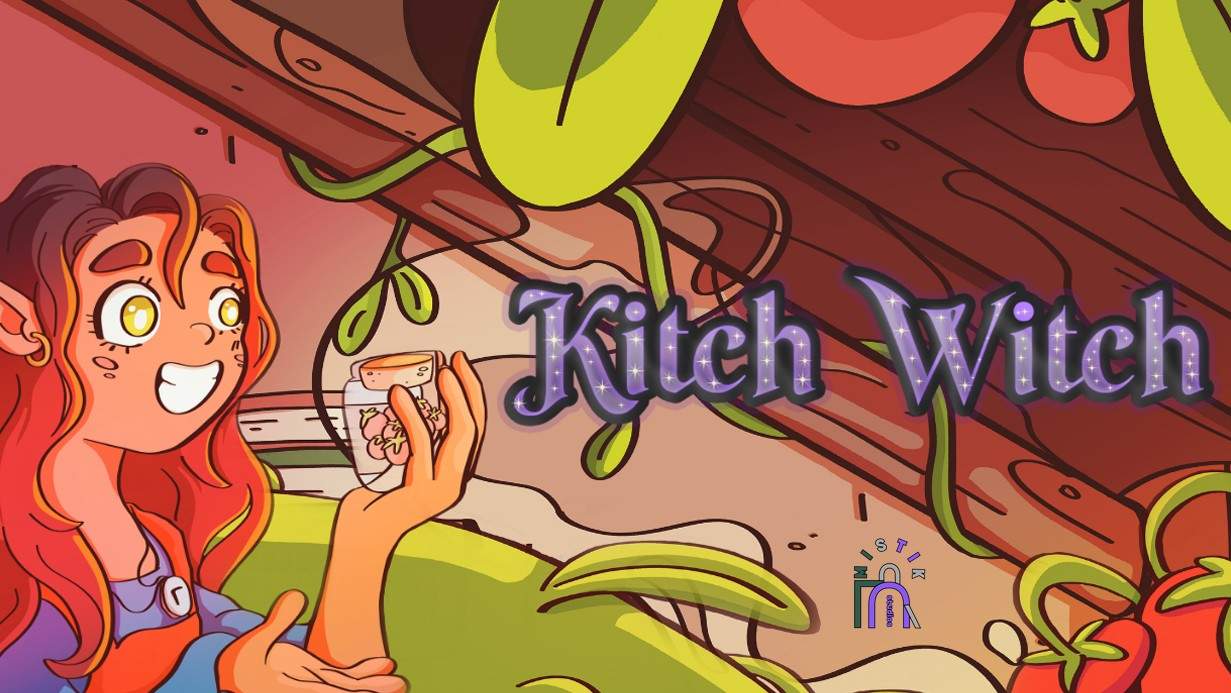
Mistik Studios, a Cree and Métis-led independent game developer operating out of Treaty 6 territory, recently pulled back the curtain on its debut title, Kitch Witch. They aren't trying to make a heavy-handed educational game to teach history lessons. Instead, they're building a cozy life-sim RPG that embeds active cultural preservation into its actual mechanics.
It's a blueprint for what genuine cultural ownership looks like in modern media.
The problem with corporate tokenism in games
Major publishers love to talk about diversity. They create committees, release annual reports, and add diverse characters to their marketing materials. But when you look closely at the games themselves, the mechanics tell a different story.
Most big-budget titles are built on a mechanical foundation of colonialism, extraction, and domination. You arrive in a new territory, map it out, exploit its resources, kill the local hostile population, and claim the rewards. When you drop an Indigenous skin or character model into that specific gameplay loop, it feels hollow because the core action of the game contradicts the values of the culture it claims to represent.
Authentic storytelling requires changing the foundational mechanics of the game, not just the art style.
Take a look at the historical attempts to fix this. For years, the only alternative to colonial power fantasies was the strict "educational game." These projects had good intentions, but they often felt like digital textbooks. They lacked the mechanical depth and polished loops required to compete for a player's casual downtime.
To actually change how people interact with Indigenous stories, creators have to build something people want to play purely for fun.
How Kitch Witch reframes the life-sim genre
Instead of a combat-heavy survival loop, Mistik Studios chose the cozy narrative life-sim as their framework, drawing inspiration from titles like Stardew Valley. In Kitch Witch, you play a young witch who returns to a woodland cabin to take over her late grandmother’s culinary clinic.
The core gameplay loop centers around diagnosing patients, foraging for wild plants across five distinct biomes, and using physics-based cooking minigames to brew remedies. Food is medicine.
Founder and creative director Kay-Lynne Fehr built this loop directly from her real life. Before founding the studio, she ran a non-profit food security initiative called the Mistik Collective, which grows produce and distributes free food boxes to communities.
The game translates that real-world experience of community reciprocity into mechanical systems. Your choices have consequences for the surrounding town. If you successfully treat your patients, you build deep trust within the community; if you neglect them, the local environment and society feel the impact.
It replaces the standard "extractive" model of RPGs with a model based on care, balance, and community responsibility.
Moving language revitalization into commercial spaces
The most ambitious part of this project isn't the art or the cozy setup. It's the localization plan.
Mistik Studios is working to localize Kitch Witch into both Plains Cree and Northern Michif. This isn't a minor addition; it represents one of the first major attempts to bring these specific languages into a commercial, non-educational video game.
Language revitalization usually happens in classrooms, textbooks, and academic archives. But if a language only exists in institutional spaces, it struggles to survive with younger generations. Youth need to see their languages operating in spaces associated with leisure, entertainment, and modern technology.
By putting Plains Cree and Northern Michif into a commercial Steam title, the studio gives young Indigenous players a casual, low-stakes way to engage with their linguistic heritage. They can see a ribbon skirt in the game or read dialogue choices in their community’s language while sitting on their couch.
It normalizes the presence of these cultures in modern digital media rather than keeping them trapped in historical fiction.
The reality of small-team game development
Building an independent game with a tiny team is incredibly difficult. Mistik Studios consists of just four people, including Fehr, her husband Marentin, a technical lead from Waterhen Lake First Nation, and an artist from Big River First Nation.
When you don't have the massive financial backing of a multi-billion-dollar publisher, your development timeline looks very different. Kitch Witch is currently in active development, with an early access launch targeted for late 2027. To survive that multi-year development cycle, independent teams have to rely heavily on regional arts councils, community partnerships, and public interest.
Mistik has kept their project moving by partnering with local organizations like SaskInteractive and SK Arts. This community-centric funding model protects their creative control. They don't have outside investors forcing them to cut the language initiatives or add aggressive monetization mechanics to appeal to a broader, generic demographic.
Support independent indigenous creators directly
If you want to see a genuine shift in how cultural stories are told in media, you have to support the creators taking the actual risks. You can't just wait around for massive publishers to get it right.
The easiest, most effective way to help an independent game studio right now costs absolutely nothing. Go to Steam, search for Kitch Witch, and add it to your wishlist. Valve’s discovery algorithm relies heavily on pre-launch wishlist numbers to determine which games get featured on the storefront during launch week. A spike in wishlists directly translates to visibility when the game finally hits early access in 2027.
If you want to track their development progress or support their language localization work directly, you can follow their studio updates on Patreon, where they share behind-the-scenes looks at their asset creation, musical tracks, and coding milestones.


