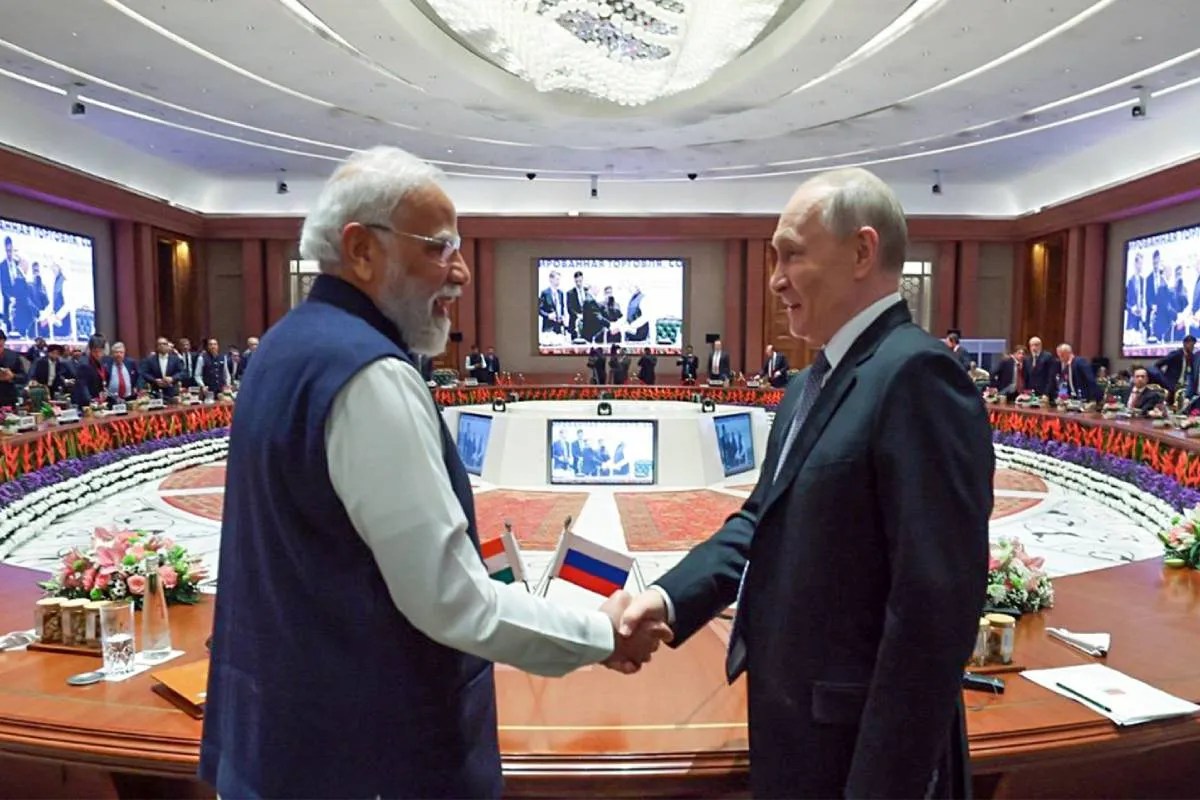
New Delhi and Moscow continue to deepen their strategic partnership despite intense economic and diplomatic pressure from Washington. This ongoing cooperation is not a temporary diplomatic maneuver, but a calculated alignment based on long-term national interests. India refuses to abandon its relationship with Russia because Moscow provides critical energy security, military hardware, and a geopolitical counterbalance in Asia. Washington’s attempts to force India into a binary choice have failed because New Delhi prioritizes its strategic autonomy above the demands of Western coalitions.
The Strategic Autonomy Doctrine
Western analysts often misjudge India’s foreign policy by viewing it through a Cold War lens. They expect clear-cut alliances. India does not operate this way. For decades, New Delhi has adhered to a policy of strategic autonomy, meaning it refuses to become a junior partner in any superpower bloc. This policy is driven by a realistic assessment of India's unique regional vulnerabilities, particularly its contested borders with China and Pakistan.
Maintaining a functional relationship with Moscow prevents Russia from drifting completely into Beijing's sphere of influence. If India were to sever ties with Russia, it would isolate itself in its own neighborhood, leaving Russia with no choice but to align entirely with China. By keeping communication lines open and trade flowing, New Delhi ensures that Moscow retains a vested interest in Indian security.
The Energy Equation
Economic reality trumps ideological solidarity. When Western nations imposed sweeping sanctions on Russian oil, they expected the global economy to isolate Moscow. Instead, the move created a massive market opportunity for India.
Indian refiners stepped in to purchase discounted Russian crude oil in unprecedented volumes. This decision was not made out of malice toward the West, but out of absolute necessity to fuel a growing domestic economy.
Energy security forms the bedrock of India's current economic expansion. Cheap oil imports kept domestic inflation under control at a time when global energy prices were skyrocketing. Refined petroleum products from India are even exported back to European markets, revealing the inherent contradictions in the global sanctions regime. Washington quietly tolerates this arrangement because a total cutoff of Russian oil from the global market would trigger a catastrophic spike in worldwide energy prices, harming Western economies as much as anyone else.
The Defense Dependency
You cannot replace an army's entire supply chain overnight. Decades of Soviet and Russian military procurement mean that the vast majority of India's conventional defense hardware originates from Moscow. From fighter jets and submarines to main battle tanks and air defense systems, the Indian military relies heavily on Russian spare parts, maintenance, and technical upgrades.
- S-400 Missile Systems: India proceeded with the purchase of these advanced air defense units despite the threat of US sanctions under the Countering America's Adversaries Through Sanctions Act (CAATSAs).
- Joint Ventures: BrahMos Aerospace, which produces world-class supersonic cruise missiles, is a direct joint venture between New Delhi and Moscow.
- Technology Transfer: Unlike many Western suppliers who offer strict end-user monitoring and limited technology sharing, Russia has historically been willing to co-develop weapons and transfer critical technical blueprints to Indian engineers.
Transitioning away from this equipment takes decades, not years. Expecting India to abruptly halt defense cooperation with Russia is asking it to unilaterally compromise its own national defense capabilities while facing hostile neighbors.
Diversification is Not Abandonment
Washington has attempted to lure New Delhi away from Moscow by offering advanced American military hardware and closer intelligence cooperation through the Quad framework. India has welcomed these overtures. It has increased purchases of American transport aircraft, drones, and naval equipment.
This is not a pivot. It is diversification. India’s goal is to avoid over-reliance on any single global power, whether that power is Russia or the United States.
The Western expectation that India will eventually choose a side is fundamentally flawed. New Delhi views the emerging global order as multipolar, a system where multiple power centers negotiate and cut deals based on shifting national interests rather than rigid ideological alliances. India will continue to buy American weapons, participate in Western economic forums, and simultaneously purchase Russian oil and maintain diplomatic ties with Moscow.
The Limits of Western Pressure
The diplomatic rhetoric coming out of Washington often emphasizes shared democratic values. While these values matter in joint communiqués, they rarely dictate the hard realities of statecraft. United States policymakers increasingly recognize that heavy-handed lecturing on human rights or strategic choices alienates the Indian leadership and pushes public opinion against the West.
Sanctions work best against economically isolated or fragile nations. They fail against a massive, growing economy like India, which possesses the market leverage to dictate its own terms of trade. When Western nations pressure India to conform, New Delhi points out the historical inconsistencies in Western foreign policy, noting that European nations continued to purchase Russian natural gas long after demanding that the rest of the world cease trading with Moscow.
The transactional nature of modern geopolitics means that partnerships are judged by their tangible benefits. Russia offers India cheap energy and reliable defense equipment without attaching political strings or lectures on domestic governance. Until the West can match those terms without demanding strategic subordination, the New Delhi-Moscow nexus will remain unbroken.