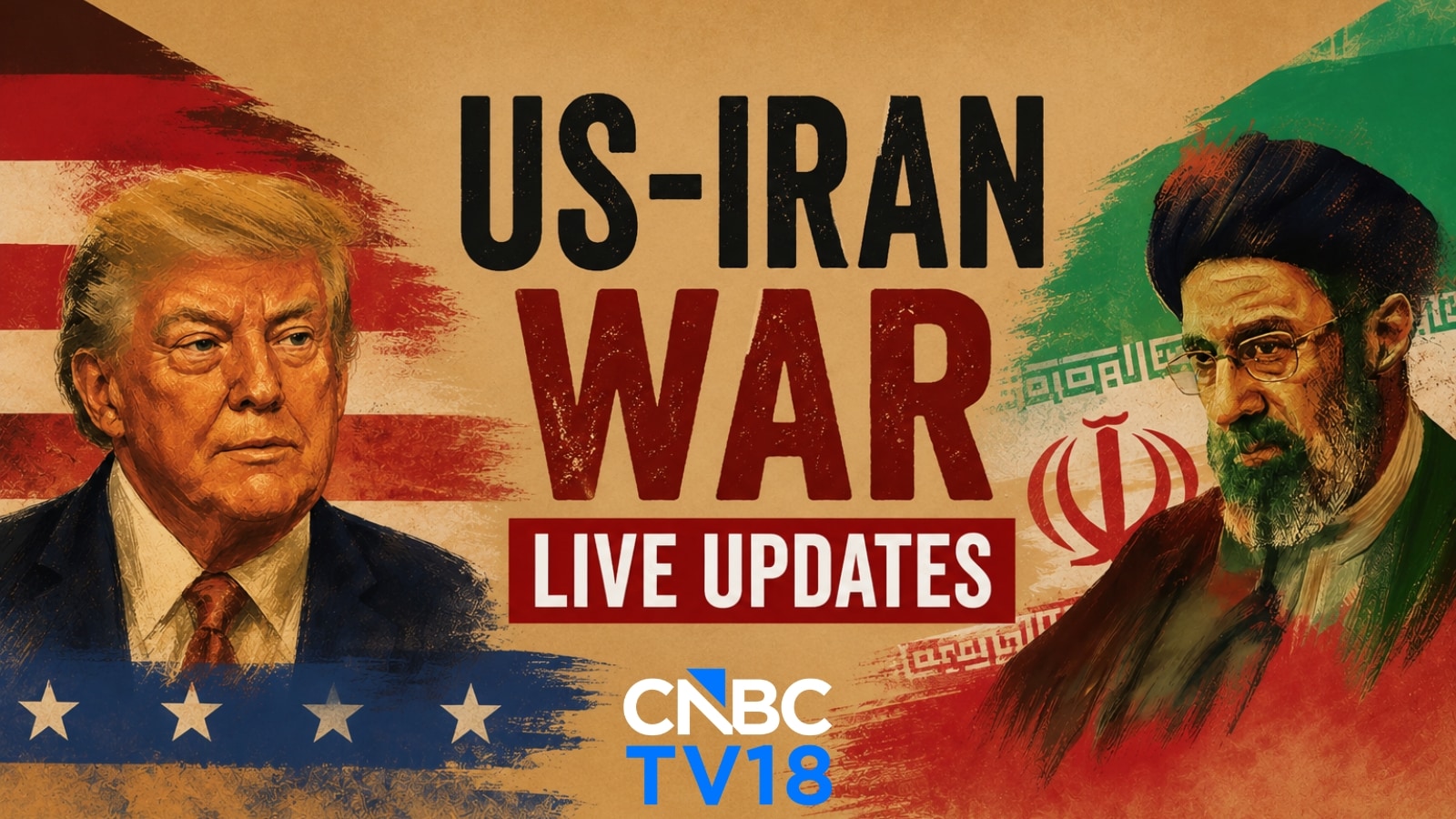
Commercial shipping traffic through the Bab al-Mandeb Strait has recently flashed brief, headline-grabbing spikes, leading casual observers to assume the Red Sea crisis is thawing. This statistical bounce is an illusion. Behind the minor uptick in daily transits lies a volatile, high-stakes game of maritime roulette dictated by the wider US-Iran conflict and shifting Houthi enforcement strategies. Anyone looking at raw vessel counts and concluding that international trade routes are returning to normal is misreading the structural reality of modern naval chokepoints.
To understand why shipping companies are occasionally braving the southern gate of the Red Sea, one must look past the aggregate numbers and examine the mechanics of desperation. The Strait of Hormuz remains heavily constrained due to ongoing hostilities, leaving major energy exporters with few viable alternatives. When Saudi Arabia and other Gulf producers face choked outlets in the Persian Gulf, crude must find an exit. Transiting the Bab al-Mandeb to reach the Suez Canal is not a sign of restored confidence; it is a calculated gamble driven by bloated logistics costs and the physical limits of alternative overland pipelines. If you found value in this piece, you should read: this related article.
The underlying threat architecture has not fundamentally improved. Yemen’s Houthi movement continues to calibrate its offensive posture based on direct geopolitical signals from Tehran and Washington. When diplomatic talks stall or strategic exchanges flare up, the strait transforms overnight from a commercial artery into a target zone. A handful of very large crude carriers making it through a 48-hour window of reduced military engagement does not mean the waters are safe. It means shipowners are playing a dangerous probabilistic game, weighing the cost of insurance premiums and potential hull loss against the crushing financial penalty of routing around the Cape of Good Hope.
Insurance underwriters know this better than anyone. Rates for hull and machinery coverage in the southern Red Sea remain punishingly high, reflecting an environment where peace is merely a temporary pause between escalations. A single successful drone or missile strike against a commercial tanker instantly resets the calculus, triggering immediate reroutings and sending spot freight rates surging. The market reacts with whiplash-inducing speed, proving that temporary volume rebounds are fragile anomalies rather than a sustainable trend. For another look on this story, check out the latest update from The New York Times.
Compounding this instability is the weaponization of regional port infrastructure. The Houthis have expanded their operational scope, issuing direct embargoes against specific national terminals and threatening vessels linked to broader regional disputes. When non-state actors can unilaterally declare maritime blockades and enforce them with asymmetric capabilities—such as low-cost uncrewed aerial systems and anti-ship ballistic missiles—traditional naval escort operations struggle to provide absolute security. Operating a commercial fleet under these conditions requires an intelligence apparatus that few independent shipping lines possess.
Global supply chains have adapted to this permanent state of exception by building inefficiency into their core models. Longer transit times, permanently altered bunkering schedules, and diversified asset allocation are now standard operating procedure for major container lines. These structural adjustments mean that even if daily transit numbers in the Bab al-Mandeb occasionally flirt with historical averages, the economic drag remains baked into consumer goods and energy prices worldwide. The global economy is no longer operating on a just-in-time delivery framework; it is surviving on a just-in-case survivalist strategy.
Policy makers and industry analysts who celebrate a statistical rebound in Red Sea crossings are confusing a temporary lull for strategic stability. As long as the structural drivers of the Middle East conflict remain unresolved, the Bab al-Mandeb will stay a razor’s edge. The next disruption is not a matter of if, but when.