The screen on the trading floor flickers with a relentless, amber glow. Numbers climb, stutter, and climb again. Ninety-seven. Ninety-eight point five. The whisper of a hundred dollars per barrel hangs in the stale air of Manhattan and London, a heavy, suffocating scent that smells faintly of sulfur and scorched money. To the casual observer, it is just another twitch on a financial ticker. To Sarah, who owns a modest fleet of five delivery trucks in the damp chill of Ohio, it is the sound of her business slowly bleeding to death.
She watches the price of crude oil surge not as a macroeconomic indicator, but as a direct assault on her bottom line. Every tick upward strips another layer of margin from her delivery routes. Diesel is no longer just fuel; it is a creeping tax on her livelihood, driven by the tightening vise of geopolitical tension half a world away.
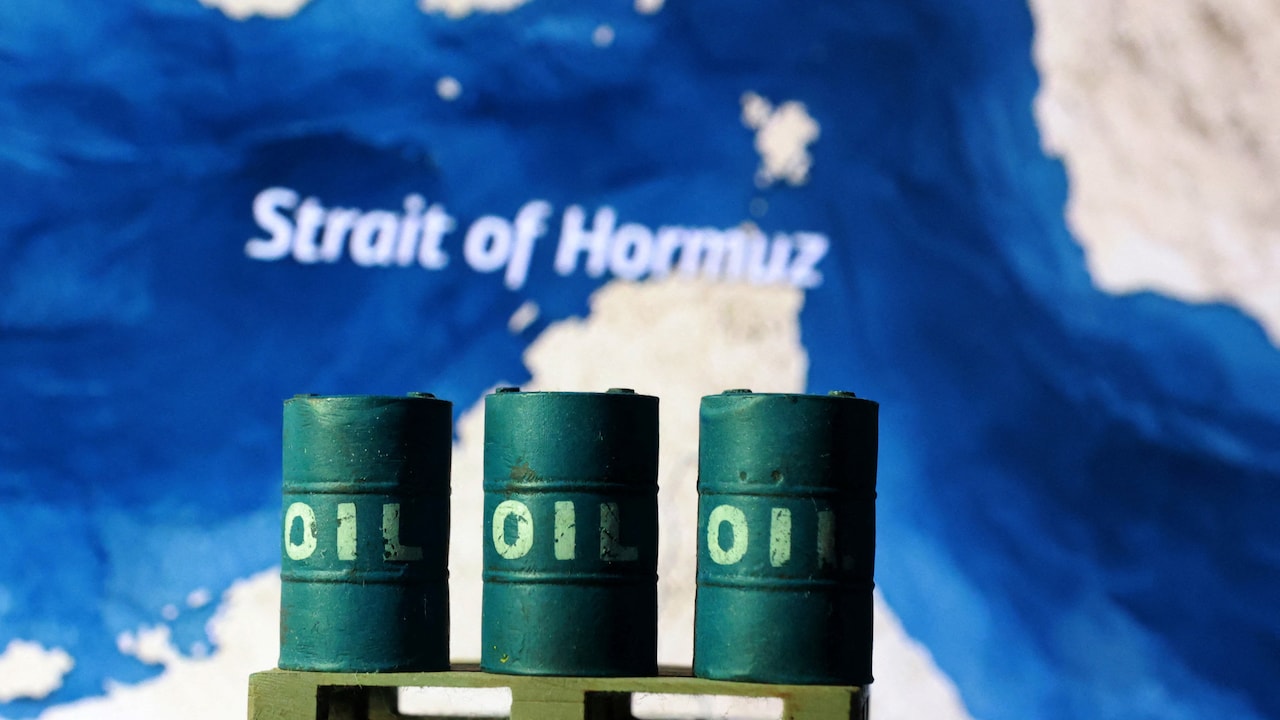
Far across the ocean, the Strait of Hormuz narrows into a choke point of grey water and coiled tension. This is where the maps of diplomats and the charts of oil traders collide. An escalating shadow war between Tehran and Washington has transformed this vital liquid highway into a theatre of imminent anxiety. Tankers ride low in the water, heavy with black gold, their crews navigating a gauntlet of drone surveillance and naval patrols. Every diplomatic breakdown, every sharp retort traded in UN hallways, sends ripples straight through the hull of these vessels and into the global supply chain.
We forget how fragile we are. We live inside a cocoon of plastic, asphalt, and combustion, assuming that energy is an infinite, ambient ether like the air we breathe. It is not. It is a finite, violently contested stream of organic matter pumped from the earth's crust, refined in roaring towers, and burned to keep the modern world spinning. When a pipeline sputters or a shipping lane closes, the illusion shatters.
Consider what happens inside a refinery when supply fears spike. Futures contracts trade furiously. Traders who have never seen an oil field scramble to hedge against chaos. The price climbs because fear has its own specific weight, heavier than water, heavier even than crude.
This is not a new story. We have seen this script before, written in the jagged inflation spikes of the 1970s and the nervous jitters of the early 2000s. Whenever the Middle East catches a cold, the global economy runs a high fever. Yet, this iteration carries a sharper edge. Supply lines are already strained, inventories are lean, and the transition to alternative energies has created an awkward, ungainly middle ground where the world is trying to abandon oil before it has actually figured out how to live without it.
Back in Ohio, Sarah turns off her office lights. The数字 on her fuel app mocks her. She is a micro-cosmic casualty of a macro-cosmic collision between two stubborn powers unwilling to blink.
The hundred-dollar barrel is not merely a psychological milestone for financial analysts. It is a toll booth on the road to everyday survival. It dictates the cost of a loaf of bread trucked from a distant farm. It decides whether the local school board can afford to run its buses through the winter. It quietly reshapes the choices of millions of people who care nothing for geopolitics until the cost of living forces them to care with a vengeance.
As the tankers slip silently through the dark waters of the Gulf, watched by radar eyes and guarded by missile batteries, the world holds its breath. The black tide rises, and with it, the quiet, persistent thrum of fear that hums just beneath the surface of our daily lives.