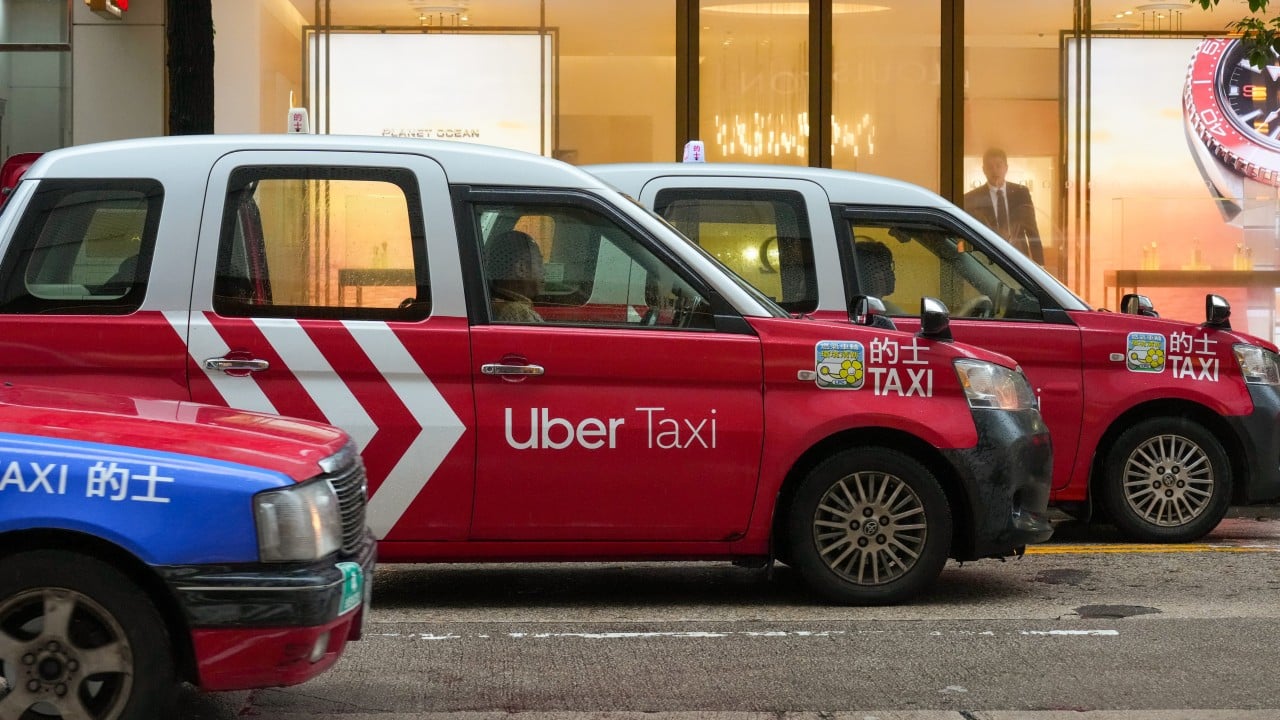
What happens when a government spent a decade declaring your business illegal, only to suddenly invite you in with open arms?
You get the current situation in Hong Kong.
The government officially announced that it will start inviting ride-hailing platforms to apply for formal licences this August. For years, driving an Uber in Hong Kong meant playing a game of cat-and-mouse with police officers posing as passengers. Now, the Transport Department is launching a dedicated webpage, introducing a combined taxi and ride-hailing driving test, and laying out the red carpet.
But don't pop the champagne just yet.
If you look closely at the details of this new regulatory framework, it's clear this isn't a victory lap for ride-hailing platforms. It's a calculated, slow-motion takeover. The government isn't just legalizing Uber; they are remodeling it to look exactly like the traditional taxi industry they’ve spent years protecting.
The 10,000 Permit Problem
The headline number sounds decent. The government is offering up to 10,000 vehicle permits for ride-hailing services in its initial phase.
But here’s the problem. Uber currently has over 30,000 active drivers operating in Hong Kong.
By capping the permits at 10,000, the government is effectively slicing the industry in half. The math doesn't work. If you cut the driver pool by more than 60%, waiting times for a car will skyrocket. Uber has already warned that wait times could easily double during rush hour, and fares might jump by as much as 70%.
Lawmakers in the Legislative Council are already raising red flags. During debates, several representatives pointed out that 10,000 permits won't even cover basic peak-hour demand. They are pushing for a "dynamic adjustment mechanism"—which is basically code for "we need to increase this number fast before the public gets furious about waiting an hour for a ride."
For now, the government is sticking to its "prudent, careful approach." But for the average commuter, "prudent" might just mean standing in the rain waiting for a ride that isn't coming.
Red Tape disguised as Regulation
Starting August 3, the first wave of these new legal provisions kicks in. If you want to run a ride-hailing platform or drive for one, the list of hoops to jump through is exhausting.
- Vehicle-Driver Binding: You can't just jump into any registered car and start driving. The permits tie specific drivers to specific vehicles. If a car breaks down, the driver can't just borrow a partner's car and keep working.
- The Age Limit: Vehicles used for ride-hailing cannot be more than seven years old and must pass annual safety inspections.
- The Driver Check: Drivers must be at least 21 years old, have held a clean license for at least a year, have zero serious traffic convictions over the past five years, and pass a brand-new combined driving test.
- Facial Recognition: To stop account sharing, platforms must use biometric tech like facial recognition to verify that the person behind the wheel is actually the registered permit holder.
The goal here isn't just safety. It's about raising the barrier to entry so high that casual, part-time drivers—the very backbone of the gig economy—simply walk away.
The Cabbie Protection Program
Why go to all this trouble? Follow the money.
Hong Kong’s 18,000 traditional taxis have massive political clout. Premium taxi licences (which are traded like commodities) used to be worth millions of Hong Kong dollars. The rise of Uber dented those values and infuriated powerful syndicate owners.
The government’s new policy is a masterclass in compromise. By forcing ride-hailing platforms to pay fees, require strict permits, and restrict their numbers, they are leveling the playing field—not by making taxis better, but by making ride-hailing more expensive and less convenient.
The government is even proposing that these platforms integrate local taxi drivers directly into their systems. They want Uber to be a premium taxi dispatcher, not a disruptor.
What to Do If You're a Driver or Passenger
If you're currently driving for a platform in Hong Kong or rely on them to get to work, the landscape is shifting under your feet.
If you are a driver, you need to prepare for the transition. Get your paperwork ready. Keep an eye on the Transport Department's new dedicated webpage launching tomorrow. You will need to sign up for the combined taxi and ride-hailing driving test, which opens for applications on August 3. If your car is getting close to that seven-year limit, start looking for a replacement or prepare to transition out of the gig.
If you are a passenger, prepare for price hikes. The transition period between now and August 2027—when the full weight of the law, including platform criminalization, takes effect—is going to be messy. Expect longer wait times and higher surge pricing as the supply of unlicensed drivers slowly dries up.
Hong Kong isn't banning ride-hailing. It's just suffocating the freedom that made it popular in the first place.