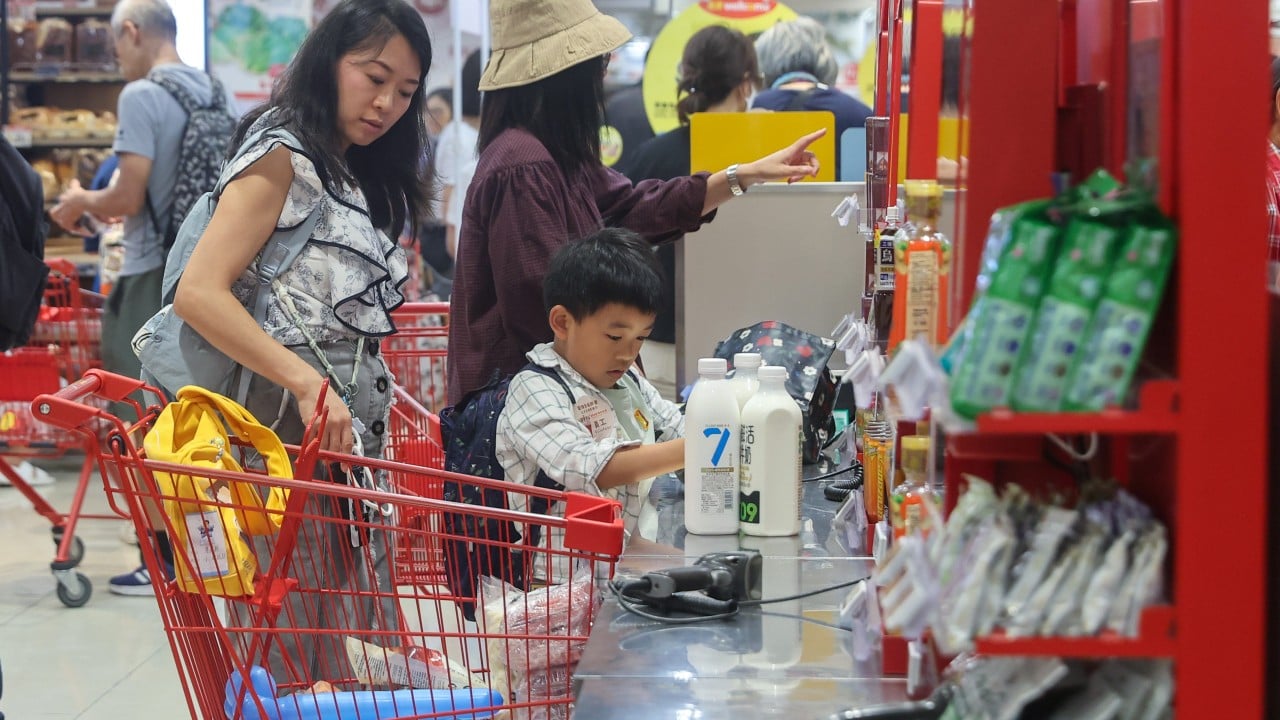
Hong Kong's grocery aisles have turned into a tactical battlefield. If you tried to grab a carton of milk or a box of chocolates at a major supermarket on the eve of Mother’s Day, you likely found yourself squeezed between overflowing trolleys and aggressive discount tags. The "price war" isn't just a marketing slogan anymore. It’s a desperate grab for your wallet as retailers face a biting retail slump and a shift in how locals spend their cash.
The scenes at Wellcome and ParknShop over the weekend weren't just busy. They were chaotic. While many expected the typical rush for carnations and bird’s nest soup, the scale of the crowds suggested something deeper. People aren't just buying for the holiday; they're stockpiling because the discounts have finally hit a tipping point.
The Reality Behind Those Red Discount Tags
Retailers in Hong Kong are hurting. With more residents heading across the border to Shenzhen for cheaper bulk groceries at Sam’s Club or Costco, local giants like AS Watson and DFI Retail Group have to fight back. They don't have a choice. This Mother’s Day provided the perfect excuse to slash prices on high-end items that usually stay at a premium.
I’m talking about significant drops. It’s common to see "buy one get one free" on premium abalone, or 40% off imported Japanese fruits. These aren't the lukewarm 5% discounts we saw a few years ago. This is a scorched-earth strategy to keep people in the city. You’ve probably noticed the yellow "Price Drop" stickers appearing on everyday essentials too. Bread, eggs, and laundry detergent are being used as loss leaders just to get you through the sliding glass doors.
The math is simple for the supermarkets but painful. They’re sacrificing margins to maintain foot traffic. If they can get you in for the cheap eggs, they hope you’ll pick up a full-priced bottle of champagne or a gift set for your mom while you’re there.
Why Mother’s Day Became the Flashpoint
Mother’s Day is traditionally one of the biggest spending days in the territory. Usually, that money goes to restaurants. But with dining costs soaring and the "northbound" travel trend picking up steam, many families are choosing to stay home. A home-cooked meal is suddenly more attractive than a $2,000 set menu at a crowded dim sum hall.
Supermarkets caught onto this early. By positioning themselves as the "affordable" way to celebrate, they’ve tapped into the current mood of the city. People are tired of overpaying. They want quality, but they want it at a price that feels fair. When you see a crowd of two hundred people trying to get into a supermarket in Causeway Bay at 7 PM on a Saturday, you're seeing a shift in consumer psychology. The prestige of the high-end mall is losing ground to the practicality of the supermarket deal.
What Most People Miss About the Retail Crunch
It’s easy to look at the crowds and think the economy is booming. It’s not. High foot traffic in a supermarket during a price war is actually a sign of cautious spending. When people swarm a store because rice is $10 cheaper, it means they're feeling the pinch.
We also have to look at the competition from online platforms. HKTVmall and grocery delivery apps have forced physical stores to make their in-person experience "worth it." That usually means immediate gratification and prices that look better on a shelf than they do on a screen. If you’re a local shopper, you’ve likely realized that the best deals are often unannounced. You have to be there, in the aisle, to see the manager’s special or the flash sale that expires in two hours.
How to Win the Grocery Game Right Now
If you’re going to navigate these price wars without losing your mind, you need a strategy. Don't just walk in and hope for the best.
- Check the bulk prices first. Sometimes the "special offer" for two items is actually more expensive than the individual unit price was last week. Retailers are sneaky like that.
- Look for the "near-date" stickers. For Mother’s Day specials, high-end cakes and meat often get marked down heavily by 8 PM on the day before the holiday.
- Avoid the 5 PM to 7 PM window. That’s when the "packing" mentioned in the news reaches its peak. If you can go at 10 AM or 10 PM, you’ll actually be able to move your trolley.
The price war isn't going to end on Monday morning. Now that the major chains have seen how much volume they can move with deep discounts, expect this trend to continue through the summer. The retail landscape has fundamentally shifted. We’re in an era where the consumer finally has some leverage, but only if you’re willing to fight the crowds to get it.
Keep an eye on the smaller regional players too. U Select and smaller independent grocers are often forced to undercut the big two even further just to survive. If you want the best prices, stop being loyal to one brand. Shop around, compare the apps, and don't be afraid to walk out if the "sale" doesn't feel like a bargain.