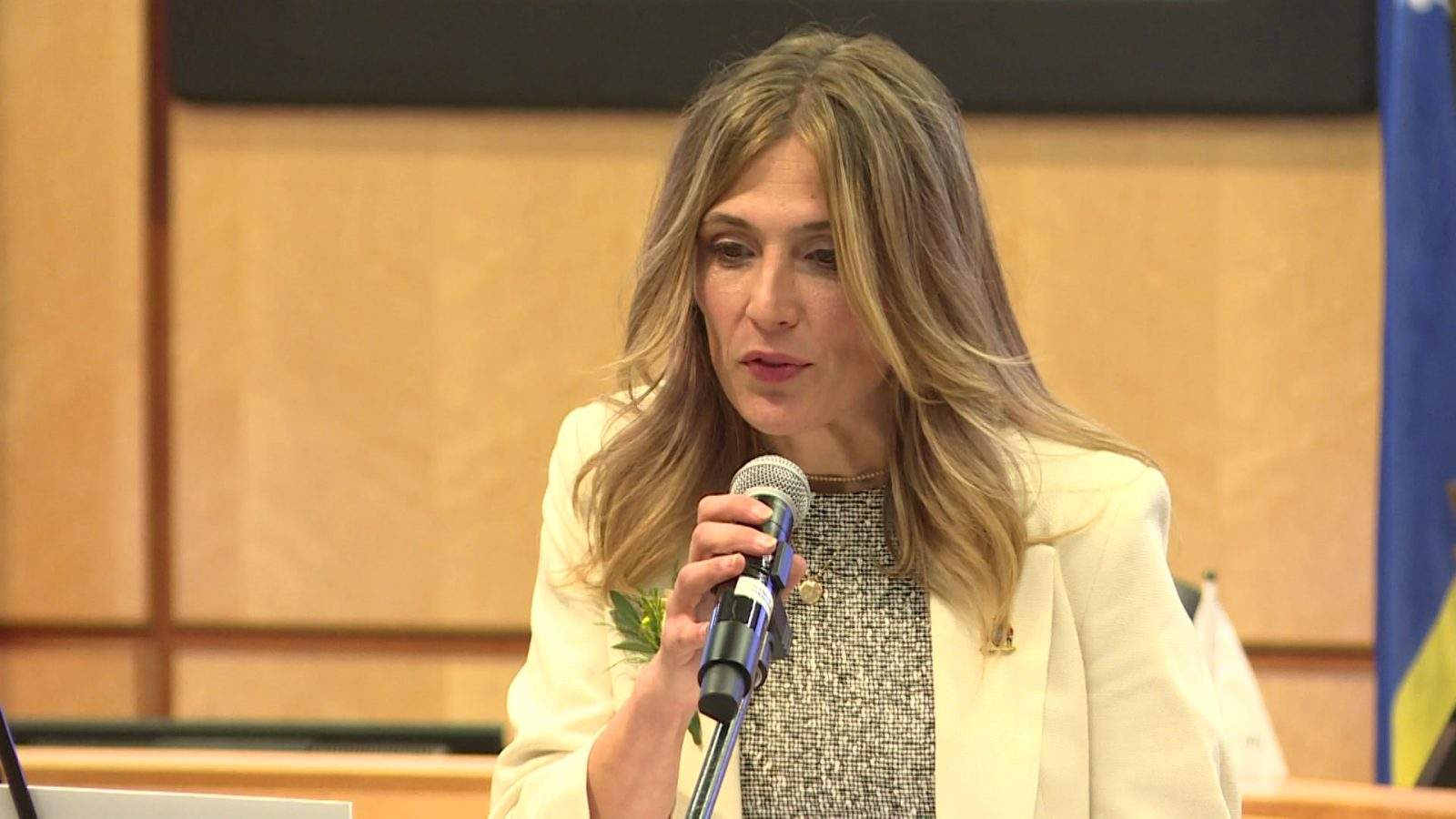
Local municipal councils across North America are facing a relentless wave of external interference, where routine decisions on zoning, water fluoridation, and civic markers are being overwhelmed by digital floods of emails and remote speakers from outside the local voter base. What was once designed to be an accessible, hyper-local democratic forum is now structurally vulnerable to coordinated internet campaigns, activist networks, and automated script-runners who treat municipal chambers as proxy battlegrounds for broader culture wars.
Consider the mechanics of modern municipal governance. City councils operate on slender administrative budgets, relying on part-time elected officials and minimal clerical staff. They were never architected to withstand distributed digital pressure campaigns originating thousands of miles away. When a city council in Regina or Vancouver schedules a public hearing on localized matters, public inboxes do not simply receive thoughtful notes from affected neighbors. Instead, they buckle under thousands of identical, copy-and-paste form emails and blocks of registered out-of-town callers.
The Anatomy of the Municipal Filibuster
The phenomenon has earned a grim moniker among local lawmakers: the municipal filibuster. It turns ordinary public comment periods into endurance tests.
Last year, a municipal debate in Regina regarding water fluoridation stretched across an exhausting eight-hour session. More than one hundred delegates registered to speak, a significant fraction of whom resided completely outside the municipality. Councillors watched as administrative time, taxpayer resources, and public patience were consumed by individuals whose primary stake in the community was ideological alignment with an online influencer network.
The pattern repeats wherever a localized issue touches a national nerve. When Toronto voted to rename a public square, petitions opposing the change rolled in carrying signatures harvested from distant jurisdictions, including cities like Tampa, Florida. In Vancouver, virtual public hearings on neighborhood planning plans drew callers from across the United States, prompting local leadership to openly label the disruption an affront to localized self-determination.
This is not organic civic participation. It is the weaponization of open-door municipal policies by hyper-connected external actors.
Why Digital Accessibility Broke City Hall
The structural vulnerability stems from a mismatch between nineteenth-century governance models and twenty-first-century communication technology. Municipalities rushed to digitize during the past two decades. They introduced hybrid meeting formats, digital comment submission portals, and direct email access to elected officials to foster transparency.
These tools assumed a baseline of geographic good faith. The system presumed that only people whose property values, tax rates, or children's schools were directly impacted would bother logging on or writing in.
That presumption has evaporated. Social media platforms and ideological newsletters now package municipal agendas into call-to-action alerts. Readers are provided with pre-written email templates, direct submission links, and talking points. Clicking a button allows a resident of a distant province or foreign country to flood a small-town inbox with hundreds of identical demands.
The administrative toll is severe. City clerks must process, archive, and sometimes legally respond to or log these communications. For a city council with a staff of three, sorting through three thousand form letters about a local zoning variance creates an impossible operational bottleneck. Real constituent concerns—potholes, garbage collection, and local park maintenance—get drowned out by globalized outrage.
The Defense Mechanisms and Their Costs
Elected officials are beginning to push back, though their remedies risk alienating genuine residents.
Motions have been introduced in various jurisdictions to restrict out-of-town speakers, require local sponsorship from a sitting councillor, or limit non-residents to written submissions. Yet every attempt to gatekeep public comment is met with fierce resistance from civil liberties advocates who fear that tightening the rules will permanently lock out legitimate regional stakeholders, such as regional workers, nearby business owners, or advocacy groups with a genuine stake in municipal policy.
Furthermore, changing municipal charters requires provincial or state legislative approval, turning a local headache into a protracted legislative battle. Mayors calling for restrictions on foreign or out-of-state virtual callers face legal gray areas regarding freedom of expression and open-meeting statutes.
The uncomfortable truth is that keeping city hall entirely open to the world means forfeiting the ability of a community to govern itself. Without structural filters, local democracy becomes a game won by whichever faction commands the largest digital megaphone, leaving ordinary citizens wondering why their elected representatives no longer seem to be listening to the streets they actually walk on.