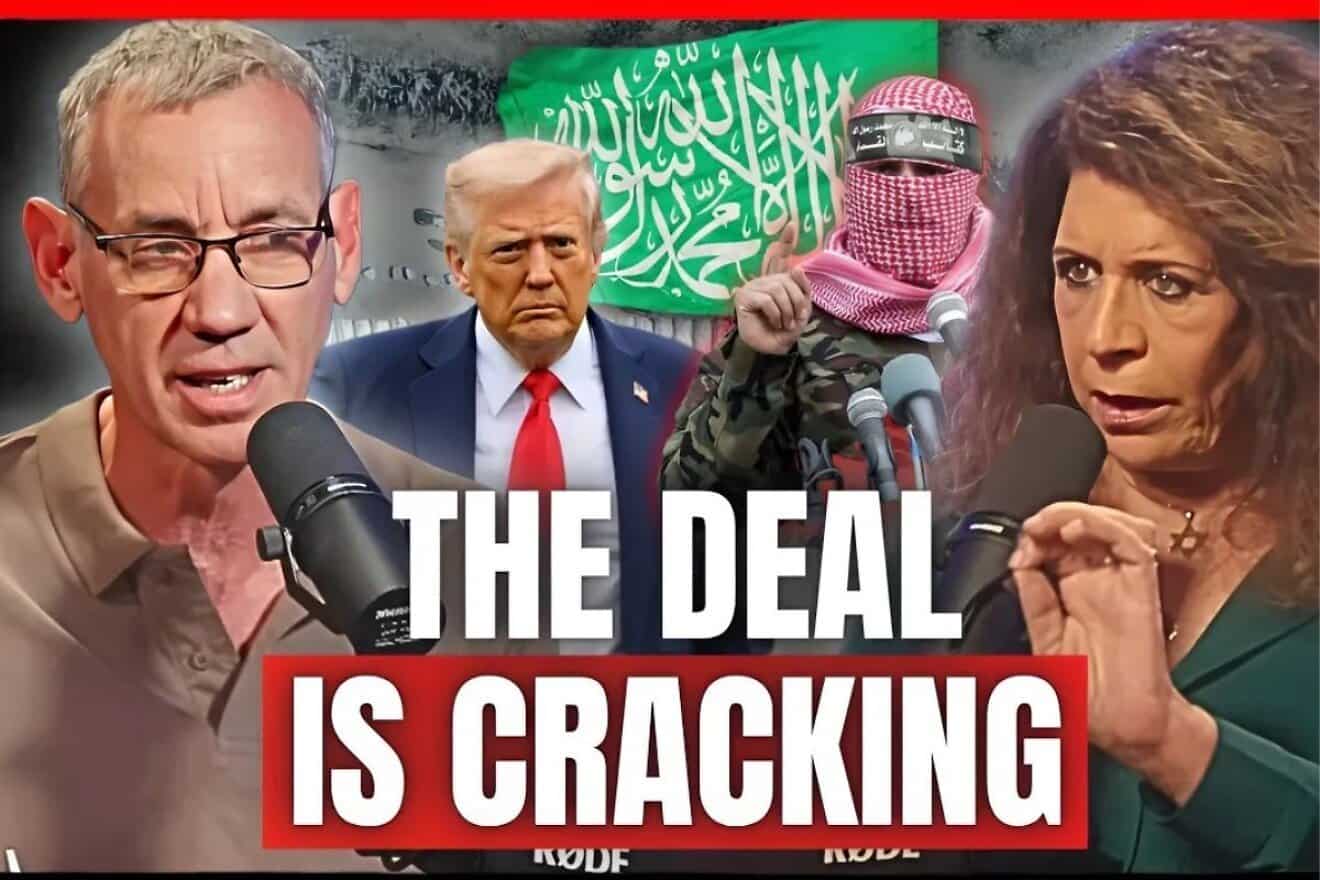
You have probably heard the blunt warning by now. President Donald Trump recently told reporters that if the current ceasefire with Iran expires without a concrete deal, "then lots of bombs start going off." It is a stark, unfiltered summary of where things stand in a conflict that has kept global energy markets and military planners on edge for weeks.
Basically, the ceasefire is set to expire this Wednesday. There is no major breakthrough yet. Tensions are running high. And if you are wondering what happens next, the administration is telling you exactly what they intend to do. They are not looking for an extension. They are looking for a result.
The Reality Of The Current Stand-Off
For the past two weeks, a fragile truce has been in place. It began on April 8, following initial mediation efforts led by Pakistan. The goal was to pause the active combat that started in February—a campaign the White House has framed as "Operation Epic Fury"—and provide a window to negotiate.
That window is closing. Fast.
The President has been clear in his interviews: he is "highly unlikely" to grant an extension. He views the current position of the U.S. as a strong one and has dismissed the idea of being rushed into a bad deal. If Iran does not meet the core demand—the total renunciation of any pursuit of nuclear weapons—the administration is ready to resume active strikes.
Why This Matters For You
If you follow the markets, you know why the Strait of Hormuz is the most critical piece of this puzzle. Roughly one-fifth of the world’s oil supply passes through that narrow chink in the global armor. When the war began, traffic through the strait was effectively throttled.
The administration’s stated objective isn't just about stopping the fighting; it is about guaranteeing that this maritime route remains open and that Iranian capabilities to threaten it—or produce nuclear weapons—are permanently degraded.
You might hear conflicting reports about gas prices. Some officials have suggested that prices might not see relief until later this year. Trump has openly disagreed with that outlook, betting that a swift, successful conclusion to the conflict will cause oil prices to "come roaring down." It is a high-stakes gamble on the success of military and diplomatic pressure.
The Diplomatic Hurdle
A U.S. delegation, led by Vice President JD Vance and envoy Steve Witkoff, is heading to Islamabad. The big question isn't just whether they can reach a deal—it is whether Iran will even show up to the table.
Tehran has consistently pushed back against what it calls "negotiations under the shadow of threats." They have their own list of demands, including the lifting of sanctions and a different framework for regional security. The gap between the two sides remains massive.
In the meantime, incidents continue to flare. Just this past weekend, U.S. forces boarded and seized an Iranian-flagged tanker in the Arabian Sea, claiming it was attempting to violate the naval blockade. It is that kind of friction that makes the cease-fire so thin.
What To Watch In The Next 48 Hours
The timeline is non-negotiable. Washington has set a Wednesday evening deadline.
- Monitor the delegations: If Iranian representatives fail to appear in Islamabad, it is a near-certain sign that hostilities will resume.
- Watch the Strait of Hormuz: Any further disruption to shipping traffic will be the first indicator that the truce has effectively collapsed.
- Listen for formal statements: The President’s rhetoric is designed to keep pressure on Tehran, but look for actual movement from the negotiating team in Pakistan to see if a genuine deal is possible.
You are watching a masterclass in high-pressure diplomacy. The administration is signaling that they believe they have the military advantage, and they aren't willing to trade it for a temporary, indefinite pause that leaves the core issues—nuclear weapons and regional stability—unresolved.
If a deal doesn't materialize by the deadline, don't expect the status quo to hold. Expect the military operations to resume as promised.
Stay focused on the direct negotiations. Anything else is just noise.