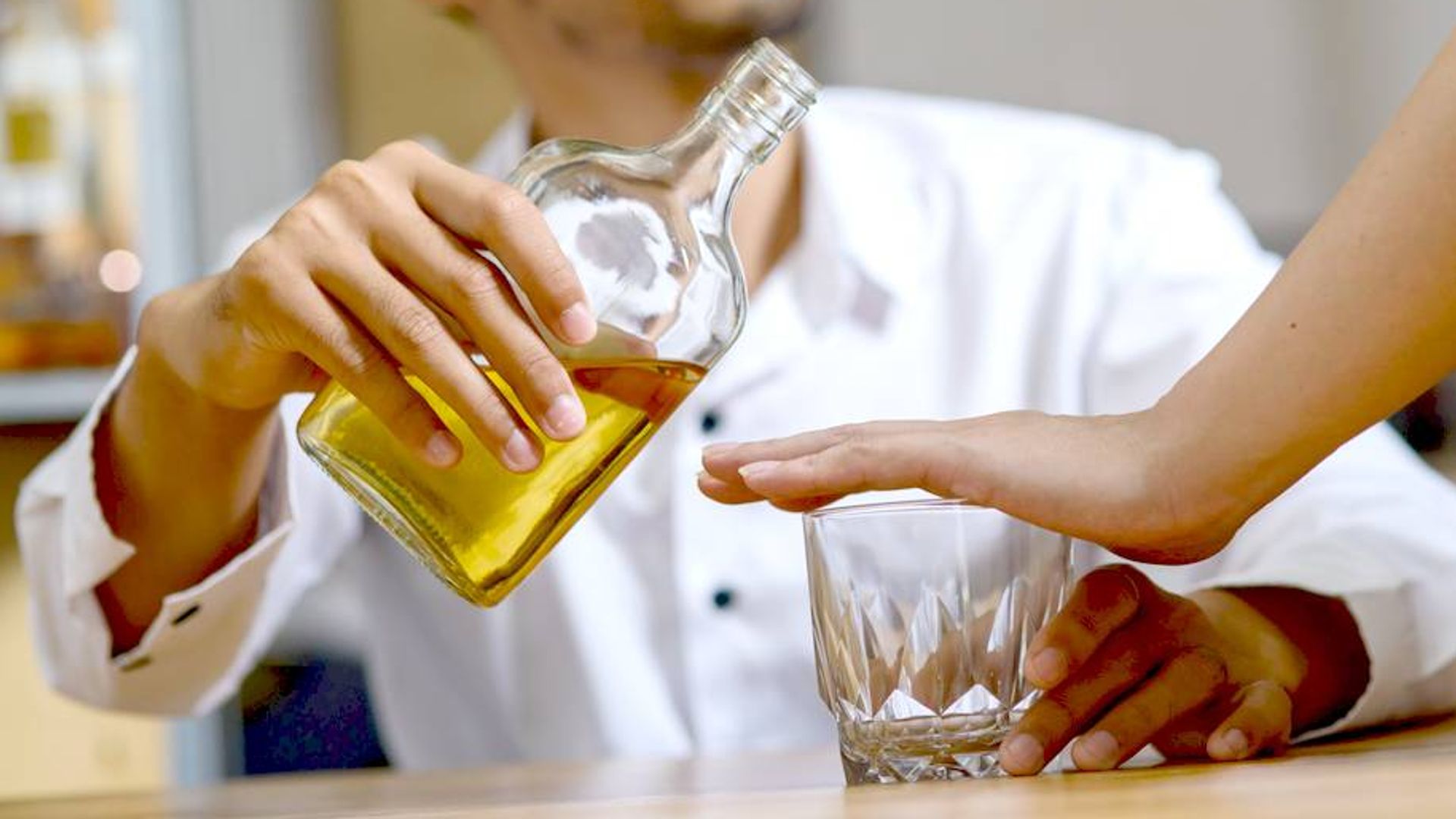
Britain is currently gripped by a narrative of mass temperance. From the explosive growth of alcohol-free "spirits" to the steady decline of the neighborhood pub, the surface data suggests a nation finally putting down the pint glass. But the idea that the UK is ready to go teetotal is a convenient fiction. It is a story told by marketing departments and public health bureaucrats that ignores the gritty reality of how and why we drink. While the younger generation—Gen Z—is certainly drinking less than their parents, the "dry" movement is less a moral awakening and more a product of economic exhaustion and digital surveillance. We aren't becoming a nation of monks. We are becoming a nation that can no longer afford the hangover, either financially or socially.
The Economics of the Empty Glass
The most honest explanation for the rise of the teetotaler isn't found in a wellness blog. It is found in the soaring price of a pint. In London and other major hubs, the cost of a night out has decoupled from average wage growth. When a double gin and tonic pushes past the £15 mark, sobriety becomes a default financial strategy rather than a lifestyle choice.
The industry refers to this as "premiumization." It is a polite way of saying that companies are selling less volume at higher prices to maintain margins. For the consumer, this creates a barrier to entry. If you are a 22-year-old on a starting salary, the traditional "big night out" is an existential threat to your rent money.
Furthermore, the "Low and No" market is a goldmine for retailers. Producing an alcohol-free lager costs significantly less in tax because it bypasses the heavy alcohol duty that funds the Treasury. Yet, these drinks often retail at the same price as their alcoholic counterparts. We are seeing a massive wealth transfer from the social drinker to the beverage conglomerate, rebranded as a health revolution.
The Panopticon of the Pub
Privacy used to be the primary commodity of the British pub. You could disappear into a booth, talk nonsense, and emerge with nothing but a headache. That world is gone. Every social interaction is now subject to the permanent record of the smartphone camera.
For a generation raised with a digital footprint, the risk of "social death" via a viral video far outweighs the pleasure of a messy night. The drive toward sobriety is, in many ways, a defensive crouch. When the world is watching, you cannot afford to lose control. This has fundamentally shifted the "vibe" of British nightlife. We have traded the messy, unpredictable energy of the tavern for the curated, aesthetic-heavy environment of the juice bar and the high-end coffee shop. It is safer, but it is also sterile.
The Health Illusion
The medical community is quick to cheer the decline in liters consumed per capita. They point to the reduction in liver disease markers among specific cohorts. However, this ignores a dangerous displacement effect. When people stop drinking, they don't always start jogging.
In many communities, the vacuum left by alcohol is being filled by other substances that are harder to regulate and more socially isolating. The decline of the pub—a supervised, social environment—has pushed consumption into the home. Solo drinking, fueled by cheap supermarket multipacks, remains a massive issue for the middle-aged demographic. While the media focuses on the "sober curious" youth in East London, the quiet crisis of the "wine o'clock" culture in the suburbs continues unabated.
The Death of the Third Place
The pub has historically served as Britain’s "third place"—a social anchor between work and home. As we move toward a teetotal society, we are dismantling these anchors without replacing them.
The social cost of sobriety is the fragmentation of community. If you don't drink, you are less likely to stay for that extra hour of conversation with a neighbor. You are less likely to meet people outside your immediate bubble. The "dry" venues currently popping up are often exclusive, expensive, and centered around individual wellness rather than collective revelry.
The Hidden Tax on Fun
The UK government relies heavily on alcohol duty. As the nation dries out, the Treasury faces a multi-billion pound black hole. To fill it, we can expect to see higher taxes on other "vices"—sugar, fat, and perhaps eventually, the very non-alcoholic alternatives that are currently being promoted as the solution.
The Inevitable Backlash
History shows that temperance movements usually end in a spectacular return to excess. The current trend toward sobriety is built on a foundation of economic pressure and social anxiety. If the economy improves or if the pendulum of social media culture swings back toward authenticity and "living in the moment," the pint will return.
Britain isn't ready to go teetotal because our social fabric is still woven with the threads of the communal drink. To remove the alcohol without fixing the underlying loneliness and economic stress is to treat a broken leg with a Band-Aid. We are not becoming more virtuous; we are just becoming more tired.
Audit your own social circle. Look past the Instagram posts of green smoothies and look at the quiet, empty spaces where the pubs used to be. The real story of British sobriety isn't about health. It's about a country that has forgotten how to let its hair down because it's too busy checking the bill.
Would you like me to analyze the specific impact of alcohol duty changes on the UK hospitality sector's 2026 forecast?