Fifteen people remain unaccounted for after a massive wall of water tore through the Grand Canyon.
When half an inch to an inch of rain dumps onto sun-baked rock in just thirty minutes, the earth doesn't absorb a drop. It simply funnels straight down. That is precisely what hit Bright Angel Canyon and Phantom Ranch. The flash flood didn't just rise; it exploded down from the North Rim, dropping six thousand feet into the inner gorge and turning dry creek beds into raging killers almost instantly.
If you have ever hiked the inner canyon, you know how fragile those trails are. Here is what you need to know about the current emergency, who is affected, and why desert monsoons turn deadly so fast.
Inside the Bright Angel Creek Disaster
The storm hit on a Saturday afternoon. Hikers enjoying the remote depths of the canyon suddenly found themselves trapped as Bright Angel Creek transformed.
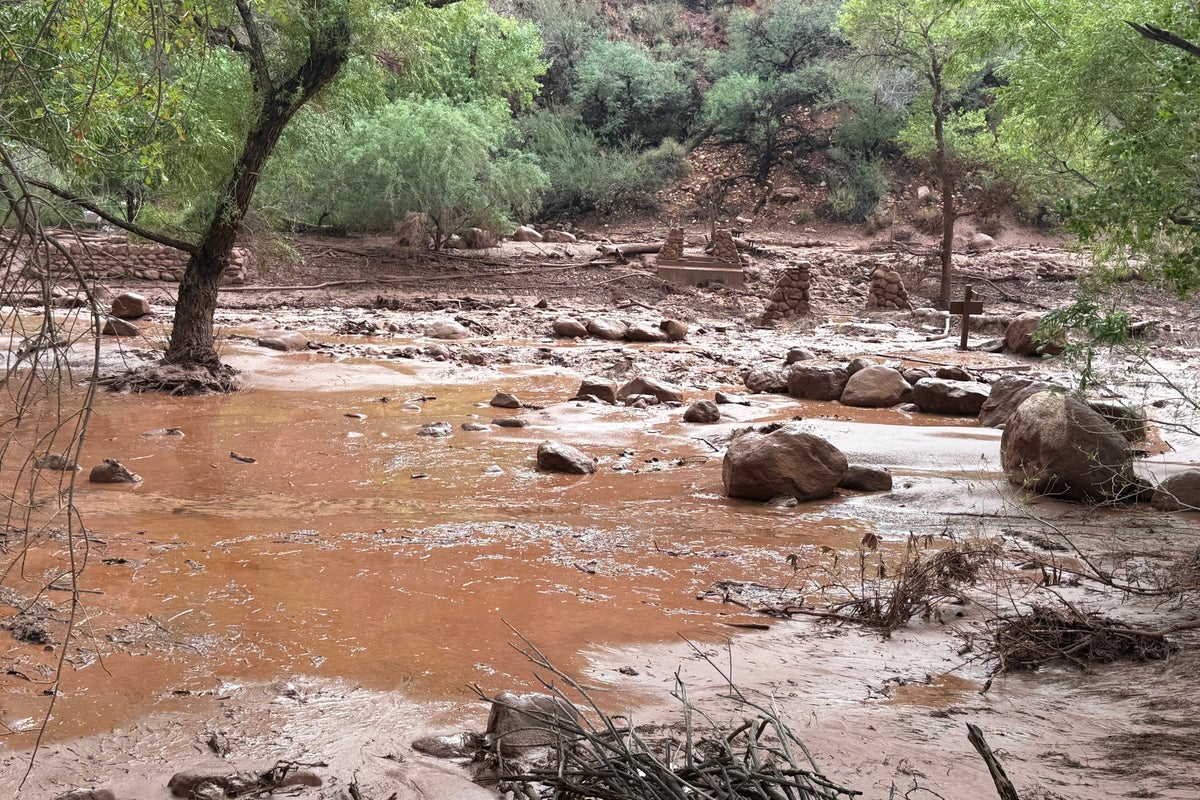
Torrents of water obliterated footbridges, dragged heavy metal structures into the Colorado River, and hurled massive boulders downstream. Over sixty people required emergency helicopter evacuations coordinated by the National Park Service and the Arizona Department of Public Safety. Evacuees described wall-of-water scenarios where a one-meter wall of debris forced them to scramble desperately into patches of cacti just to survive.
The National Park Service launched an active search for roughly fifteen people still missing or unaccounted for in the inner canyon. Authorities are focusing their efforts on anyone who had campground reservations at Bright Angel Campground, hikers traversing the North Kaibab Trail, or travelers stuck in the narrow gorge section known locally as "the Box".
Why Desert Flash Floods Turn Fatal So Fast
Most people assume desert environments mean dry conditions and manageable risks. That is a dangerous misconception. When violent summer thunderstorms drop intense rainfall on steep, rocky elevations with zero vegetation, the soil cannot act as a sponge.
Instead, hydrophobic surfaces create immediate sheet runoff. Water funnels into narrow slot canyons and dry washes, compounding velocity and mass. A creek can go from a gentle trickle to a roaring torrent ten feet high in a matter of minutes. Debris acts as a battering ram, destroying historic infrastructure like the stone bridge pylons and footbridges along Bright Angel Creek.
Jack Schmidt, director of the Center for Colorado River Studies at Utah State University, pointed out that events like this highlight the raw, dynamic power of the canyon landscape. It is an active ecosystem that changes shape overnight.
Current Closures and Emergency Response
Park authorities shut down major inner canyon infrastructure indefinitely. If you have upcoming travel plans to the area, expect major disruptions.
- Phantom Ranch, its canteen, and cabins are closed to all visitors.
- Bright Angel Campground is entirely shut down.
- The entire North Kaibab Trail from the trailhead down to Phantom Ranch is closed.
- Both the Black Bridge and Silver Bridge crossing the Colorado River are restricted.
- River rafting and commercial traffic through this section of the Colorado River remain suspended.
Evacuees arriving at the South Rim are receiving assistance from the American Red Cross at the Maswik Lodge Cafeteria. Meanwhile, meteorologists warn that persistent monsoonal moisture means additional thunderstorms, rockfalls, and sudden debris flows remain a severe threat across northern and central Arizona.
If you have any information regarding hikers or backpackers who were in the Bright Angel Creek corridor during the storm, contact the National Park Service Investigative Services Branch immediately. Check official park updates before planning any backcountry trips in the region until weather patterns stabilize.