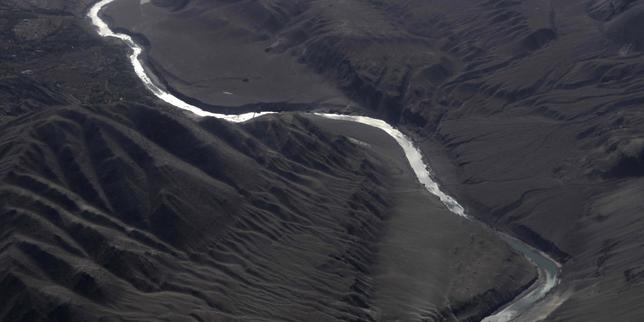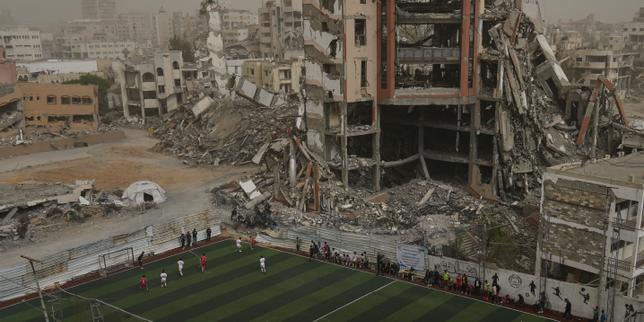
When flash floods tear through mountain villages in places like Nepal and Tibet, the raw numbers shock us momentarily before fading from the news cycle. Hundreds dead, thousands missing, bridges washed out into churning gray slurry. Yet focusing solely on single catastrophic events misses a much larger, quieter crisis unfolding across the planet. Weather disasters force millions of people from their homes every single year, turning entire communities into permanent nomads of the climate era.
If you look at worldwide tracking data from organizations like the Internal Displacement Monitoring Centre, the scale becomes staggering. Floods alone are responsible for tens of millions of displaced individuals annually across dozens of countries. It is not just an isolated Himalayan tragedy or a seasonal monsoon inconvenience in South Asia. It is a relentless, global restructuring of human geography that modern infrastructure is entirely unprepared to handle.
The Anatomy of Weather-Driven Upheaval
When rivers swell and embankments fail, the immediate aftermath is defined by stranded rescue workers, destroyed hydropower plants, and blocked mountain arteries. But the real damage begins after the water recedes. Families return to find their agricultural land buried under layers of sterile silt, or worse, realize their entire village sits in a newly mapped high-risk zone where rebuilding is legally or physically impossible.
Governments frequently treat these crises as temporary emergencies. They set up relief camps, distribute emergency rations, and promise reconstruction funds. Tents turn into makeshift settlements, and temporary camps harden into semi-permanent slums on the outskirts of major urban centers. People lose their livelihoods overnight. A farmer from a remote river valley cannot simply transition into an urban wage laborer without systemic support, which is rarely forthcoming once international television cameras pack up and leave.
Why Current Disaster Responses Keep Failing
Most institutional responses rely on a fundamental design flaw: they treat climate displacement as an anomaly rather than a baseline condition. Relief agencies are built for rapid-response rescue operations, not for managing long-term demographic shifts.
- Reactive Financing: Emergency funds are unlocked only after a disaster strikes, meaning proactive relocation and infrastructural fortification are chronically underfunded.
- Flawed Housing Solutions: Temporary shelters often lack sanitation, clean water, or proximity to job markets, trapping displaced populations in cycles of poverty.
- Data Gaps: Official counts routinely miss informal settlements and secondary migrations, underreporting the true number of people who drift from rural disaster zones into urban precarity.
Moving past this reactive loop requires treating displaced populations as economic contributors rather than passive victims. Land-use planning must factor in shifting hydrological maps, keeping people out of floodplains before the next wet season arrives. Until local and national authorities build resilience directly into urban planning and rural zoning, those millions of displaced citizens will simply keep multiplying with every heavy downpour.