Two in the morning on a desert road outside Basra. The air smells like sulfur, unburned diesel, and dust that never quite settles.
In the cab of a battered eighteen-wheeler, a driver—let’s call him Tariq, a hypothetical composite of hundreds of men who run these routes every night—taps his fingers against a cracked steering wheel. Behind him sits thirty thousand liters of heavy fuel oil. On paper, this truck does not exist. The refinery gate log was altered before he ever pulled onto the asphalt. At the checkpoint three miles ahead, a man holding an assault rifle will glance at a laminated card tucked behind Tariq’s sun visor, nod once, and wave him through into the dark toward the Iranian border or a waiting barge in the Shatt al-Arab waterway.
Multiply Tariq by a thousand. Do it every night for twenty years.
That is how you fund a shadow state.
When Western analysts talk about the crackdown on oil smuggling in Iraq, they tend to speak in the sterile vocabulary of maritime tracking data, barrel-per-day estimates, and diplomatic leverage. They ask a tidy, clinical question: Can Baghdad starve its armed militias of illicit oil revenue without triggering a civil war?
It sounds like a policy puzzle. In reality, it is a high-wire act over an open flame.
The Architecture of an Invisible Economy
To understand why a tanker truck on a backroad in southern Iraq carries the weight of regional stability, you first have to understand how power actually works in Baghdad.
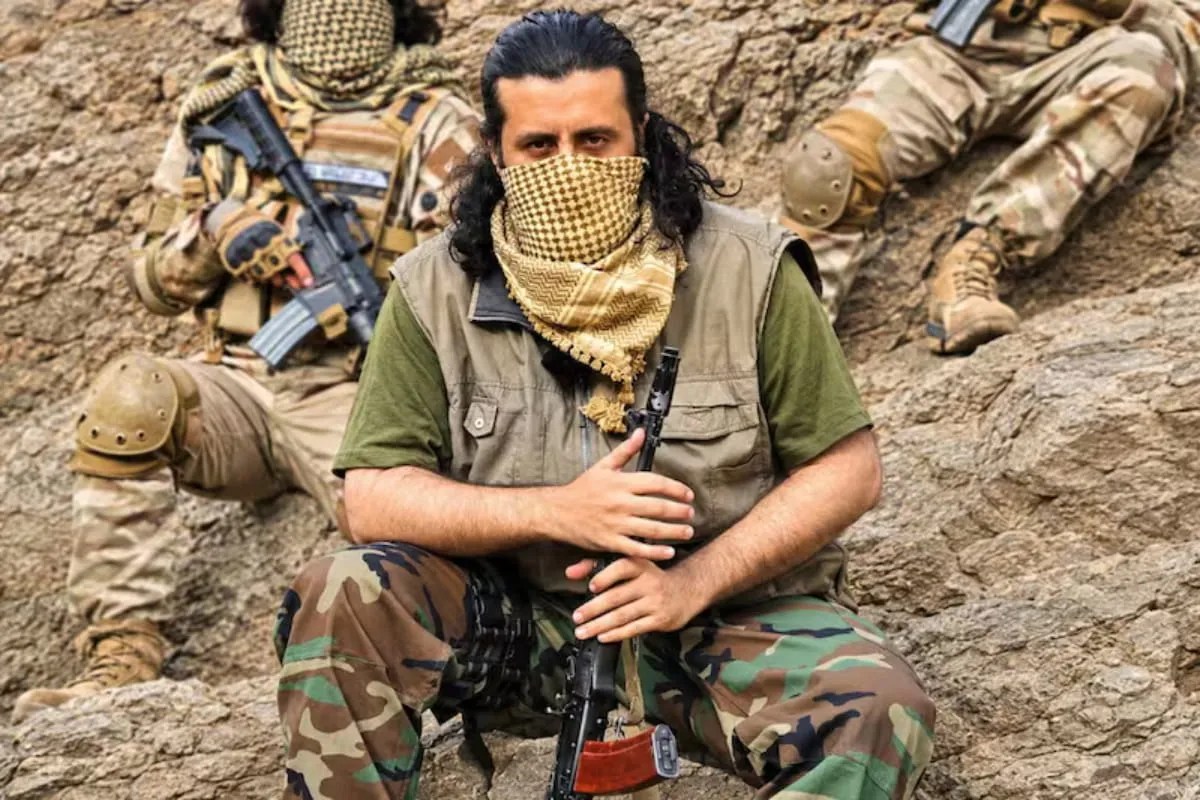
After the 2003 invasion shattered the Iraqi state, a vacuum opened up. Into that space stepped armed factions, many of them backed by Tehran, organized under the umbrella of the Popular Mobilization Forces (PMF). During the war against ISIS, these fighters bled to save the country. When the gunfire stopped, they did not go home. Instead, they moved into the ministries, the border crossings, the ports, and the oil fields.
Think of the Iraqi state not as a single organism, but as a host body carrying a parallel nervous system. Both share the same bloodstream—crude oil, which accounts for roughly ninety percent of Iraq’s government revenue.
While the official Ministry of Oil pumps millions of barrels a day through legitimate pipelines to pay teachers, pave roads, and keep the lights on in Baghdad, a vast, subterranean network siphons off the margins. Sometimes it is crude tapped directly from aging pipelines in Kirkuk or Basra. More often, it is refined fuel oil subsidized by the Iraqi government to keep domestic power plants running and factories alive.
Smugglers buy that subsidized fuel for pennies on the dollar, blend it with crude to disguise its chemical signature, forge manifests to pass it off as legitimate Iraqi export blends, and sell it on the international market at full price. By the time the U.S. Treasury and Iraqi investigators began tightening the net in 2024 and 2025, estimates suggested that at least a billion dollars a year—and likely much more—was disappearing into this shadow ledger.
That money buys loyalty. It pays the salaries of fighters who answer to factional commanders rather than the Prime Minister. It funds drone workshops, political campaigns, and media networks.
When Prime Minister Mohammed Shia al-Sudani’s government began intercepting tankers, freezing bank accounts, and slapping sanctions on smuggling networks under intense pressure from Washington, they were not just enforcing customs law. They were reaching for the jugular of men who have spent two decades convincing themselves they are untouchable.
The Sound of a Check Bouncing
Have you ever watched a room go quiet when someone realizes the money is gone?
I remember sitting in a café in Baghdad’s Karrada district a few years back, listening to a mid-level contractor complain about delayed state payments. Across the table sat a man with a close-cropped beard, heavy gold ring, and the unmistakable posture of someone tied to one of the major armed factions. The contractor was sweating. The militia guy wasn't. He smiled, tapped his phone, and said, "The state is slow. We are fast."
That confidence was built on diesel.
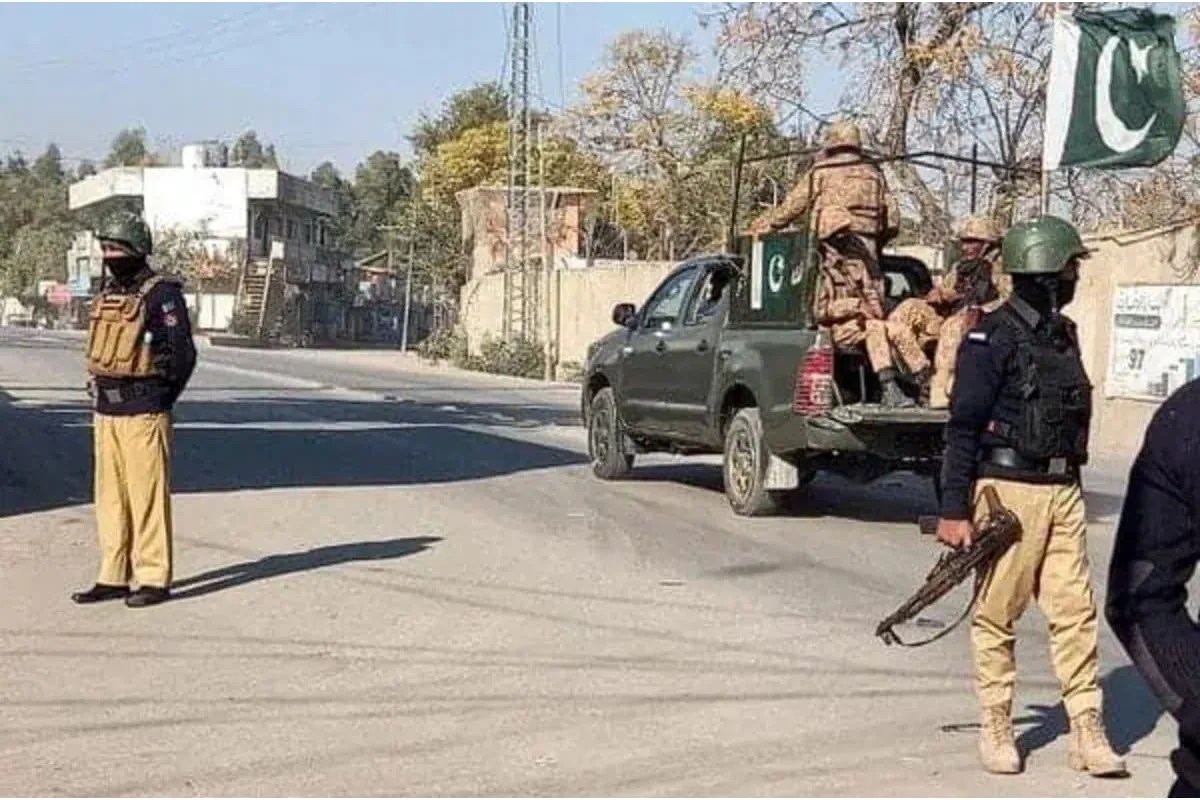
Now, picture what happens when that pipeline clogs. Over the past year, joint operations between Iraq’s National Security Service, elite counter-terrorism units, and maritime patrols have seized dozens of vessels in the Persian Gulf and arrested hundreds of drivers and middlemen. Under threat of losing access to the U.S. dollar—the oxygen of Iraq’s banking system—Baghdad has been forced to prove to the U.S. Treasury that its oil exports are clean.
Suddenly, the laminated card behind Tariq’s visor stops working at every checkpoint.
Consider the ripple effect of a single disrupted smuggling ring. First, the mid-level brokers panic. They have already taken advances from buyers in the Gulf who expect their shipments to arrive on schedule. Next, the local commanders feel the squeeze. A militia brigade is an expensive machine; without off-the-books cash, commanders have to either dip into reserves or force fighters onto official state payrolls, where every dinar can be traced, audited, and—eventually—withheld.
This is the quiet brilliance of targeting the wallet rather than the rifle.
If the Iraqi military sends tanks into a militia stronghold in Basra or Diyala, the militias win the narrative. They wrap themselves in the flag of resistance, rally their street fighters, and turn neighborhoods into meat grinders. Baghdad burns, oil exports halt, and global energy prices spike. Nobody in Washington or Baghdad wants that fire.
So instead of kicking down the front door, the state is slowly turning off the water.
The Ghosts in the Gulf
To see how sophisticated this shadow trade became, look at the water just south of the Al-Faw peninsula.
For years, small coastal vessels—rust-streaked tankers with their Automatic Identification System (AIS) transponders switched off—would slip out of Iraqi ports under cover of darkness. Out in the shallow, murky waters of the northern Gulf, they would sidle up to larger "dark fleet" ships. Through heavy rubber hoses draped over the gunwales, millions of barrels of Iraqi fuel oil were blended with Iranian crude.
Once mixed, the oil became chemically ambiguous. Falsified bills of lading transformed the cargo into "Iraqi origin" fuel, allowing sanctioned Iranian oil and militia-stolen Iraqi oil to wash cleanly into refineries across Asia.
It was an elegant, lucrative crime. Everyone got a cut. Port officials looked away for a percentage. Coast guard commanders bought villas in Amman. Militia financiers moved millions through currency exchange houses in Baghdad and Erbil, converting dirty oil profits into crisp U.S. dollars wired out of Iraq’s central bank auctions.
Breaking that cycle required more than police raids; it required rewriting the plumbing of Iraqi finance.
When the Federal Reserve Bank of New York and the U.S. Treasury tightened scrutiny on Iraqi wire transfers, the shockwave hit Baghdad like a sandstorm. The Iraqi dinar tumbled. Street protests erupted over rising food prices. Ordinary Iraqis—people who had never seen a drop of smuggled oil—paid the immediate price in the markets while the oligarchs scrambled to protect their vaults.
I will admit something that most policy papers gloss over: watching that economic squeeze unfold was terrifying. You could feel the fragility of the country in the air. Every shopkeeper in Baghdad was watching the exchange rate on their phone like a heart monitor. If the pressure pushed too hard, too fast, the desperation on the street could easily be hijacked by the very militias Washington was trying to bankrupt.
The Trap of the Golden Handcuffs
Here is the paradox at the heart of Iraq’s dilemma, and it is the reason no one in Baghdad sleeps easily.
Can you really disarm a man by taking away his black-market income if he still holds a seat in parliament and a rifle in his closet?
Let’s look at the mechanics of co-optation. Over the last decade, Iraq’s armed factions didn't just steal from the state; they became part of the state. The Popular Mobilization Forces receive billions of dollars annually from the official Iraqi federal budget. Their political wings hold cabinet ministries, governorships, and parliamentary committees.
When Baghdad cracks down on oil smuggling, the big fish rarely go to jail. Usually, a few truck drivers, low-level port clerks, and expendable brokers take the fall. Meanwhile, the political bosses pivot. Denied their illicit oil revenues, they simply lean harder on legitimate state contracts—awarding themselves bloated construction tenders, telecom licenses, and import monopolies.
Imagine a man who has spent twenty years robbing a bank every Tuesday night. One day, the bank installs vault doors he cannot crack. Instead of giving up crime, he walks in through the front door on Wednesday morning, buys a controlling share of the bank’s stock, and votes himself a massive executive bonus.
That is the real danger.
If the crackdown merely forces militias out of the smuggling business and deeper into the legitimate state budget, have you actually disarmed them? Or have you just laundered their power?
Three Ways the Wire Breaks
As Baghdad tightens the screws on illicit oil, the country is walking a razor’s edge between three distinct futures. None of them are simple.
The First Path: The Slow Starvation.
In this scenario, international pressure holds steady. GPS tracking on every fuel tanker, strict chemical fingerprinting of exported crude, and rigorous audits of Iraqi banks gradually choke off the shadow economy. Without independent cash flow, the militias lose their ability to operate outside the chain of command. Over five to ten years, fighters age out, commanders become pure businessmen obsessed with protecting their real estate portfolios in Baghdad and Beirut, and the guns gather dust. It is messy, corrupt, and deeply unsatisfying to anyone looking for courtroom justice—but it avoids a war.
The Second Path: The Cornered Animal.
Every faction has a breaking point. If the crackdown begins threatening the personal wealth and survival of top commanders—or if regional escalations push Tehran to demand its Iraqi allies open a new front—the quiet war turns loud. A few well-placed rockets near Basra’s export terminals, or a sudden blockade of the highways leading to Jordan, could remind Baghdad in twenty-four hours who still holds the matchstick over Iraq’s economy.
The Third Path: The Illusion of Victory.
This is the outcome that keeps honest Iraqi reformers awake at night. Baghdad declares the smuggling rings dismantled. Washington applauds the drop in illicit maritime transfers. Meanwhile, the exact same networks quietly siphon the exact same billions through inflated ministry contracts, ghost employees, and customs fraud at dry land borders. The tankers stop rolling at midnight, only because the thieves no longer need to hide in the dark.
What Survives the Smoke
Go back to that desert road outside Basra.
It is five in the morning now. The sky is turning the color of a bruised plum. Tariq’s truck is parked behind a concrete blast wall at an impound lot guarded by federal police. The engine is ticking as it cools. Tariq himself is sitting on an overturned plastic crate, smoking a cheap cigarette, wondering who is going to feed his four children if his brother-in-law doesn't scrape together enough cash to bribe a judge by Thursday.
Tariq doesn't care about U.S. Treasury sanctions. He doesn't care about geopolitical leverage or Tehran’s regional axis. He drove the truck because the men with the laminated cards paid twice what a legitimate trucking company could offer, and in a country where summer temperatures hit fifty degrees Celsius and the state electricity still cuts out six hours a day, a man takes the money in front of him.
That is the invisible truth behind every headline about Iraq’s oil crackdown.
You cannot disarm a militia simply by seizing its tankers. You only disarm them when the state becomes stronger, fairer, and more reliable than the shadow that grew inside it. Until the money saved from those ghost tankers turns into clean water in Basra, reliable power in Baghdad, and a paycheck Tariq can count on without a rifleman waving him through the dark, the desert roads will never truly stay empty.
For now, the checkpoints are tighter, the coast guard patrols are running with their lights off, and the men in the shadows are counting what is left in their vaults—waiting to see whether Baghdad has the nerve to keep turning the valve.