The Kremlin’s positioning as a diplomatic intermediary between Iran and the Gulf monarchies—specifically regarding threats to critical oil infrastructure—is not a gesture of regional goodwill, but a calculated exercise in Strategic Energy Arbitrage. By acting as the primary conduit for de-escalation, Vladimir Putin seeks to monopolize the "security premium" of global oil prices. The objective is to stabilize the global energy market just enough to prevent a systemic collapse while maintaining a high enough geopolitical risk profile to sustain Russian export revenues.
This mediation strategy rests on three operational pillars: Asymmetric Influence over Tehran, The Diversification of Gulf Security Dependencies, and The Preservation of the OPEC+ Price Floor.
The Architecture of Regional Vulnerability
The threat to Gulf oil facilities is a functional component of Iranian "Forward Defense" doctrine. For states like Saudi Arabia and the United Arab Emirates, the vulnerability of Abqaiq or the Fujairah bunkering hubs represents a non-linear risk; a single drone strike can decapitate significant portions of global spare capacity.
Russia’s intervention targets this specific structural weakness. Unlike the United States, which provides a hardware-based security guarantee (missile defense, naval presence), Russia offers a Diplomatic Off-ramp. Moscow’s value proposition to Riyadh and Abu Dhabi is the ability to communicate directly with the Islamic Revolutionary Guard Corps (IRGC) hierarchy—a channel that Western powers lack.
The Cost Function of Iranian Hostility
For Iran, the calculus of attacking oil facilities involves weighing the benefits of regional leverage against the costs of total international isolation. Russia mitigates this cost for Iran by providing a "Great Power" shield in the UN Security Council. This creates a circular dependency:
- Iran utilizes the threat of regional disruption to gain leverage.
- The Gulf States, fearing the economic fallout of such disruption, turn to Moscow to restrain Tehran.
- Russia uses this reliance to extract concessions from both sides—securing investment from the Gulf while maintaining Iran as a strategic proxy against Western interests.
Russia’s Security-for-Investment Swap
The Kremlin’s "concerns" expressed to Iran are a form of diplomatic currency. By conveying the specific anxieties of Gulf leaders, Putin is effectively benchmarking the price of regional stability. This creates a Security-for-Investment Swap where Russian mediation is traded for:
- Sovereign Wealth Fund (SWF) Inflows: Direct investment from entities like the Public Investment Fund (PIF) into Russian infrastructure.
- Technological Bypassing: Utilizing Gulf financial hubs to circumvent Western sanctions on high-tech dual-use components.
- Agricultural Dominance: Strengthening the grain-for-energy corridor between the Black Sea and the Arabian Peninsula.
The mechanism of this swap is purely transactional. If Russia fails to restrain Iranian proxies, its value to the Gulf evaporates. If Russia restrains Iran too effectively, the "security premium" vanishes, and oil prices may soften, hurting the Russian budget. Therefore, Russia must maintain a state of Managed Friction.
The OPEC+ Feedback Loop
The relationship between Moscow and Riyadh is currently the most significant variable in global energy markets. The OPEC+ alliance functions on the premise of collective production discipline. However, physical security of supply is the invisible floor beneath these production quotas.
Quantification of the Security Premium
In a vacuum, oil prices are dictated by supply-demand fundamentals. In the current geopolitical environment, a Geopolitical Risk Multiplier of $5–$15 per barrel is often priced in. If Russia successfully mediates between Iran and the Gulf, it controls the dial on this multiplier.
- Scenario A: High Tension: Russia allows rumors of Iranian escalation to persist, driving prices up through fear, benefiting the Ruble.
- Scenario B: Managed De-escalation: Russia steps in as the "savior," preventing a war that would destroy the very infrastructure required to export oil, thus preserving the long-term viability of the OPEC+ mechanism.
The Kremlin’s preference is always Scenario B, as a total regional war in the Middle East would likely lead to a massive U.S. military surge, displacing Russian influence entirely.
Strategic Bottlenecks in the Mediation Model
The Russian strategy faces two primary failure points: Proxy Autonomy and American Re-engagement.
- Proxy Autonomy: The assumption that Tehran has absolute control over its regional proxies—such as the Houthis or various militias in Iraq—is flawed. Local actors often pursue tactical objectives that contradict the grand strategy of their patrons. If an unauthorized strike occurs on a Saudi facility while Putin is actively "mediating," the Russian "Security Broker" brand suffers immediate devaluation.
- American Re-engagement: Should the United States provide a more robust, kinetic guarantee to protect Gulf infrastructure (e.g., advanced directed-energy weapons or a formal defense treaty), the Gulf’s need for Russian backchannel diplomacy diminishes.
Structural Realignment of the Middle Eastern Order
Moscow is leveraging the perceived "U.S. Pivot to Asia" to establish a new security architecture. In this model, Russia does not replace the U.S. as a military hegemon but acts as a Multipolar Balancer. By conveying the Gulf’s concerns to Iran, Putin is signaling that the era of Western-led security blocks is ending, replaced by a fluid system of transactional bilateralism.
This realignment forces Gulf states to hedge their bets. They cannot afford to alienate Washington, yet they cannot ignore the reality that Moscow sits at the table with their primary antagonist. This dual-track policy results in a fragmented security landscape where information, rather than ammunition, becomes the primary tool of deterrence.
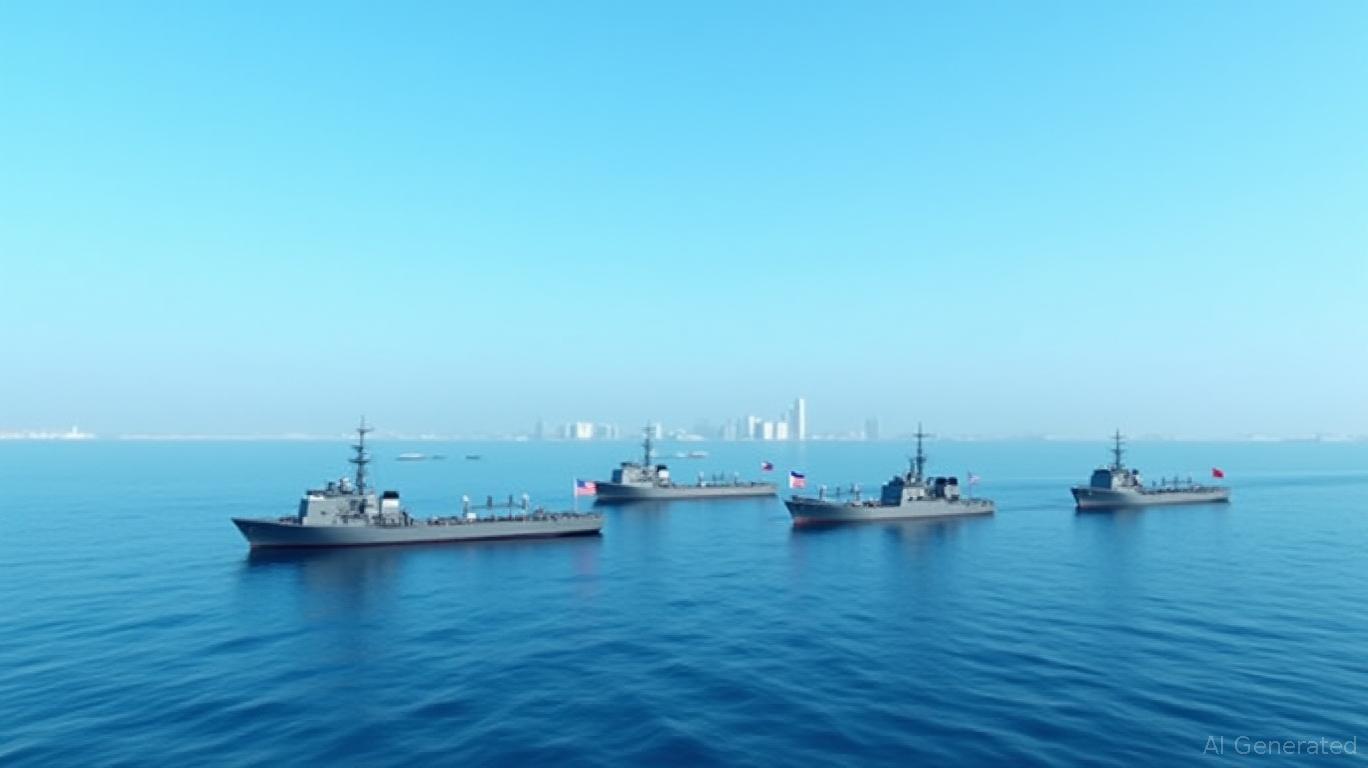
The tactical move for global energy analysts is to monitor the frequency of "consultations" between the Russian Ministry of Defense and the Iranian Supreme National Security Council. These meetings are the leading indicators of whether the "Security Premium" will be dialled up or down in the coming quarter. Watch for the movement of Russian naval assets in the Caspian and Mediterranean as secondary signals of the Kremlin's willingness to enforce its mediation.
The ultimate play is the institutionalization of this mediation through a "Persian Gulf Security Concept"—a Russian-led framework that would formally sideline Western influence by making regional stability contingent on Moscow’s approval.
The strategic play for the Gulf is to utilize Russian mediation as a temporary bridge while aggressively diversifying their domestic defense capabilities. For Russia, the move is to maintain the "Managed Friction" model for as long as the Ukraine conflict necessitates high energy prices and alternative financial channels. Expect a series of highly publicized diplomatic summits that yield no formal treaties but serve to reinforce the perception of Russia as the indispensable arbiter of the world's most critical energy corridor.
Would you like me to analyze the specific impact of Russian-Iranian military-technical cooperation on Saudi Arabia's long-term defense procurement strategy?