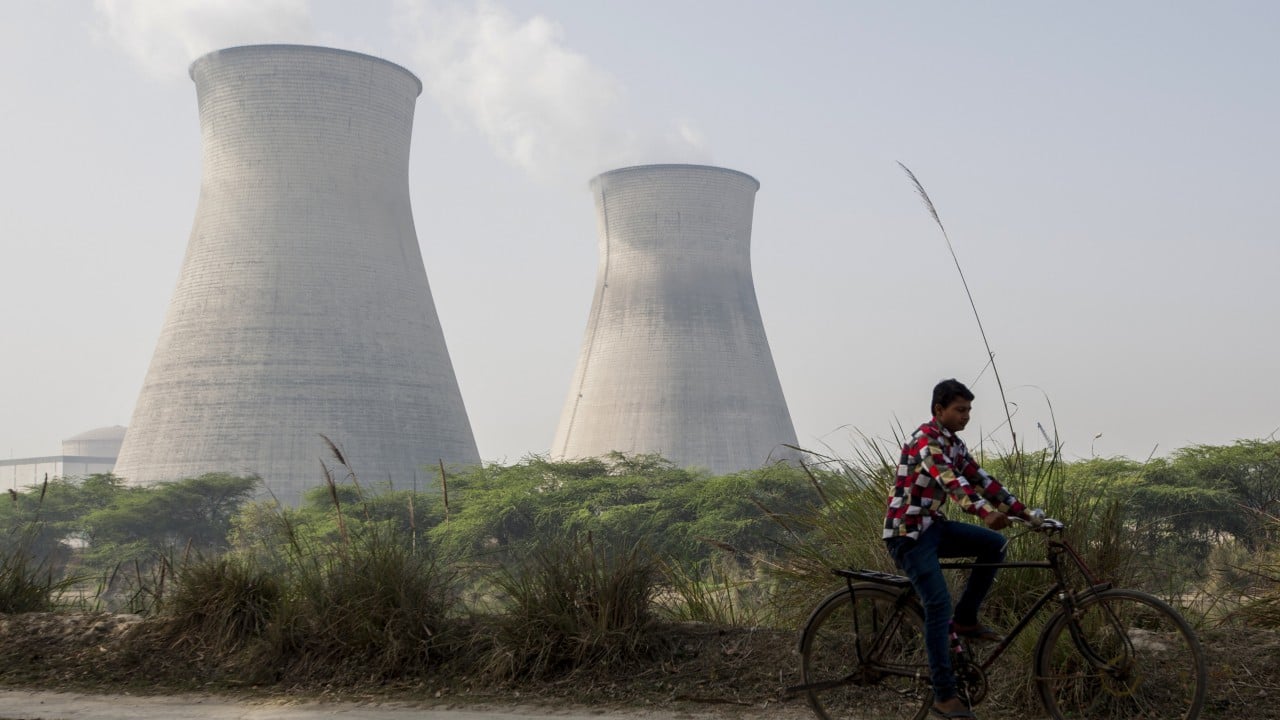
The digital backbone of the Middle East is currently fractured. Following targeted kinetic strikes on critical infrastructure in the region, Amazon Web Services (AWS) has seen a significant degradation of its regional availability zones. This is not a simple software glitch or a routine fiber cut. It is a stark reminder that the "cloud" is actually a collection of very physical, very vulnerable concrete buildings packed with silicon and copper. For businesses relying on the me-central-1 region, the outage has shifted from a technical annoyance to a fundamental threat to operational survival.
The immediate impact is visible in the flickering dashboards of logistics firms, fintech startups, and government portals across the Gulf. While Amazon typically maintains a high degree of redundancy, the physical destruction of interconnects and power distribution nodes near its data centers has created a bottleneck that software failovers cannot bypass. When the physical layer of the OSI model is compromised by explosives, the higher-level logic of load balancing becomes moot.
The Myth of Regional Resilience
For years, cloud providers have sold the Middle East on the idea of regional resilience. The pitch is simple: move your data to our local centers to satisfy data sovereignty laws and enjoy low latency. What the marketing brochures omit is the reality of geographic concentration. In an effort to minimize latency, these massive data centers are often clustered near existing industrial hubs or urban centers that are themselves primary targets during regional escalations.
The current crisis proves that redundancy is a relative term. If you have three availability zones but they all rely on a shared power grid or a localized network of subsea cable landings, a single well-placed strike creates a cascading failure. This is exactly what we are seeing now. The damage to cooling infrastructure and backup power reserves at key sites has forced a manual shutdown of high-density server racks to prevent permanent hardware loss.
The Silicon Shield Has Cracked
There was a long-held belief in tech circles that global infrastructure was too valuable to hit. This "Silicon Shield" theory suggested that because the world’s financial and logistics data flowed through these hubs, they would be spared from kinetic conflict. That theory is dead. In the current geopolitical environment, the cloud is no longer a neutral utility; it is a high-value target.
By disabling a primary AWS node, an actor can effectively blind a neighbor's logistics network without firing a shot at a military convoy. The economic fallout is immediate. When the cloud goes dark, the following systems fail:
- Just-in-time supply chains stop moving because the databases tracking inventory are unreachable.
- Digital payment gateways collapse, forcing a cash-only economy in regions that have spent a decade trying to go cashless.
- Internal government communications that have been migrated to "secure" cloud instances become inaccessible, paralyzing the civil response to the very strikes causing the outage.
The Architecture of Failure
To understand why this hit Amazon so hard, you have to look at the physical layout of their regional presence. AWS designs its regions with multiple Availability Zones (AZs). Each AZ is composed of one or more discrete data centers. They are supposed to be far enough apart to avoid a single disaster but close enough to maintain single-digit millisecond latency.
In the Middle East, "far enough apart" is a difficult metric to satisfy when dealing with modern long-range munitions. If the primary fiber paths connecting these zones run through a single geographic corridor—which they often do to save on trenching costs—the entire region becomes a house of cards.
Investigations into the current downtime suggest that the strike didn't necessarily have to hit the server room itself. By targeting the high-voltage substations and the chilled water loops that keep the servers from melting, an adversary can take a data center offline just as effectively as if they had dropped a bomb on the roof. Without cooling, a modern server rack will hit critical thermal limits and shut down within minutes.
The Invisible Supply Chain
We are also seeing the failure of the "invisible" supply chain. Amazon relies on third-party contractors for diesel delivery for their backup generators and for the maintenance of their cooling towers. When the surrounding infrastructure is under fire, those trucks don't move. The "five nines" of uptime (99.999%) promised in Service Level Agreements (SLAs) assume a world where the roads are open and the power grid is stable.
The current reality is that many companies are finding their "High Availability" configurations were only high-availability on paper. They failed to account for a scenario where the physical environment itself becomes hostile.
The Reckoning for Digital Sovereignty
Many Middle Eastern nations have pushed "Cloud First" policies, mandating that sensitive data stay within national borders. This was intended to protect data from foreign prying eyes. However, it has inadvertently created a "kill switch" for the nation's digital economy. By centralizing all critical data into a few localized AWS or Microsoft hubs, these countries have created a single point of failure.
If a country's entire banking sector is hosted in a single regional cloud zone, that zone becomes the most important strategic asset in the country. The current damage to Amazon's facilities has exposed the danger of this extreme centralization. It is a hard lesson in the difference between data residency and data durability.
Why Multi-Cloud is No Longer Optional
The smart money is now moving toward aggressive multi-cloud and multi-region strategies, even if it means higher costs and increased latency. Relying on a single provider in a volatile region is no longer a defensible business strategy.
A truly resilient architecture in this environment requires:
- Asynchronous replication to a completely different geographic theater (e.g., moving data from the Middle East to Europe or Asia in real-time).
- Provider diversity, ensuring that a failure at AWS doesn't also take down your backups at Azure or Google Cloud.
- On-premise "warm" backups for mission-critical core services that can run even if the international fiber links are severed.
The Logistics of Repair in a War Zone
The most pressing question for AWS customers right now is: "When will it be back up?" The answer is complicated by the nature of the damage. Replacing a scorched server rack is easy; rebuilding a specialized cooling plant or repairing miles of armored fiber-optic cable in a contested area is a months-long endeavor.
Amazon is notoriously secretive about its data center operations, but sources on the ground indicate that specialized repair teams are currently being held back by security protocols. You cannot send a fiber technician into a site that is still being cleared for unexploded ordnance. Furthermore, the global semiconductor shortage—while improved—still means that specialized networking hardware like high-capacity switches and routers have lead times that don't mesh with the urgency of a regional blackout.
The Liability Shift
Expect a massive wave of litigation following this event. Most AWS contracts include "Force Majeure" clauses that protect the provider in the event of "acts of war." However, the definition of an act of war is getting blurry. If a data center is collateral damage in a localized strike, does that trigger the clause?
Corporate legal teams are already combing through their SLAs to see if they can claw back the massive revenue losses incurred during this downtime. The result will likely be a fundamental shift in how cloud insurance is written and priced.
The Physicality of the Digital World
This event marks the end of the "abstracted" era of computing. For the last decade, we have been told that the location of our servers doesn't matter, that the cloud is an ethereal, omnipresent force. That illusion has been shattered. The cloud is a building. It needs water, it needs power, and it needs a peaceful environment to function.
As long as kinetic conflicts continue to target the physical infrastructure that houses our digital lives, the Middle East will remain a high-risk zone for any company that puts all its eggs in a single regional basket. The cost of doing business in the region just went up, and it’s not because of taxes or labor; it’s because the price of digital stability has been reset by the reality of the theater.
Audit your current failover protocols and verify if your "redundant" systems share the same physical power grid or fiber path.