Standard crisis journalism follows a predictable, exhausting script. A pathogen emerges. Brave local volunteers step up. Tragic casualties follow. The media canonizes the fallen, the public laments the loss, and the international community cuts a check to fund the exact same operational model for the next crisis.
This emotional loop avoids the cold truth. The predictable death of three Red Cross volunteers at the onset of an Ebola outbreak is not an unavoidable tragedy of humanitarian warfare. It is a structural failure. It is the direct consequence of an outdated, sentimental aid model that prioritizes local visibility over rigid biosecurity and deployment mechanics.
For decades, international NGOs have operated under the dogmatic belief that flooding the frontline with quickly trained local volunteers is the most ethical, effective way to combat hemorrhagic fevers. It is cheap. It wins local trust. It makes for compelling fundraising copy. It also gets people killed.
When dealing with a pathogen featuring a high fatality rate, goodwill is a liability. By treating community engagement and clinical biosecurity as interchangeable skills, global health organizations continue to repeat the operational errors that turned the 2014–2016 West African outbreak and subsequent DRC epidemics into prolonged catastrophes.
The Myth of the Quickly Trained Local First Responder
The prevailing consensus in global health suggests that local community members can be rapidly upskilled to handle high-risk tasks like safe and dignified burials (SDBs) or contact tracing. This premise is fundamentally flawed.
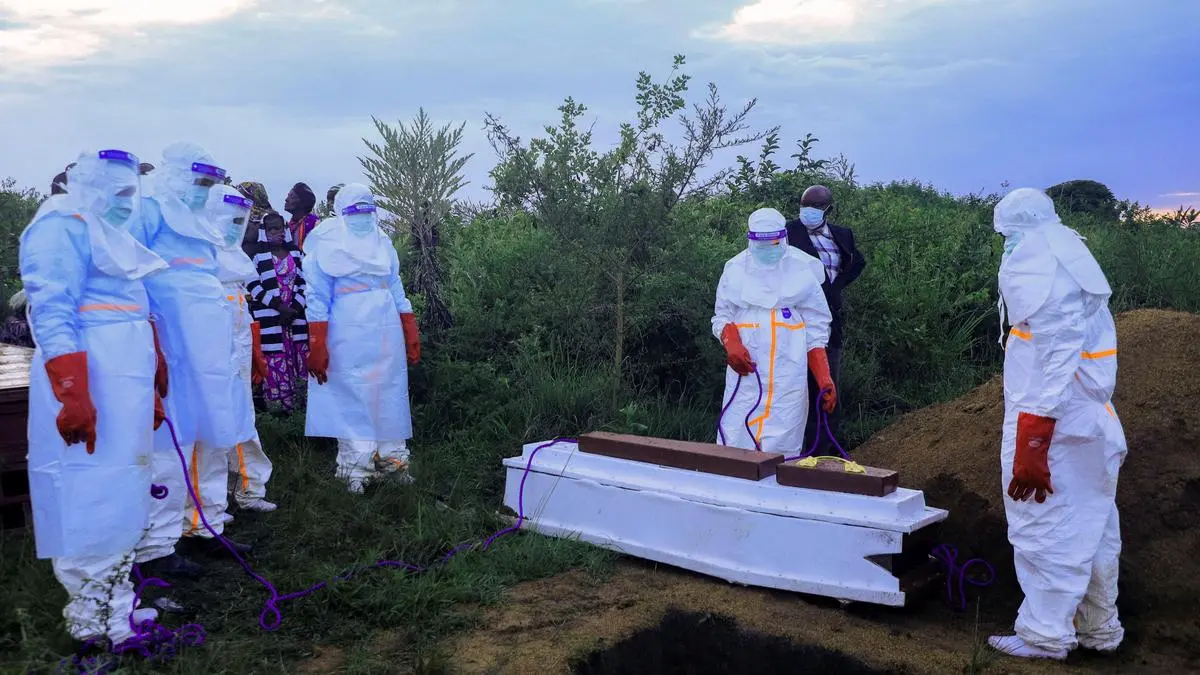
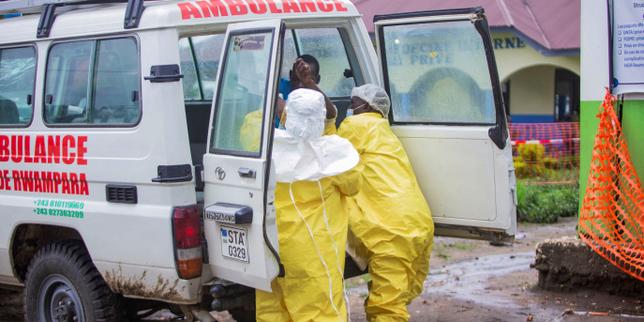
Hemorrhagic fevers do not forgive minor protocol infractions. Achieving competency in donning and doffing Personal Protective Equipment (PPE) in a high-heat, high-stress environment requires rigorous, repetitive drilling. It demands an understanding of cross-contamination that goes against basic human reflexes.
Imagine a scenario where a volunteer spends six hours in a suffocating suit, navigating mud, grieving family members, and physical exhaustion. The moment they accidentally touch their brow to wipe away sweat during the doffing sequence, the intervention has failed.
The World Health Organization (WHO) and the Centers for Disease Control and Prevention (CDC) have published exhaustive guidelines on infection prevention and control. Yet, the transmission data from past outbreaks shows a recurring pattern: local volunteers bear a disproportionate burden of infection during the earliest phases of a deployment. Why? Because short-term workshops cannot replicate the deep muscle memory of professional bio-containment specialists.
By relying on volunteers for the most hazardous touchpoints of an outbreak, international agencies outsource the highest physical risks to the most economically vulnerable populations, masking structural negligence as "local empowerment."
The Compounding Failure of Early-Stage Surveillance
When an outbreak begins, the immediate priority is containment through contact tracing and isolation. The conventional playbook dictates that local volunteers should knock on doors, interview symptomatic individuals, and manage the initial panic.
This approach systematically ignores the sociology of fear. In many rural or structurally neglected regions, the sudden arrival of an aid worker—even a neighbor wearing an improvised vest—signals death and forced isolation.
The result is immediate resistance. Families hide symptomatic relatives. Body washing rituals move underground. The presence of inadequately supported volunteers drives the outbreak deeper into hiding, accelerating community transmission before the international community even sets up a field laboratory.
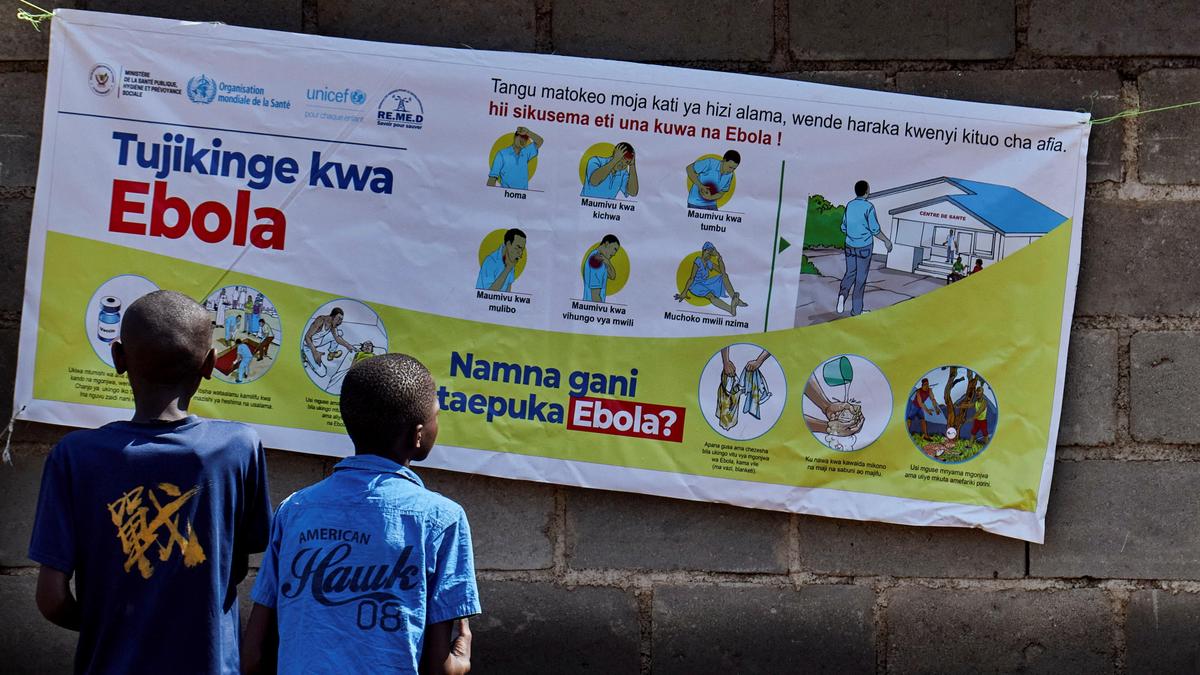
The data supports this grim reality. Epidemiological reviews of the baseline phases of the Kivu Ebola outbreak highlighted that initial community surveillance metrics were profoundly inaccurate, largely because frontliners lacked the specialized epidemiological training to cross-verify reports or manage deep-seated institutional distrust. They were sent into a psychological minefield with nothing but a clipboard and a leaflet.
De-Centering the Individual to Save the Collective
Disrupting this cycle requires discarding the romanticized notion of the heroic volunteer. To stop losing personnel and failing communities, the operational paradigm must shift toward a heavily professionalized, technocratic response framework.
The Professionalization of Containment Logistics
High-risk tasks must be restricted to permanent, salaried, highly trained national and international rapid-response corps. If an operation requires handling infectious bodies or collecting biological samples, it should not be performed by someone who received a three-day crash course. Professionalization creates accountability, institutional memory, and a much higher standard of occupational safety.
Decoupling Trust from Medical Interventions
The lazy assumption is that the person delivering medical care or managing a burial must look like the patient to be trusted. True trust is built on competence and predictability, not shared geography. Anthropologists and community leaders should be utilized exclusively for communication, dialogue, and cultural translation. They must never be weaponized as low-cost medical proxies.
Automated and Remote Surveillance Investment
Instead of sending human beings into volatile zones to gather baseline data, resources must pivot toward digital surveillance networks, wastewater monitoring, and localized mobile diagnostic units that do not require massive human infrastructure to operate.
The Financial Realities of Biosecurity
The immediate counter-argument to a highly professionalized model is cost. Critics will argue that maintaining a standing army of bio-containment experts is financially unsustainable for developing nations or cash-strapped NGOs.
This is short-sighted fiscal policy. The economic toll of a botched, prolonged outbreak vastly exceeds the capital required to maintain specialized, regional response hubs. The 2014 West African outbreak cost billions of dollars in international aid and wiped out years of economic growth across Guinea, Liberia, and Sierra Leone.
The human cost is equally quantifiable. Every time an aid worker gets infected, it decimates public confidence in the medical response. If the experts are dying, the community concludes that the treatment center is a slaughterhouse.
I have watched organizations burn through millions of dollars in emergency funding because their initial, volunteer-led containment strategy failed, forcing them to mount a massive, reactive international intervention months too late. The cost of doing it wrong the first time is always higher than the cost of doing it right from day one.
The Hard Truth of Humanitarian Optics
International aid organizations face a perverse incentive structure. Donors respond to narratives of local heroism and tragic sacrifice. A press release detailing the death of a volunteer often drives more immediate emotional giving than a technical report on upgraded mechanized logistics or automated diagnostic rollouts.
This creates a systemic reluctance to reform. To admit that the volunteer model is structurally broken is to admit that decades of humanitarian marketing have been built on an unsustainable premise.
We must stop treating the infection of frontline personnel as an honorable hazard of the job. It is a failure of operational design, a symptom of institutional inertia, and proof that the global health apparatus values the aesthetics of local engagement over the brutal reality of pathogen containment. Stop sending volunteers to do the work of biosecurity experts.