The internet loves a tragedy wrapped in a bow.
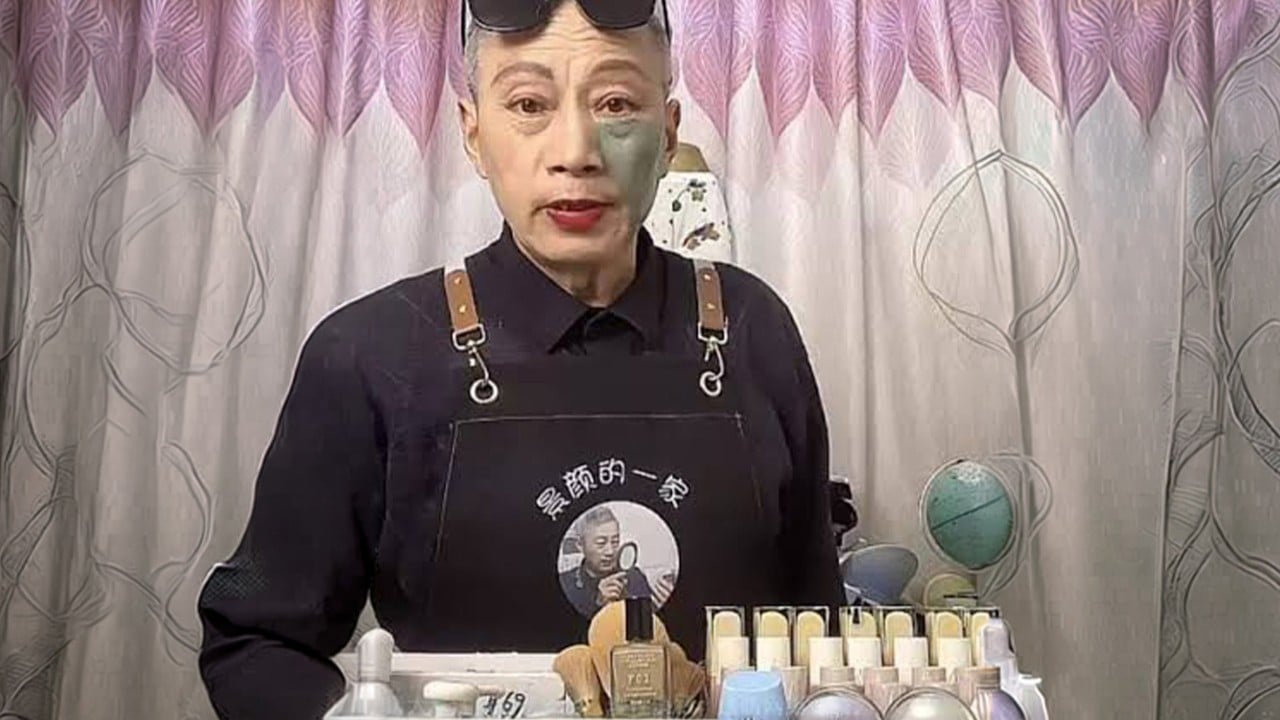
We see a headline about an octogenarian in China applying foundation to a camera lens to pay for a relative's life-saving medical care, and the collective hive mind weeps. We click share. We leave a comment filled with heart emojis. We buy the lipstick. We congratulate ourselves on participating in a beautiful moment of human resilience.
It is a lie.
What you are actually witnessing is not a heartwarming tale of familial devotion. It is the grim intersection of an algorithm that feeds on misery, a systemic failure of healthcare infrastructure, and a predatory creator economy that monetization platforms exploit for pure profit. Calling this "inspiring" is a coping mechanism for a society that refuses to look at the machinery underneath.
The Misery Algorithm How Platforms Monetize Your Tears
Let’s look at how the short-video ecosystem actually works on platforms like Douyin, Kuaishou, or TikTok.
The digital media landscape thrives on emotional arbitrage. Attention is the only currency that matters, and the highest-converting emotion is intense empathy mixed with a dash of novelty. A young, polished creator doing a makeup tutorial is background noise; the market is completely saturated. But an elderly grandfather fumbling with an eyeshadow palette because it is the only way to keep his disabled grandson alive? That is viral gold.
The algorithms do not care about the grandfather’s dignity. They care about watch time and retention.
- The Sympathy Hook: Users stop scrolling because the visual contrast is jarring.
- The Retention Trap: Viewers stay to watch the struggle, driven by a mix of morbid curiosity and guilt.
- The Conversion Loop: The emotional payoff triggers a purchase or a digital gift, enriching the platform far more than the creator.
When you look at the economics, the platform typically takes a massive cut of live-stream gifts—often up to 50%. The Multi-Channel Network (MCN) managing the creator takes another chunk. The elderly creator is left with pennies on the dollar, performing emotional labor on a digital stage just to access a fraction of the capital generated by their own misfortune. I have seen talent agencies deploy these exact high-emotion narratives across various markets, deliberately manufacturing or exaggerating hardship because they know optimized trauma outperforms genuine talent every single day.
The False Promise of the Digital Safety Net
The lazy consensus around these stories is that social media is a democratic equalizer. The narrative suggests that when traditional systems fail, the internet steps in as a decentralized safety net.
This premise is completely broken. Relying on virality to fund healthcare is a lottery system disguised as meritocracy.
For every elderly creator who successfully captures the internet’s fleeting attention span, tens of thousands of families suffer in absolute obscurity. Turning medical survival into an entertainment product creates a deeply perverse incentive structure. It forces vulnerable people to commodify their private pain, stripping away their privacy for a chance at a payout.
Consider the reality of skincare and cosmetic sponsorships. Brands do not partner with creators out of charity. They partner for return on investment (ROI).
An elderly influencer is a high-risk asset for a cosmetic brand. The audience is buying out of pity, not product efficacy. Pity purchases have zero brand loyalty. They are one-time transactions. Once the novelty wears off or the algorithm shifts its favor to the next tragic story, the revenue dries up instantly. Expecting a sustainable funding model for chronic medical conditions from an industry built on fleeting trends is a catastrophic misunderstanding of basic business mechanics.
The Hidden Cost of the Pity Economy
There is a dark side to this dynamic that nobody wants to talk about: the psychological toll on the creator.
Imagine being eighty years old, dealing with the profound stress of a family medical crisis, and realizing that your financial survival depends entirely on your ability to perform for an audience of strangers. If you have a bad day, if you look too tired, if you do not cry on cue, your viewership drops. Your grandson’s medicine depends on your engagement metrics.
This is not empowerment. It is a dystopian workhouse with a digital interface.
"When survival is tied to a view count, authenticity dies, and the human being becomes nothing more than a content farm asset."
Furthermore, this trend distorts the consumer's perception of philanthropy. Buying a tube of moisturizer through a live-stream shopping link allows people to feel like they have done their good deed for the day. It replaces actual systemic advocacy with consumerism. It lets the platforms and corporations off the hook, allowing them to position themselves as benevolent facilitators of charity while they quietly pocket the transaction fees.
Dismantling the Audience Illusion
Let’s answer the question the audience avoids: Why do we really watch?
We do not watch to help. We watch to validate our own safety. Witnessing extreme hardship from behind a screen provides a psychological buffer. It is a form of emotional tourism.
If viewers truly cared about the structural issues facing these families, the response would not be a flood of digital red packets and praise for the creator's "grit." It would be a collective outrage demanding better social safety nets, cheaper access to pharmaceuticals, and strict regulations against the corporate exploitation of vulnerable individuals online.
Stop calling these stories heartwarming. Stop treating systemic failures as feel-good content. The moment we celebrate an elderly man turning his family's survival into a reality TV show is the moment we admit our collective empathy has been completely hollowed out by the attention economy.
Turn off the stream. Stop buying the pity products. Demand a world where a grandfather can just be a grandfather, rather than an underpaid entertainer fighting an algorithm for his family's lives.