The letter arrives in a plain white envelope. For thousands of people living in America, this ordinary piece of paper carries the weight of a deportation order. It tells you that your time is up. It tells you that the country you have built a life in for five, ten, or twenty years no longer recognizes your right to exist within its borders.
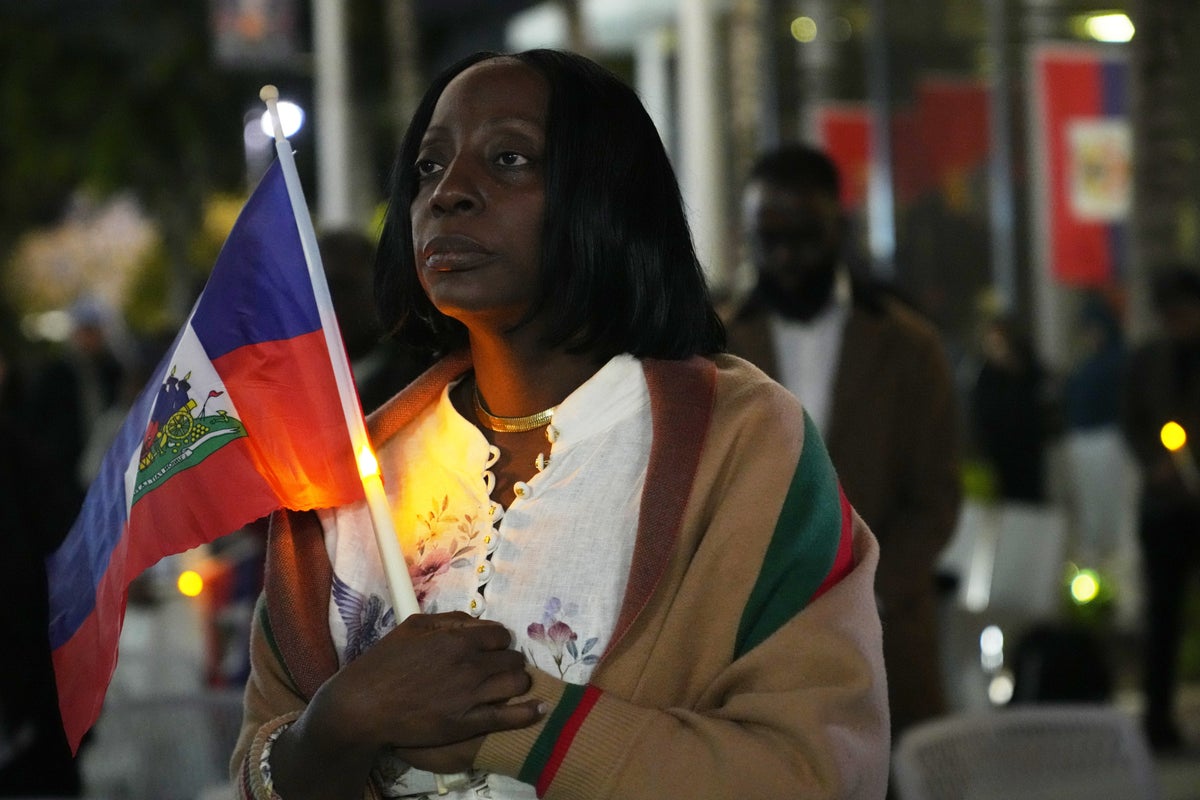
This is the reality of Temporary Protected Status, or TPS. It is a bureaucratic lifeline designed to shield foreign nationals from being returned to countries ravaged by war, epidemics, or natural disasters. But a recent Supreme Court decision has effectively cleared the path for the administration to dismantle these protections for citizens of Haiti and Syria.
Behind the legal jargon of judicial deference and executive authority lies a stark human calculation. What happens when the place you fled remains a war zone or a ruins-scape, but your permission to stay safely away from it simply expires?
The Anatomy of an Emergency
To understand how we reached this point, we have to look at what TPS was meant to be. Created by Congress under the Immigration Act of 1990, the program was a rare moment of legislative clarity. It recognized a simple moral truth: you do not send people back into a burning house.
When an earthquake flattens Port-au-Prince, or when a civil war turns Damascus into rubble, the U.S. government can designate that nation for TPS. It allows citizens of those countries who are already in the United States to live and work here legally. It is not a green card. It is not a path to citizenship. It is a temporary pause button on deportation.
Consider a hypothetical family—let us call them the Jean-Baptistes. They arrived from Haiti after the catastrophic 2010 earthquake. Over the last decade and a half, they paid taxes, bought a home, and raised children who speak English with American accents. They followed every rule. Every eighteen months, they paid hundreds of dollars in fees, submitted their fingerprints, and waited anxiously for the government to extend their safety net.
Then the rules changed.
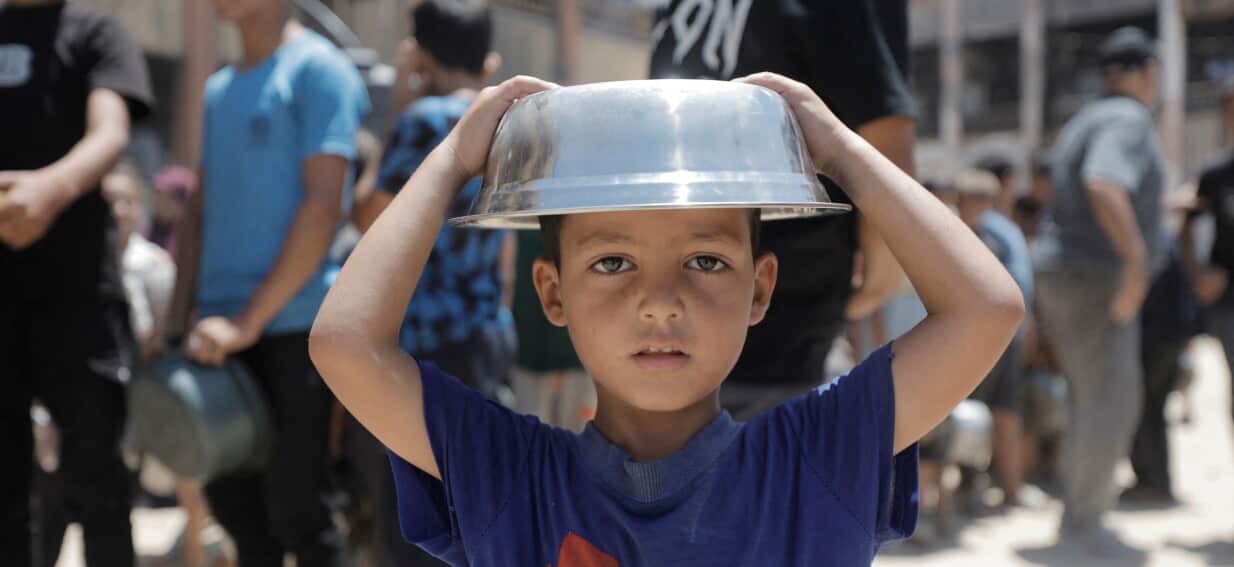
The administration argued that the original conditions justifying the TPS designations had improved sufficiently to terminate them. For Haiti, the government pointed to the passage of time since the 2010 earthquake, despite ongoing political chaos and rampant gang violence. For Syria, the argument rested on stabilized sectors, even as humanitarian organizations screamed that the country remained entirely unsafe for returnees.
The Legal Lever
The battleground wasn't the streets; it was the federal court system. Lower courts had initially blocked the administration's efforts to end TPS for these nations, ruling that the decisions were motivated by political calculations rather than objective facts on the ground.
But the Supreme Court's refusal to intervene changed everything. By letting the administration proceed, the high court affirmed a massive expansion of executive power over immigration policy. The legal core of the ruling rests on a doctrine of administrative deference. Essentially, the courts decided that the executive branch has the absolute discretion to determine when a foreign country is "safe enough" for its citizens to return.
The problem with absolute discretion is that it turns human lives into political capital. Safety becomes a variable definition.
If you look at the raw data, the conditions on the ground in both Haiti and Syria have rarely been worse. The United Nations continuously issues warnings about severe food insecurity, lack of medical infrastructure, and widespread violence in these regions. Yet, under the current legal interpretation, the administration possesses the authority to look at a map of a broken country and declare it healed.
The Cost of the Invisible Clock
Living under TPS means living with a countdown timer ticking in the back of your mind. You cannot plan a career. You cannot easily get a mortgage. You exist in a state of permanent provisional attachment to the world around you.
When the government moves to end these protections, that ticking clock grows deafening. The immediate consequence is not an overnight mass deportation by plane. The infrastructure for that does not exist. Instead, the consequence is the sudden, violent thrust of hundreds of thousands of legal workers into the shadow economy.
People do not simply board planes back to active conflict zones voluntarily because a piece of paper told them their status expired. They stay. But they stay as undocumented individuals.
They leave jobs where they were protected by labor laws and paid into Social Security. They disappear into cash-in-hand labor, vulnerable to exploitation, wage theft, and abuse. The businesses that employed them—often in critical sectors like healthcare, construction, and hospitality—suddenly face massive labor shortages. The communities that relied on their tax revenue feel the contraction.
The administrative argument insists this is merely the rule of law functioning as intended. Temporary means temporary. But fifteen years is not a temporary disruption; it is a generation.
The View from the Kitchen Table
Imagine sitting across from your teenager, trying to explain that the country they have known since infancy expects you to pack a bag and leave. You are explaining that the Supreme Court decided the President has the right to make this choice, and there are no more appeals left to file.
The debate around immigration frequently reduces people to statistics or economic burdens. We talk about numbers, border security, and legal precedents. We rarely talk about the psychological erosion of waiting for a decision that will determine whether your family stays whole or gets ripped apart.
The system is broken not because it lacks rules, but because the rules have been stripped of human context. By treating TPS as a purely administrative mechanism that can be toggled on and off without regard for the deep roots people plant, the policy creates the very instability it was designed to prevent.
The legal fight may be over in the halls of the Supreme Court, but the human crisis is just beginning. The envelopes are landing in mailboxes. The dates are set. Thousands of families are now forced to choose between returning to a homeland that no longer exists or staying in the shadows of the one they call home.