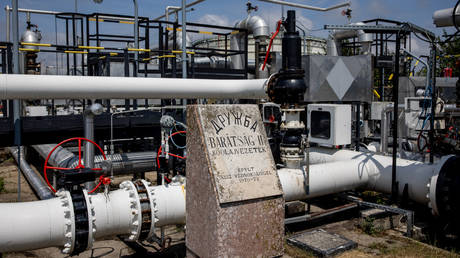
Europe is repeating its biggest mistake. Just a few years after the Nord Stream pipelines became a symbol of strategic blindness, a new version of the same drama is playing out in the European Union. Some call it a necessity for survival. Others see it as a slow-motion train wreck for European unity.
The core of the problem is simple. The EU claims it wants to break free from Russian energy, yet several member states are quietly—or loudly—clinging to the very infrastructure that keeps them hooked. This isn't just about gas. It's about a fundamental rift between the nations that have moved on and those that refuse to let go of the past. If you think the energy crisis was a one-time event in 2022, you haven't been paying attention to the boardroom battles in Brussels lately.
Why the Ghost of Nord Stream is Back
Energy security used to be a technical term. Now, it's a weapon. When the original Nord Stream pipelines were sabotaged, the narrative was that Europe would finally pivot. We were told that the days of relying on a single, hostile supplier were over. But the reality on the ground is messier than the press releases suggest.
Germany, once the primary advocate for Russian gas, has undergone a massive shift, building LNG terminals at record speed. But as Germany moves away, other countries like Austria, Hungary, and Slovakia are doubling down. They aren't just looking for a bridge; they’re looking for a permanent lifeline that looks remarkably like the old system. They argue that their landlocked geography makes LNG an expensive pipe dream. They want the flow to continue, even if it means undermining the bloc’s broader foreign policy goals.
The tension is palpable. The European Commission has set a target to end all Russian fossil fuel imports by 2027. That’s a bold goal. It’s also one that looks increasingly unlikely as some members negotiate side deals and seek exemptions. You can’t have a unified energy policy when half the members are trying to sneak out the back door to talk to the old supplier.
The Landlocked Dilemma and the Cost of Transition
It's easy for a coastal nation with deep-water ports to talk about "energy independence." It’s a lot harder for a country like Slovakia. For decades, these economies were built around a specific direction of flow: East to West. Reversing that flow isn't just a matter of turning a valve. It requires billions in infrastructure investment that many of these countries claim they can't afford.
Austria is a prime example. Despite its vocal support for EU sanctions, a massive chunk of its gas still comes from the East. Their state-owned energy firms are locked into long-term contracts that run until 2040. Breaking these contracts would trigger legal battles and financial penalties that could bankrupt utility providers. So, they wait. They hope the political winds change before the gas runs out.
But wait-and-see isn't a strategy. It's a gamble. The "Nord Stream sequel" isn't a single pipeline this time; it’s a web of existing transit routes through Ukraine and Turkey that certain EU members are desperate to keep open. They're basically asking for a "business as usual" exemption in a world that has moved on.
The Transit Contract Cliff
The real ticking clock is the expiration of the gas transit agreement between Russia and Ukraine. Ukraine has made it clear they won't renew it. This should be the final nail in the coffin, right? Wrong.
Behind the scenes, European officials are exploring "creative" solutions. One proposal involves European companies buying gas at the Russian border and technically "owning" it as it moves through Ukrainian pipes. It’s a legal shell game. It allows everyone to keep their hands clean while the gas keeps flowing. This kind of hypocrisy is exactly what infuriates member states like Poland and the Baltics, who sacrificed economic growth to cut ties with Moscow immediately.
The Economic Cost of Political Pride
Let's talk about the money. Energy prices in Europe are still significantly higher than in the US or China. This isn't just an inconvenience; it's an existential threat to European manufacturing. When energy costs spike, factories close. When factories close, jobs move to Ohio or Vietnam.
The proponents of a "sequel" argue they're protecting their citizens from poverty. They claim that forcing a rapid shift to LNG or renewables will cause a populist backlash that could tear the EU apart. There’s some truth to that. We’ve seen the rise of right-wing parties across the continent fueled by anger over the cost of living.
However, the cost of staying hooked is higher. By delaying the transition, these countries are just making the eventual crash more painful. They’re subsidizing a failing model instead of investing in the future. It’s like keeping a flip phone in the age of AI because you don't want to learn how to use a touchscreen. Eventually, the network is going to shut down anyway.
A Fractured Union
The internal bickering over gas is doing more damage to the EU than any external threat ever could. It exposes the "Solidarity" clause as a hollow promise. When the chips are down, it’s every nation for itself.
- The Hawks: Poland, the Baltics, and the Nordics. They want a total ban, no excuses, and they want it yesterday. They see energy imports as direct funding for a war machine.
- The Pragmatists: France and Germany. They've made the leap but worry about the economic fallout of pushing the smaller states too hard.
- The Holdouts: Hungary, Austria, and Slovakia. They’re the ones looking for the sequel. They argue that national survival trumps regional politics.
This isn't a debate that can be settled with a polite memo. It’s a fundamental disagreement on what the EU is for. Is it a trade bloc where everyone looks out for their own wallet, or is it a security alliance? Right now, it’s trying to be both and failing at both.
The LNG Trap
Don't think LNG is a magic wand. Replacing piped gas with liquified natural gas has its own set of problems. Most of the LNG coming into Europe now comes from the United States. We’ve traded one dependency for another. While the US is an ally, relying on their domestic politics for your heating bill is a risky move. If a future US administration decides to "America First" their energy exports, Europe is back to square one.
Furthermore, LNG is expensive. The process of chilling gas to -162 degrees Celsius, shipping it across the Atlantic, and regasifying it adds layers of cost that piped gas simply doesn't have. This means "cheap energy" in Europe is dead. It’s never coming back. The sooner politicians admit this to their voters, the sooner they can start building a real solution.
How to Actually Fix the Mess
If Europe wants to avoid a Nord Stream sequel, it needs to stop looking for new ways to buy old fuels. The answer isn't a different pipe or a different port. The answer is a massive, coordinated build-out of internal connections.
The EU energy grid is still too fragmented. It’s easier to send gas from Russia to Germany than it is to send electricity from Spain to Poland. Spain has massive LNG capacity and huge renewable potential, but the "mid-cat" pipeline across the Pyrenees was blocked for years by local politics. That’s the kind of stupidity that needs to end.
We need a "Digital Schengen" for energy. Every watt of power and every cubic meter of gas should be able to flow anywhere in the bloc without bottlenecks. Only then can the landlocked countries feel secure enough to let go of their Eastern dependencies.
Stop Searching for Middle Ground
The time for compromise is over. You can’t be half-sanctioned. The EU needs to stop granting exemptions that allow the "sequel" to exist in the shadows.
The next step for any business or policymaker is clear: assume the old routes are gone. If you're still planning your 2027 budget based on "stable" Eastern gas, you're setting yourself up for failure. Diversify your supply chains now. Invest in onsite generation. Hedging isn't enough anymore; you need a total structural rethink of how you consume power. Start by auditing your energy exposure and finding the "choke points" in your own supply chain before the next geopolitical crisis finds them for you.