The air in Lahore does not simply move; it settles, heavy with the scent of burning sugarcane fields, diesel exhaust, and the unmistakable, biting tang of sulfur. It is a familiar weight to anyone who has spent an autumn morning waiting for a bus that may never arrive.
Meet Tariq. He is forty-two years old, the father of three, and the owner of a battered Suzuki Mehran that has seen better decades. Every morning at 5:30 AM, Tariq turns the ignition key. On a good day, the engine coughs twice and catches. On days like today, the silence that follows is absolute. The tank is empty. Not metaphorically. Literally.
Across the city, beneath the slate-grey pall of smog that swallows the upper floors of the Minar-e-Pakistan, a different kind of quiet is taking root. It is the quiet of locked petrol station gates. It is the friction of a government caught between two impossible doors: sliding back into the claustrophobia of a pandemic-era economic freeze or watching its foreign exchange reserves evaporate into the burners of thermal power plants and the fuel tanks of idling cars.
They call it a smart lockdown. The phrase sounds clinical, almost surgical. It rolls off the tongues of bureaucrats in air-conditioned offices as if a nation’s mobility could be managed with a dimmer switch. Turn down the lights in this district. Keep the factories humming in that one. Protect the supply chain. Spare the export corridors.
(Note: While "smart lockdowns" were originally forged as a public health instrument to isolate infection clusters without shuttering entire provinces, the modern invocation of the term in policy circles has mutated. It is no longer just about viral vectors; it is about resource rationing.)
To understand why Pakistan is staggering toward this precipice, you have to look past the macroeconomics and down at the asphalt. You have to look at the math of survival when a country’s import bill outstrips its earnings by billions of dollars, and the global price of refined petroleum products feels less like a market commodity and more like an extortion note.
The Arithmetic of Exhaustion
Numbers on a balance sheet rarely bleed, but they do starve.
At its core, the fuel shortage is a symptom of a chronic, systemic fever. Pakistan imports the vast majority of its petroleum needs. When global crude prices spike—pushed upward by distant wars, shifting cartels, and fractured supply lines—the shockwave hits Karachi ports long before it reaches the corner pump in Faisalabad.
For months, the state wrestled with a cruel dilemma. Open the letters of credit for fuel tankers waiting offshore, or preserve the dwindling dollars in the central bank to service foreign debt. Every dollar spent on a barrel of diesel is a dollar not spent on life-saving pharmaceuticals or raw industrial cotton. It is a zero-sum game played with real people’s livelihoods.
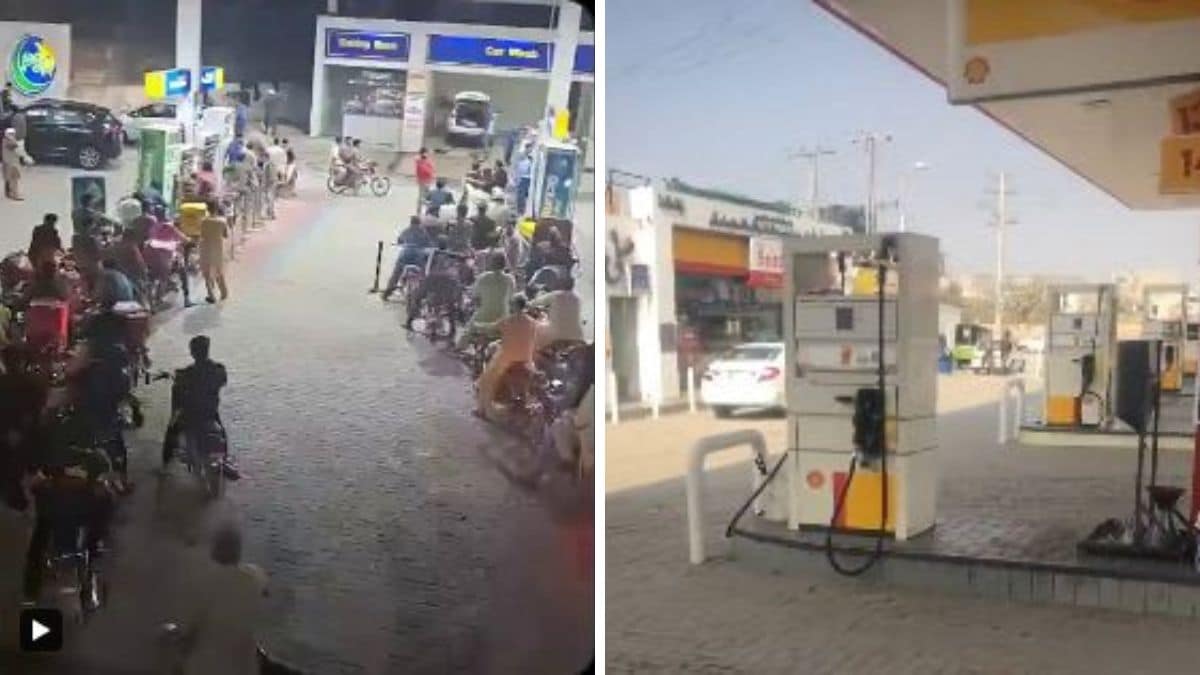
Tariq doesn’t know what a letter of credit is. He doesn’t need a degree in macroeconomics to understand the crisis. He knows it when he sees the queue stretching four blocks past the canal, cars lined up like metallic skeletons, their drivers slumped over steering wheels, listening to static on the radio, burning fuel just to keep the air conditioning running while they wait for fuel they might not even get.
And then came the whisper from the corridors of power: What if we slow the city down again?
The logic is seductive to administrators. If people cannot move, they do not burn fuel. If offices close three days a week, electricity demand drops, sparing the furnace oil and imported liquefied natural gas used to generate peak power. If schools shift online, millions of parents stay home.
It is a neat equation on paper. Cut the denominator, and the ratio balances.
The Human Cost of Staying Still
But human lives are not variables in a spreadsheet.
Consider what happens when you tell a daily-wage laborer in Rawalpindi that his neighborhood is entering a smart lockdown to conserve energy and fuel. His wages vanish instantly. The rickshaw driver who clears eight hundred rupees a day after buying his CNG doesn’t have a remote-work option. His kitchen runs on the cash he earns between sunrise and sunset. When the streets are cordoned off with yellow plastic police tape—the familiar aesthetic of crisis management—his stove goes cold.
This is the hidden cost of rationing by restriction. It protects the macro-economy at the micro-level's expense. It creates a tiered society where the wealthy stock up generators and fill underground storage tanks while the working poor absorb the shock of every administrative pivot.
The government struggles because every lever available to it is heavy and rusted. Devalue the currency further to curb imports, and inflation surges, pushing basic flour and lentils out of reach for millions. Borrow more from international lenders, and the structural adjustment conditions bite deep into public subsidies, raising electricity tariffs until even middle-class families must choose between lighting their homes and feeding their children.
So they talk about smart lockdowns. They search for a middle ground that doesn't exist. They try to find a way to run a modern economy on half-rations while the structural leaks in the hull keep widening.
The Breaking Point and the Alternative
History suggests that containment without remedy is merely a postponement of pain.
When you restrict movement without fixing the underlying energy deficit, you are simply compressing a spring. The pressure builds until it finds a seam to burst through. We saw it during the pandemic lockdowns—the sudden eruptions of protest, the quiet desperation of small shopkeepers breaking locks to feed their families, the exhaustion of a populace that felt asked to carry a weight without knowing when the bridge would appear.
The way forward requires an uncomfortable intimacy with reality. It means acknowledging that temporary administrative curbs cannot substitute for structural reform. It means recognizing that energy security is national security, and that a nation cannot drift along on patchwork fixes while its foreign reserves hover near the edge of a cliff.
Tariq finally found fuel after four hours in line. It cost him twenty percent more than it did last month, a price hike that swallowed his earnings for the entire day. He didn't complain much. In Lahore, you learn that anger is an expensive luxury; it burns energy you cannot afford to waste.
He drove home slowly, keeping the needle well above empty, watching the grey sky press down on the rooftops, waiting to see what tomorrow’s decree would bring, and wondering how many times a city can hold its breath before the air runs out entirely.