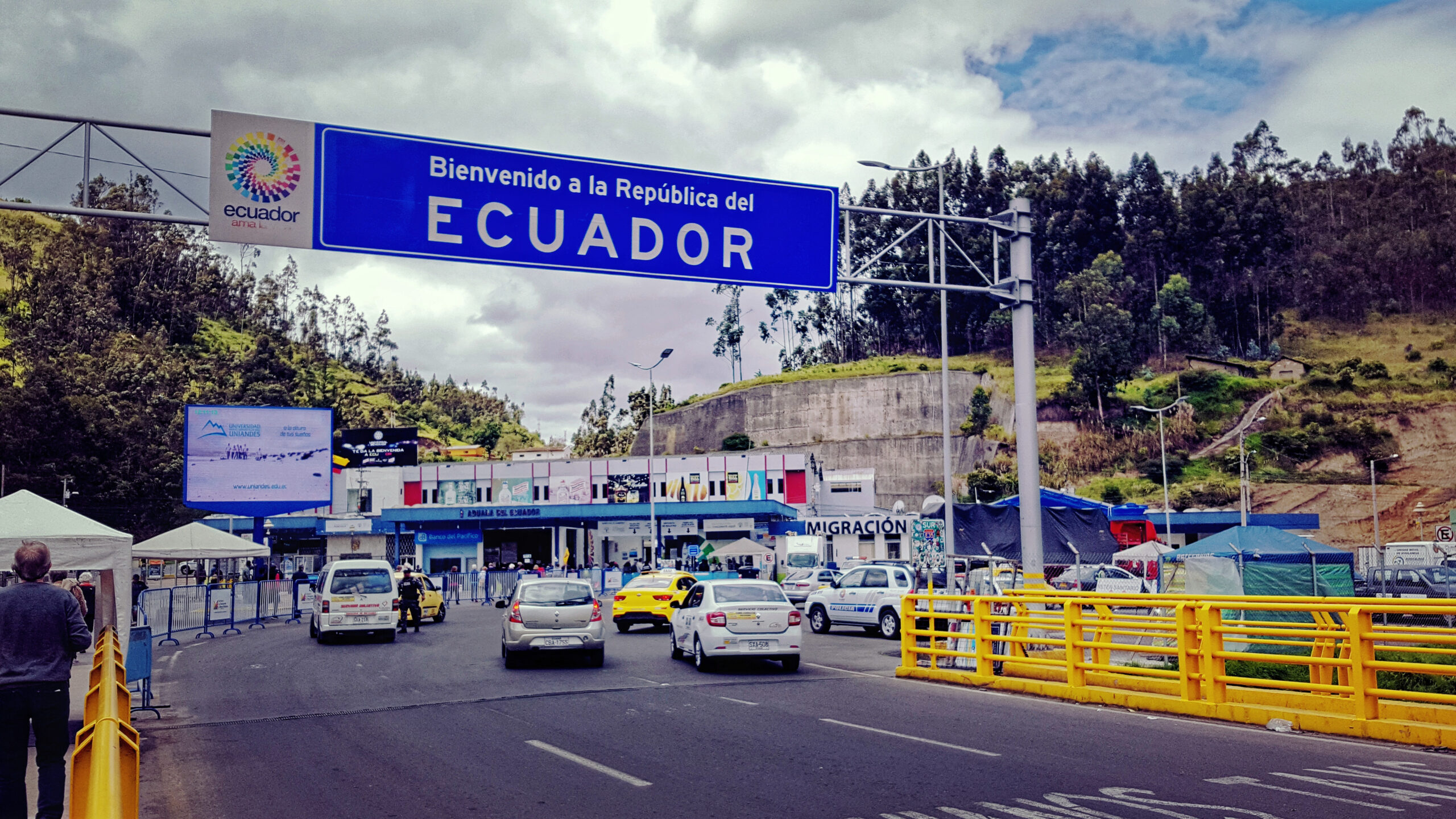
If you're importing anything from Colombia into Ecuador, your margins just vanished. On April 9, 2026, the Ecuadorian government dropped a hammer that many saw coming but few were prepared for. Starting May 1, tariffs on Colombian goods are jumping to 100%. That’s not a typo. We’re talking about a total doubling of the cost for everything from medicine to coffee.
This isn’t just some minor diplomatic spat. It’s a full-blown economic divorce between two neighbors who used to be inseparable. If you’ve been relying on the Andean Community’s free-trade promises, it's time to wake up. Those rules are basically dead in the water right now.
The Security Excuse and the Real Numbers
President Daniel Noboa says this is about "national security." The official line is that Colombia isn’t doing enough to stop drug trafficking at the border. But let’s look at what’s actually happening. Ecuador is staring down a massive trade deficit with Colombia—over $1 billion annually.
By framing this as a security issue, Noboa is trying to force Gustavo Petro’s hand. He wants more boots on the ground and more control over the flow of goods. But for you, the business owner, it just means your inventory costs are about to hit the ceiling.
- Initial Hit: In January 2026, it started with a "security fee" of 30%.
- The Escalation: By late February, that climbed to 50%.
- The Knockout: As of May 1, you’re paying 100%.
The Andean Pact is Collapsing
The Andean Community (CAN) was built on the idea of a borderless market. Colombia, Ecuador, Peru, and Bolivia were supposed to trade without these kinds of hurdles. Petro already said it out loud: "This is a monstrosity." He’s basically ready to walk away from the pact and pivot toward Mercosur (the trade bloc led by Brazil and Argentina).
If Colombia pulls out of the Andean Pact, the legal framework you’ve used for years to move goods tariff-free is gone. This isn't just a temporary tax; it's a structural shift in South American trade.
What’s Getting Hit the Hardest
Ecuador depends on Colombia for things it can't easily produce or source elsewhere on short notice. If your business touches these sectors, you need a backup plan yesterday.
- Pharmaceuticals: Huge chunks of Ecuador's medicine and pesticides come from across the border. Expect shortages and price spikes at pharmacies by mid-May.
- Energy: Colombia already cut off electricity sales to Ecuador. If you're running a factory in Quito or Guayaquil, those rolling blackouts from 2025 aren't going away.
- Food and Commodities: Coffee, sugar, and vehicles are all on the hit list.
The Oil Pipeline Revenge
It’s not just one-way traffic. Ecuador raised the tariff for transporting Colombian crude oil through its SOTE pipeline by a staggering 900%. It went from $3 to $30 per barrel. If you're in the energy sector, that's a death blow to the profitability of moving Colombian oil to the Pacific coast.
How to Pivot Your Logistics Now
Don't wait for May 1 to see if they’re "just joking." They aren't. Both governments have recalled ambassadors. The relationship is toxic.
- Audit Your Origin: Check if your Colombian suppliers have manufacturing hubs in Peru or Brazil. If you can shift your sourcing to another CAN member that isn't Colombia, you might dodge the 100% bullet.
- Front-load Shipments: If you have the warehouse space, get every shipment cleared through customs before the May 1 deadline. Even a few days' delay will cost you double.
- Negotiate Force Majeure: Check your contracts. A 100% tariff hike is a massive "unforeseen event." You need to talk to your suppliers about sharing the pain or pausing orders without penalties.
Stop Hoping for a Diplomatic Fix
The next round of talks was cancelled because of the Jorge Glas situation. When you have one president calling the other's prisoner a "political victim," trade negotiations don't happen.
Forget the "wait and see" approach. Start looking at Peruvian or Chilean suppliers for your raw materials. The 600-kilometer border between Colombia and Ecuador is turning into a wall, and your business can't afford to be on the wrong side of it when the 100% rate goes live.