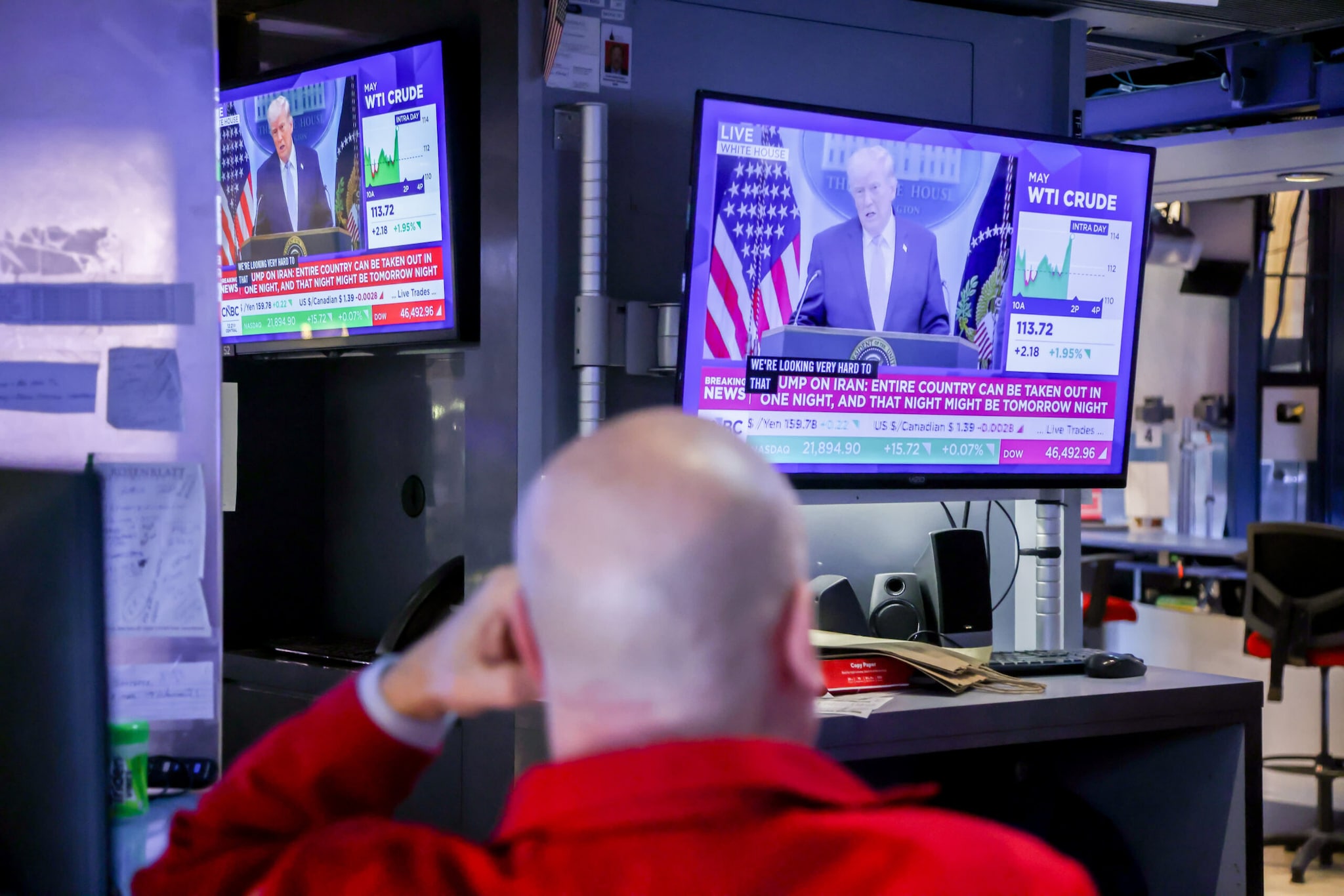
The ink is barely dry on the June 2026 peace agreement scheduled to be signed in Switzerland, but don't let the sudden drop in crude oil prices fool you. While Brent crude quickly slid back toward the mid-$80s after hitting peaks above $120, the actual machinery of global commerce doesn't have an on-off switch. The 107-day military conflict between the US, Israel, and Iran did more than just spike your gas prices for three months. It fundamentally broke the underlying assumptions of global supply chains, energy logistics, and sovereign debt.
Most people look at a conflict map and assume peace means a return to the status quo. It doesn't. When the Strait of Hormuz was choked off in March 2026, it triggered what the International Energy Agency called the largest supply disruption in history. We are looking at structural fractures that will alter corporate balance sheets and national budgets through 2027 and beyond. The physical and financial scars are deep, and they are already reshaping how businesses operate globally.
The Myth of the Quick Energy Recovery
The immediate market reaction to the peace deal was relief. Oil futures dropped. Stock indexes ticked upward. But the physical reality on the ground at major energy hubs like Ras Laffan in Qatar or the refining complexes along the Iranian coast is a multi-year engineering headache.
When Iranian strikes hit Qatar's LNG infrastructure in mid-March, they knocked out roughly 17% of the country's export capacity. Industry analysts at Wood Mackenzie estimate that repairing that level of highly specialized, capital-intensive infrastructure takes three to five years. You can't just buy these components off the shelf.
Furthermore, restarting oil production isn't like turning on a kitchen faucet. When the maritime blockade stranded up to 13 million barrels per day of Gulf exports, several producers had to implement "shut-ins" because they completely ran out of storage space. Bringing those fields back online safely without damaging underground reservoirs requires months of meticulous engineering pressure management.
Insurance companies are also rewriting the rules for the region. Maritime underwriters aren't going to drop their war-risk premiums overnight just because a document was signed in Europe. Shipowners need a sustained window of safety before they risk sending billion-dollar vessels back into a waterway that is only 33 kilometers wide at its narrowest point. The premium costs will remain embedded in global freight rates for quarters to come.
The Broken Illusion of Gulf Safety
For two decades, the Gulf Cooperation Council states sold the world a very specific narrative. They positioned themselves as an oasis of absolute financial security and luxury, safely insulated from regional friction. That narrative is dead.
The war forced a systemic rethink of corporate presence in the region. The Middle East Council on Global Affairs noted that the conflict irreversibly shook the region's image as a permanently safe haven for expatriate talent and foreign direct investment.
Think about the immediate domestic impact during the blockade. These countries import more than 80% of their food through that single strait. By mid-March, a massive grocery emergency forced retailers to airlift basic food staples into cities like Dubai and Doha. Airfreighting milk and grain caused retail food prices to skyrocket by 40% to 120% in weeks.
Corporate boards are adjusting to this vulnerability. You don't leave your regional headquarters or your primary data servers in a zone where basic food security can collapse in ten days due to a maritime blockade. The long-term investment capital that was supposed to fund massive regional diversification projects over the next decade is already quietly looking for safer harbors in Southeast Asia and North America.
Europe and the Permanent Industrial Drag
Europe entered this crisis under the worst possible conditions. A brutal 2025–2026 winter had already drained European natural gas storage to an anemic 30% capacity. When the Gulf supply vanished, continental energy markets went into a tailspin, with Dutch TTF gas benchmarks doubling almost instantly.
The damage to European manufacturing isn't temporary. Chemical giants and steelmakers across Germany, the UK, and Italy slapped surcharges of up to 30% on their products just to stay afloat against surging electricity and feedstock costs.
European Manufacturing Surcharges (Peak Conflict)
| Sector           | Surcharge |
|------------------|-----------|
| Chemical Output  | 30%       |
| Steel Production | 25%       |
| Heavy Ceramics   | 20%       |
The European Central Bank has repeatedly warned of structural stagflation. A brief spike in energy costs can be absorbed, but three months of manufacturing halts mean permanent market share loss. Some of these industrial plants are simply never turning back on. They are moving production permanently to regions with domestic energy security, accelerating the deindustrialization of western Europe.
The Looming Food and Debt Clock in Emerging Markets
The most dangerous tail effect of the war isn't energy at all. It is the agricultural delay.
The conflict severely disrupted global fertilizer and petrochemical supply chains. Because agriculture runs on strict seasonal timelines, the resulting fertilizer shortages didn't hit global food supplies during the fighting. Instead, the damage works on a six-to-nine-month lag. We will see the true impact on crop yields during the late 2026 harvest seasons across South Asia and East Africa.
This agricultural hit arrives at the exact moment a severe sovereign debt crisis peaks. According to data from the 2026 Global Peace Index, import-dependent developing nations are facing a brutal convergence of higher food distribution costs and massive debt deadlines.
- Pakistan, Egypt, and Kenya face a combined $5.1 billion in sovereign debt maturities in November and December of 2026 alone.
- Egypt lost roughly 10% of its GDP buffering capacity because the war choked off billions in regional worker remittances.
- Foreign portfolio investors pulled $6 billion out of Egyptian markets within the first month of the conflict, triggering an immediate 8% drop in the local currency.
When a country spends 60% of its national income just to import expensive food, it cannot roll over billions in international debt. The economic legacy of this war will likely be a wave of emerging market defaults before the year ends.
Corporate Next Steps for Navigating the Post War Economy
If you are managing an international business or overseeing a corporate supply chain, waiting around for things to settle back to 2025 levels is a losing strategy. The structural realities of trade have shifted. You need to adjust your operational playbook immediately.
First, stress-test your supply chain against single-point transit failures. The vulnerability of the Strait of Hormuz proved that relying on geographically constrained waterways is a critical corporate risk. If your business depends on components or materials that transit the Middle East, you need to actively qualify alternative suppliers in Latin America or Eastern Europe, even if the per-unit cost is slightly higher.
Second, recalculate your energy and raw material baseline budgets. Do not build your 2027 financial forecasts around the temporary dip in current spot prices. Factor in a permanent 15% premium on freight insurance and global logistics.
Finally, re-evaluate your geographic cash and asset exposure. The sudden capital flight from vulnerable emerging markets showed how quickly regional liquidity can evaporate. Shift your surplus reserves into deeper, defensive safe-haven currencies and asset classes before the agricultural supply shock hits the balance sheets of developing nations later this autumn.