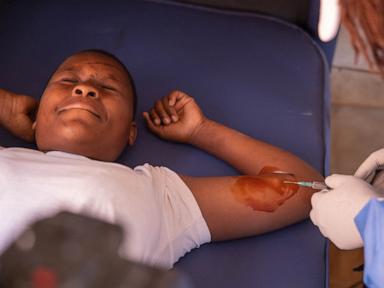
Panic spreads faster than any pathogen. When news broke that a patient in Kenya was isolated with suspected Ebola virus disease, social media erupted, headlines screamed catastrophe, and anxiety spiked across East Africa. Let's be honest for a second. We've all lived through enough health scares to know the exact script. Fear takes the wheel long before science even gets its boots on.
That patient tested negative. The viral hemorrhagic fever alarm was called off, and normal life resumed. But looking past the sigh of relief misses the real story. That brief window of panic exposed deep structural vulnerabilities in how public health systems handle infectious disease scares, how information travels, and why our knee-jerk reaction to viral threats remains broken.
The Anatomy of a False Alarm
Public health surveillance systems are built to catch anomalies. When a traveler or local patient presents with high fever, bleeding tendencies, or sudden weakness in a region vulnerable to cross-border transmission, protocols kick in immediately. In this specific Kenyan case, healthcare workers followed the playbook. They isolated the individual, initiated contact tracing precautions, and sent biological samples off to accredited laboratories for rapid confirmation via reverse transcription polymerase chain reaction testing.
Isolation wards aren't comfortable places. They are sterile, terrifying boxes designed to protect the broader population from a pathogen with a fatality rate that can exceed fifty percent. When that negative test result came back, it wasn't just good news for the patient. It was validation that the screening mechanism worked.
Yet, the speed at which misinformation outpaced institutional confirmation was staggering. Rumors on messaging apps claimed multiple hospitals were overrun weeks before any official statement existed. This communication gap is where public trust fractures. If health authorities fail to speak first and speak clearly, panic fills the vacuum.
Why Border Surveillance Is Harder Than It Looks
Kenya sits in a rough neighborhood for infectious diseases. To the west, neighbors have battled repeated outbreaks of Ebola, Marburg, and other viral threats over the past decade. Porous borders, massive refugee movements, and heavy regional trade mean that biological threats don't stop at immigration checkpoints.
Thermal scanners at airports and checkpoints get a lot of press, but epidemiologists know their limitations. A scanner catches a fever. It doesn't catch malaria, typhoid, common influenza, or a traveler who popped a handful of paracetamol before boarding a bus. Effective surveillance relies on frontline clinicians knowing what questions to ask. Did you travel to an active zone? Did you handle livestock? Did you attend a funeral of someone with unexplained symptoms?
When a hospital in Kenya flags a suspected case, it means a doctor actually listened, remembered the case definitions, and made a tough call to report it. That's a success, even when the final lab panel comes back negative. False alarms are the price of admission for an early-warning system that actually catches the real emergencies.
The Real Cost of Viral Panic
Every time a major scare hits the headlines, collateral damage piles up. Tourism dips. Cross-border traders face sudden restrictions and bureaucratic harassment. Stigma lands heavily on specific ethnic groups or communities associated with the initial unverified rumors.
During the West African epidemics and subsequent regional alerts, the economic toll of fear often rivaled the toll of the virus itself. People stop going to local clinics for routine vaccinations or malaria treatments because they are terrified of catching something worse at the hospital. Pregnant women stay home. Chronic disease management pauses.
We need to talk openly about the psychological fatigue these scares cause. Healthcare workers bear the heaviest burden. They suit up in sweltering personal protective equipment, manage hostile crowds, and face genuine occupational hazard, only to watch the public shrug and move on to the next viral trend once the test comes back negative.
Fixing the Info-demic
Technology has changed disease detection, but it has supercharged panic. A blurry photo of an ambulance outside a Nairobi clinic can circle the globe in minutes, stripped of all context. Traditional journalism often chases clicks with sensational framing before verifying facts with the Ministry of Health or the World Health Organization.
Building resilience against future outbreaks requires a two-pronged approach. First, laboratory turnaround times must shrink further. Point-of-care molecular testing needs to become standard at major transit hubs and regional referral hospitals so suspected cases are ruled in or out in hours, not days.
Second, health communication needs a complete overhaul. Bureaucratic press releases written in dense medical jargon don't work in the age of viral social media. Public health officials need to meet people where they are with direct, plain-language updates. If a patient is under investigation, say so clearly. Explain what tests are running, when results are expected, and what steps are being taken to protect the public. Transparency kills rumors before they mutate.
The negative test result in Kenya bought the region time. Use that breathing room to check your local emergency preparedness, support regional diagnostic labs, and demand better, faster communication from health agencies before the next alert sirens start wailing.