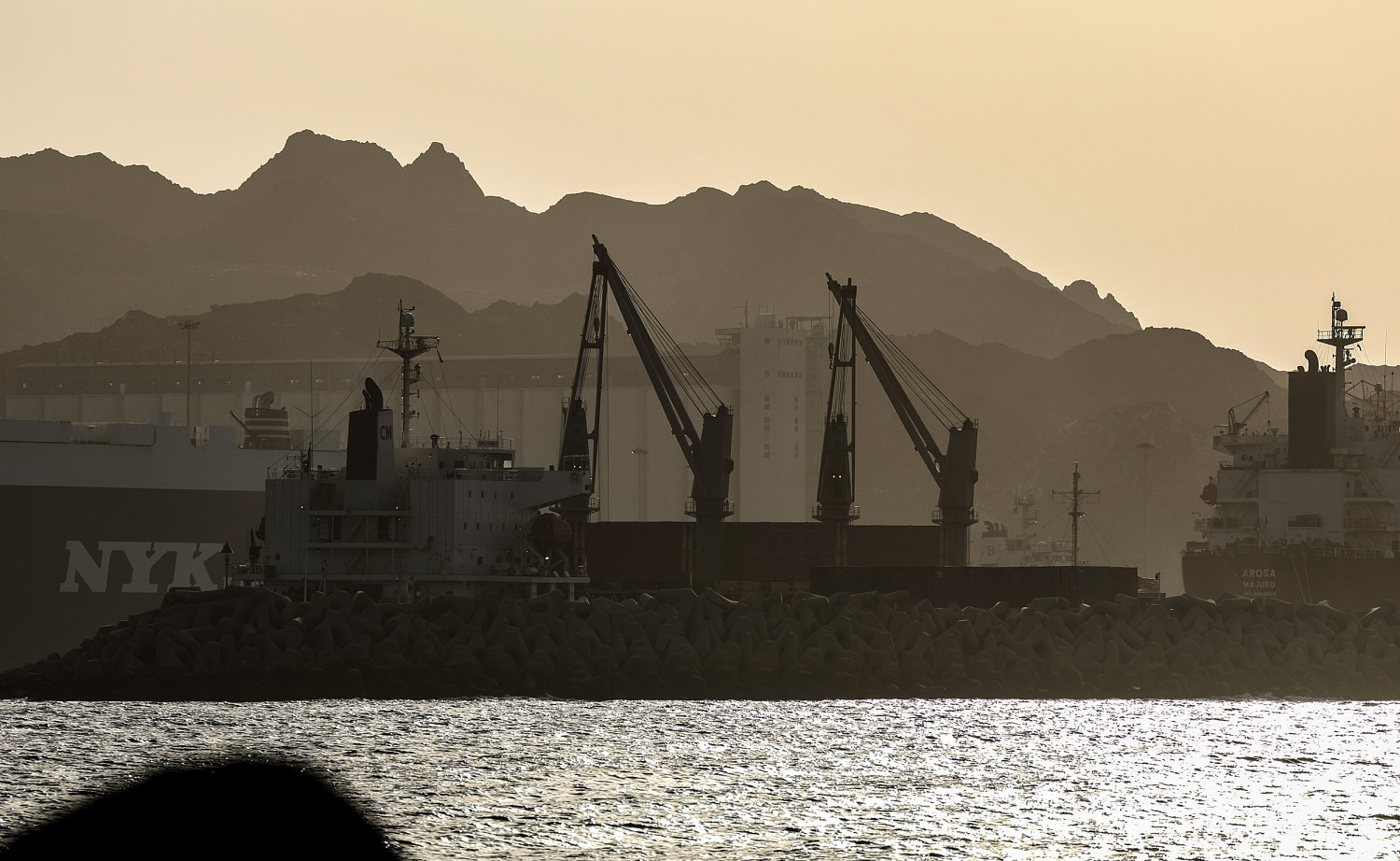
Geopolitical posturing rarely dictates the long-term price of crude, no matter how loud the headlines get. When President Donald Trump abruptly abandoned his floated plan to levy a 20% "reimbursement fee" on cargo transiting the Strait of Hormuz, anyone expecting energy markets to breathe a sigh of relief was sorely disappointed. Crude didn't tumble. Instead, Brent futures clung stubbornly to a one-month high above $84 a barrel.
If you think oil prices are high simply because of a proposed—and quickly discarded—maritime toll, you're looking at the wrong map. Building on this theme, you can find more in: Why Wall Street Is Dead Wrong About the IBM Earnings Dip.
The reality is that traders already factored the logistical chaos of the 20% toll into their models and recognized it as a classic negotiating gambit. Dropping the fee in exchange for vaguely defined "MASSIVE" trade and investment deals from Gulf nations might smooth over relations with regional emirs, but it doesn't fix the broken security situation on the water. The fundamentals driving oil up have nothing to do with Washington's tariff threats and everything to do with explosive physical realities in the Persian Gulf.
The Flawed Logic of the Maritime Toll
The proposed 20% transit fee was practically unworkable from the start. Had it been implemented, it would have tacked on a staggering $16 per barrel to the cost of crude passing through the chokepoint, effectively hitting a single supertanker with a $32 million penalty. Maritime logistics firms and international bodies like the International Maritime Organization (IMO) immediately flagged the move as a blatant violation of international maritime law. You can't just slap a mandatory security tax on an international strait used for navigation without rewiring global trade law from the ground up. Analysts at CNBC have shared their thoughts on this matter.
Even Iran's foreign minister, Abbas Araghchi, couldn't resist mocking the logic on social media, cheekily agreeing that whoever secures the strait deserves compensation, but noting that 20% was simply "too much".
When the White House pivots away from a chaotic economic threat toward diplomatic negotiations, it usually cools the market. Not this time. Crude supply chains are facing a much deeper crisis than an imaginary toll booth.
Why the Supply Threat is Still Escalating
The real reason oil continues its upward march is that the fragile interim ceasefire between the U.S. and Iran has completely evaporated. The U.S. military's Central Command recently unleashed heavy strikes targeting Iranian coastal defense systems, missile sites, and maritime capabilities. Tehran didn't back down; instead, they retaliated directly by targeting commercial shipping.
Consider what actually happened on the water while politicians were debating tariffs:
- The Emirati-associated tankers Mombasa and Al Bahiyah were attacked and set ablaze, resulting in sailor casualties.
- The Dutch-operated tanker Stolt Magnesium suffered an engine room fire following a direct strike off the coast of Oman.
- Commercial aviation authorities issued urgent warnings against operating civilian aircraft across the airspace of Bahrain, Qatar, and the UAE due to unpredictable missile and drone activity.
When tankers are actively burning in the Gulf of Oman, it doesn't matter if the U.S. drops a shipping fee. Insurers recalculate risk instantly. Ship-tracking data shows that tanker traffic through the narrow 21-mile chokepoint has slowed to a crawl, with many crews turning off satellite transponders to cross in the dark. The physical threat of interdiction and destruction is what keeps crude prices high, building a persistent war premium into every single barrel traded from London to New York.
The Gulf Investment Pivot Changes Nothing Today
Swapping a 20% tariff for long-term Gulf investment deals might sound like a victory for economic diplomacy, but it does zero to alleviate the immediate energy crunch. Wall Street analysts at Citigroup and Goldman Sachs have highlighted that the risk of military escalation remains materially elevated. Iran's response to the reinstated U.S. naval blockade will likely mean more covert disruptions, keeping global crude flows highly volatile.
Furthermore, global oil stockpiles are already heavily depleted. The International Energy Agency (IEA) previously warned that while the market showed resilience during the early phases of the conflict, a prolonged disruption to a waterway that handles 20% of global oil shipments will inevitably trigger fuel shortages and stoke inflation.
If you are trying to hedge against volatile fuel costs or navigate energy sector investments right now, don't get distracted by the political theater of dropped fees and sudden trade pacts. Focus on physical vessel transit numbers, war-risk insurance premiums, and localized military developments around Oman and Bushehr. Those are the metrics that determine whether Brent slides back down or makes a relentless run toward the triple digits. Keep your eyes on the water, not the social media feeds.