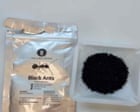
The crunch was deliberate. It was crisp, slightly acidic, carrying a citrus sharpness that burst across the palate like a tiny drop of lemon zest harvested directly from the dirt.
In the dimly lit dining room of a high-end Seoul restaurant, diners paid hundreds of dollars for that precise sensation. They were not just buying dinner. They were buying risk, innovation, and a seat at the table where culinary tradition collided with modern experimentation. The secret ingredient sprinkled artfully across the dessert was not a exotic spice or an elusive berry.
It was ants.
For months, the kitchen operated as a temple of modern gastronomy. Plating spoons moved with surgical precision. Tweezers carefully arranged delicate garnishes over blown glass plates. The chef viewed the dish as a testament to sustainability and regional terroir, elevating what many considered pests into an extraordinary culinary moment.
Then came the anonymous tip.
The Fine Print of Innovation
Food regulation does not operate on vision. It operates on lists.
When public health inspectors walked through the doors, they were not impressed by Michelin recognition or glowing reviews in international travel magazines. They held clipboard checklists written in rigid legal code. In South Korea, food sanitation laws explicitly define which organisms, insects, and animal products are approved for human consumption. Silkworm pupae, long a traditional street snack, have a clear legal standing. Specific species of crickets and mealworms have earned their place on the approved register after rigorous testing.
Forest ants, however, were nowhere on that list.
To the inspectors, it did not matter that the insects were carefully sourced, meticulously cleaned, or served in microscopic quantities. The law does not recognize artistic intent. An unapproved biological ingredient in a commercial kitchen is, by legal definition, an unsafe substance.
Overnight, the narrative flipped from culinary brilliance to criminal intent. The owner found themselves stripped of the protective armor that prestige usually provides, facing formal charges, heavy fines, and the genuine possibility of time behind bars.
When Tradition Collides With Modern Bureaucracy
Consider what happens when an ancient practice meets a modern legal framework. Humans have eaten insects for millennia. Entomophagy is not a shock-factor stunt for billions of people around the globe; it is a foundational source of protein, deeply tied to seasonality and ecological necessity.
Yet modern food safety codes were forged in the Industrial Age. They were designed to stop factory owners from sweeping sawdust into flour or selling spoiled milk to urban workers. These codes thrive on standardization. They demand that every single ingredient can be tracked, measured, categorized, and stamped with a seal of official approval.
When a chef steps outside those standardized lines, the system reacts automatically. It does not pause to evaluate whether the dish was delicious or whether any diner actually fell ill. It simply moves to eliminate the variance.
The kitchen, once buzzing with creative energy, quieted down. The staff spoke in hushed tones around the prep tables. The infamous dessert vanished from the menu, replaced by safer, predictable ingredients that conformed to every section and subsection of the municipal code.
The Human Price of Breaking the Mold
It is easy to view this story through a lens of absurdity. A chef facing prison over a handful of insects sounds like a headline plucked from a satirical publication.
Behind the headline sits a human being watching their livelihood crumble over a handful of milligrams of formic acid.
Creativity requires space to fail, but regulatory systems are built specifically to eliminate failure. When those two forces grind against each other, the individual always breaks first. The chef stood between two irreconcilable worlds: the global vanguard of fine dining, which demands constant novelty, and a local legal structure designed to enforce absolute conformity.
The court case became a battleground over definition. Is a chef an artist pushing the boundaries of sustainable cuisine, or a commercial vendor violating public health protocols?
The answer depends entirely on who you ask.
To the regular patrons who marveled at the bravery of the menu, the prosecution felt like an overreach of state authority, a bureaucratic machine punishing brilliance because it lacked the vocabulary to categorize it. To the regulators, enforcing the rule of law was the only thing preventing a free-for-all where any restaurant could serve unverified, wild-harvested ingredients under the guise of art.
The kitchen remains open, but the atmosphere has shifted. The tweezers still move, the plating remains gorgeous, but the shadow of the courtroom hangs over every new concept tested on the pass. Innovation continues, though now it moves with a newfound, cautious hesitation.
The law made its point. The menu is safer now. The ants are gone.
And somewhere in the quiet gap between regulation and invention, the spark that made the kitchen legendary dimmers just a little bit more.