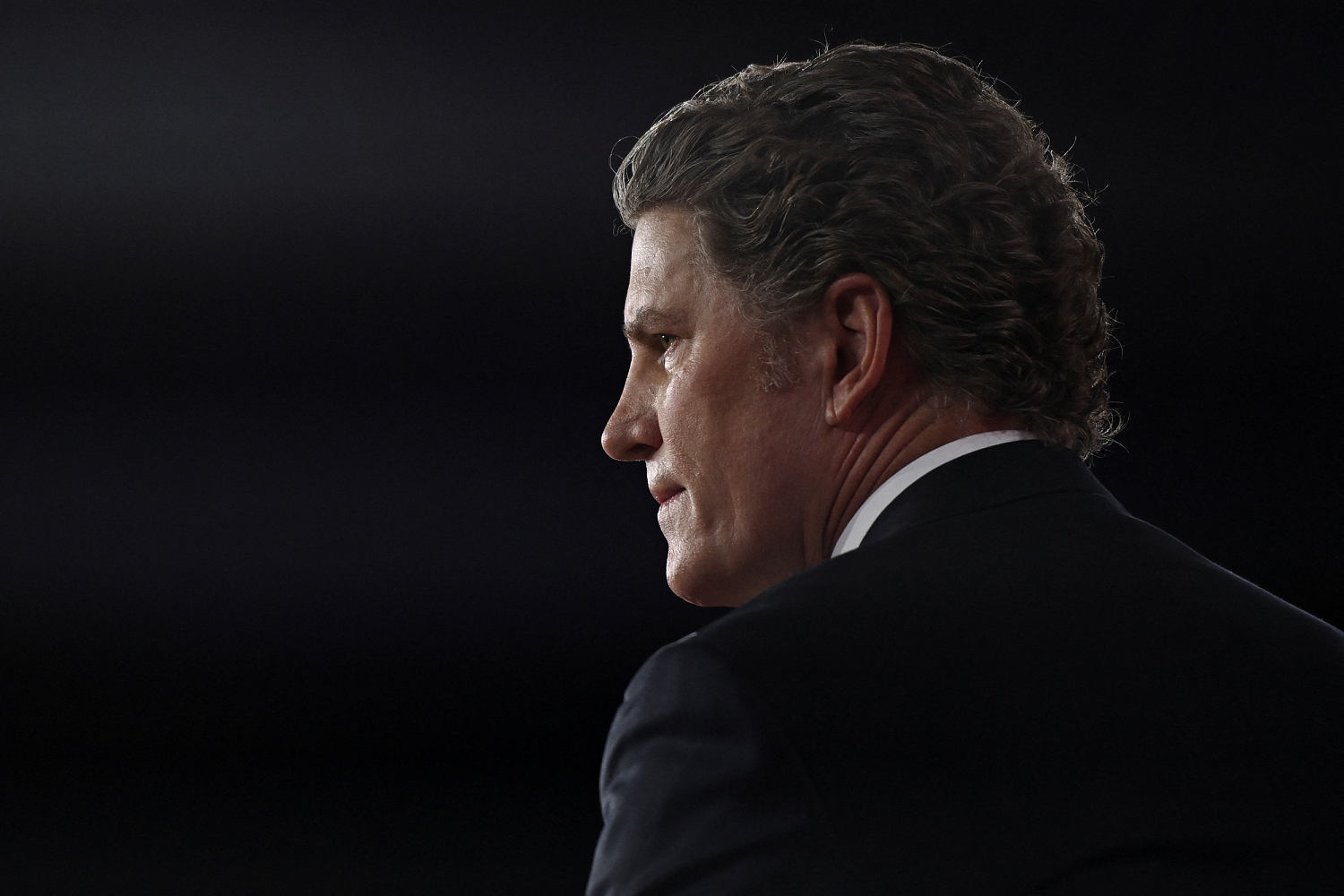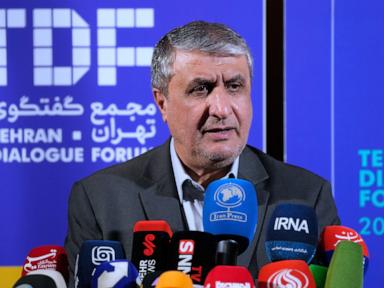
Diplomatic channels function as pressure release valves during periods of heightened geopolitical friction. When access to international forums is restricted, the structural mechanism for de-escalation degrades. The decision by the United States and host authorities to deny sanctions waivers preventing Mohammad Eslami, head of the Atomic Energy Organization of Iran, from entering Vienna for the International Atomic Energy Agency General Conference represents a calculated shift from engagement to institutional exclusion.
This maneuver creates a distinct operational bottleneck. International bodies depend on physical proximity and direct ministerial communication to manage verification deadlocks. By utilizing international travel sanctions to block a principal state actor from the plenary floor, member states change the architecture of multilateral diplomacy.
The Mechanics of Institutional Exclusion
The denial of entry visas based on pre-existing sanctions frameworks illustrates a direct clash between bilateral enforcement tools and multilateral institutional mandates. The IAEA operates as a technical verification agency, yet its governance structure remains anchored to political dynamics driven by the United Nations Security Council and major state actors.
When a state official targeted by domestic or regional sanctions is simultaneously required to interface with a global watchdog, a jurisdictional conflict emerges. The United States defended the restriction by emphasizing that the individual remains subject to binding financial and travel controls. Conversely, Tehran frames the barrier as political interference that undermines the neutrality of the Vienna-based organization.
This dynamic triggers two immediate consequences within the diplomatic supply chain:
- Asymmetrical Information Exchange: Direct dialogue between the nuclear oversight body and the state leadership is replaced by mediated communiques, increasing the margin for miscalculation.
- Degraded Verification Access: Technical cooperation regarding safeguards and inspector access becomes secondary to political posturing, complicating efforts to monitor enriched material stockpiles.
Verification Deficits and Strategic Uncertainty
The absence of high-level Iranian representation at the General Conference occurs against a backdrop of chronic verification challenges. Independent estimates and agency reports indicate persistent difficulties in maintaining continuous oversight of material inventories, particularly concerning uranium enriched up to sixty percent purity.
When communication channels narrow, the feedback loop between technical demands and political compliance breaks down. The agency requires unobstructed inspections to confirm the exclusively peaceful nature of nuclear programs. However, when member states weaponize administrative procedures such as visa denials, the target state frequently responds by curtailing voluntary transparency measures.
The resulting environment is characterized by high strategic uncertainty. Without face-to-face negotiations in neutral venues, technical disputes regarding monitoring equipment, camera feeds, and inspector accreditations transform into intractable political crises.
Strategic Forecast
The normalization of travel restrictions against senior state delegates to international organizations signals a permanent contraction of traditional diplomacy. As multilateral platforms become extensions of bilateral sanction regimes, their capacity to mediate technical disputes diminishes. Future engagements will likely bypass formal conferences entirely, shifting toward opaque backchannel talks or intensifying open confrontation, leaving technical verification agencies with fewer tools to secure compliance.