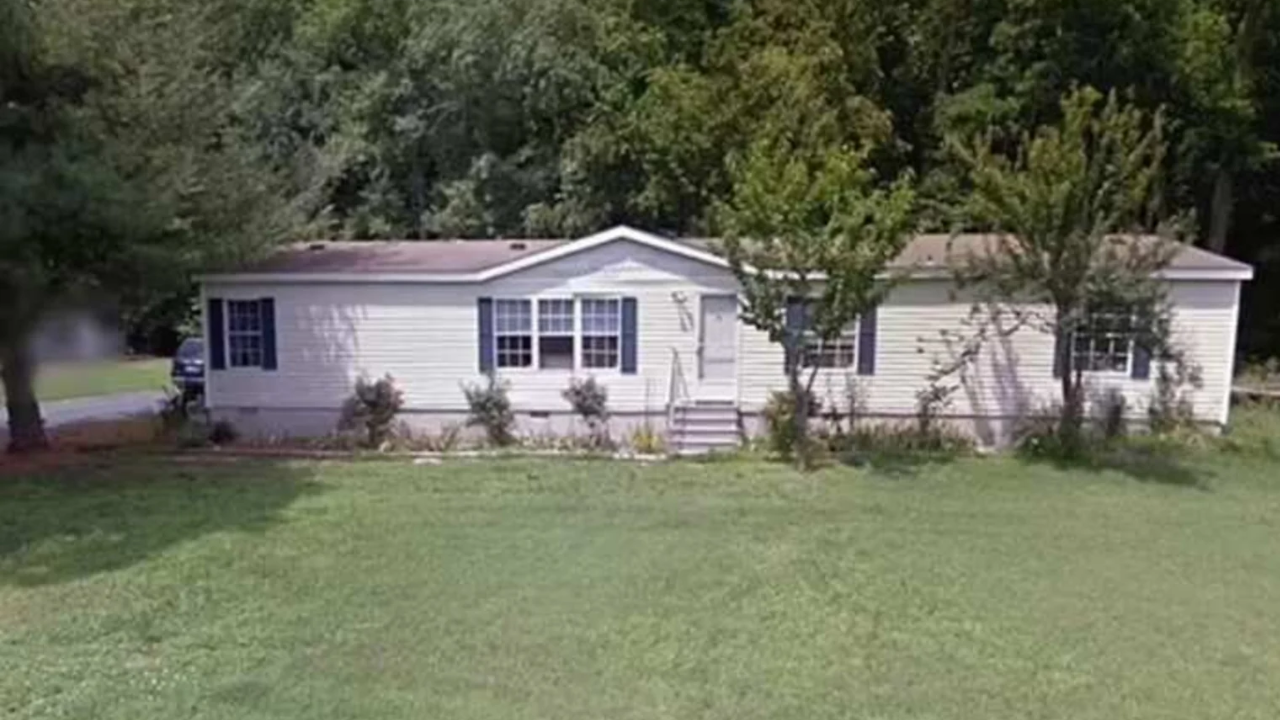
Imagine mowing the same strip of grass for two decades, planting shrubs along the edge, and treating that yard like your own, only for a new neighbor to wave a survey in your face and demand $30,000 for the privilege of keeping it. That exact scenario played out in Delaware, and the homeowners fought back in court and won.
Property boundary disputes get ugly fast. You buy a house, assume the fence line or treeline marks your turf, and live your life. Years later, someone pulls out an old deed or hires a surveyor, and suddenly a slice of your backyard legally belongs to the person next door. In the Delaware case, the couple had maintained and used the disputed backyard land openly for 20 years, which triggered one of the oldest and most misunderstood rules in real estate law. For a different view, consider: this related article.
The neighbors didn't just ask for the land back. They demanded $30,000 from the couple to settle the boundary issue. Instead of writing a massive check under pressure, the homeowners leaned on Delaware's adverse possession statute, proving their uninterrupted, exclusive use of the yard met the strict legal threshold required to claim title.
How Adverse Possession Actually Works in Delaware
Most people hear "squatter's rights" and think of someone breaking into an abandoned building. That's a completely different mess. Adverse possession between neighbors is usually an honest mistake baked into decades of yard work, misplaced fences, and unverified property lines. Similar coverage regarding this has been shared by USA Today.
Under Delaware law, specifically Title 10, Section 7901 of the Delaware Code, the statutory period for adverse possession is 20 years. You can't just step onto someone's grass for a summer and claim it. You have to prove five distinct elements in the Delaware Court of Chancery, which handles property and equity disputes in the state.
- Open and notorious use. You can't hide what you're doing. Mowing the lawn, building a shed, planting gardens, or putting up a fence puts the true owner on visible notice that you're treating the land as yours.
- Exclusive possession. You and your household use the strip as an owner would, rather than sharing it casually with the neighbor or the general public.
- Continuous and uninterrupted occupation. The clock runs for a full 20 years without the legal owner stepping in to reclaim the dirt or stop your use.
- Hostile or adverse claim. In legal terms, "hostile" doesn't mean screaming over the hedge. It simply means you're occupying the land without the true owner's permission.
- Actual possession. You physically maintain, improve, or control the ground rather than just claiming it on paper.
Miss even one of those five pillars and your case falls apart. If the neighbor gave you written or verbal permission to mow that strip ten years ago, your possession isn't hostile anymore, and the 20-year clock never even started.
Why the $30,000 Demand Backfired
Demanding money in a boundary dispute is a classic high-stakes gamble. When a neighbor discovers via a modern land survey that a fence or patio sits a few feet over the deeded line, they often see dollar signs or leverage. They figure the encroaching homeowner will pay up just to avoid tearing down landscaping or losing yard space.
Here's the problem with that strategy. Once 20 years have passed in Delaware, the legal title has effectively shifted in equity, even if the county recorder's office hasn't updated the deed yet. Asking for $30,000 to "sell" land that the other party has already earned through two decades of continuous maintenance pushes people straight to a real estate litigation attorney.
I've seen boundary negotiations go sideways the second someone throws out an arbitrary cash demand. People who might happily split the cost of a new fence or sign a simple easement agreement suddenly dig their heels in when they feel extorted. In the Delaware dispute, the couple refused to pay the $30,000 ransom, took their evidence of 20 years of yard care to court, and walked away with the land.
What Most Homeowners Get Wrong About Property Surveys
You'd be shocked how many people buy a home without getting a fresh boundary survey. Title insurance companies often exclude boundary discrepancies unless you pay extra for a specific survey endorsement, and buyers trying to save $600 to $1,200 at closing routinely skip the surveyor altogether.
Then twenty years roll by.
Old wooden stakes rot away. Iron pins get buried under six inches of mulch or pulled up during utility work. Meanwhile, homeowners plant arborvitae trees along what looks like the edge of the yard, or a previous owner builds a deck three feet over the line. By the time someone orders a modern GPS-backed survey, the physical reality of the neighborhood no longer matches the paper descriptions filed at the county courthouse.
If you're buying a house, or if a new neighbor just moved in next door and started eyeing the treeline, waiting around is the worst move you can make.
The Permission Trap
Here's a twist that catches people off guard. Suppose you notice your neighbor's new garden bed creeps two feet onto your property. You want to be nice, so you say nothing. Big mistake. Silence lets the 20-year adverse possession clock tick forward in Delaware.
Conversely, if you send a polite, dated letter or email saying, "Hey, I noticed the garden bed crosses the survey line, and I'm totally fine with you keeping it there for now with my permission," you just killed their future adverse possession claim dead in its tracks. Because permission destroys the "hostile" requirement, they can tend those tomatoes for fifty years and never take legal ownership of your soil.
Gathering Proof When a Boundary Fight Starts
Winning an adverse possession case isn't about who tells the best story on the witness stand. Judges in the Delaware Court of Chancery want hard, dated proof spanning the full two decades.
If you ever find yourself defending land you've maintained for years, your best weapons are sitting in old photo albums and tax records.
- Dated photographs and aerial imagery. Google Earth historical imagery, county GIS aerial maps, and old family photos showing swing sets, fences, or mowed grass lines prove where the boundary was treated as fixed over time.
- Receipts and contractor invoices. Landscaping bills, tree trimming receipts, fencing invoices, and receipts for mulch or sod demonstrate active, open maintenance of that exact strip.
- Affidavits from former owners and longtime neighbors. Testimony from the person who sold you the house—or the elderly neighbor across the street who watched you mow that grass every Saturday since 2006—carries serious weight.
- Property tax and HOA records. While paying property taxes isn't always a strict statutory prerequisite in Delaware the way it is in states like California, showing consistent ownership behavior reinforces your position.
State Laws Vary Wildly on the Clock
Delaware's 20-year requirement sits on the stricter end of the national spectrum, alongside states like Illinois, New Jersey, and North Carolina. Other states move much faster, which means a boundary mistake can become permanent before you even pay off half your mortgage.
In California, for instance, the statutory period is just 5 years, though the claimant must also prove they paid property taxes on the disputed strip. Texas uses a 10-year window for standard adverse possession without a deed, while Florida sets the bar at 7 years. Pennsylvania mirrors Delaware at 21 years for most residential boundary disputes.
Knowing your state's exact timeline changes how urgently you need to act when a fence goes up in the wrong spot. In a 5-year or 7-year state, ignoring an encroaching shed during a busy decade of raising kids can permanently shrink your lot size.
Practical Steps to Protect Your Yard Right Now
Don't wait until a neighbor hands you a demand letter for tens of thousands of dollars to figure out where your dirt ends. Pull your closing packet from when you bought your home and check if a boundary survey was actually completed, not just a mortgage location drawing, which isn't legally binding for property lines.
Walk your perimeter and locate the metal survey pins at the corners of your lot using a cheap metal detector if they're buried under grass. If a neighbor's fence, driveway, or landscaping crosses onto your side, document it with dated photos and put a written permission agreement in place immediately so the adverse possession clock stops running. And if you're the one who has maintained a strip of yard for years and a neighbor suddenly demands cash for it, talk to a local real estate litigation attorney before signing anything or paying a dime.

