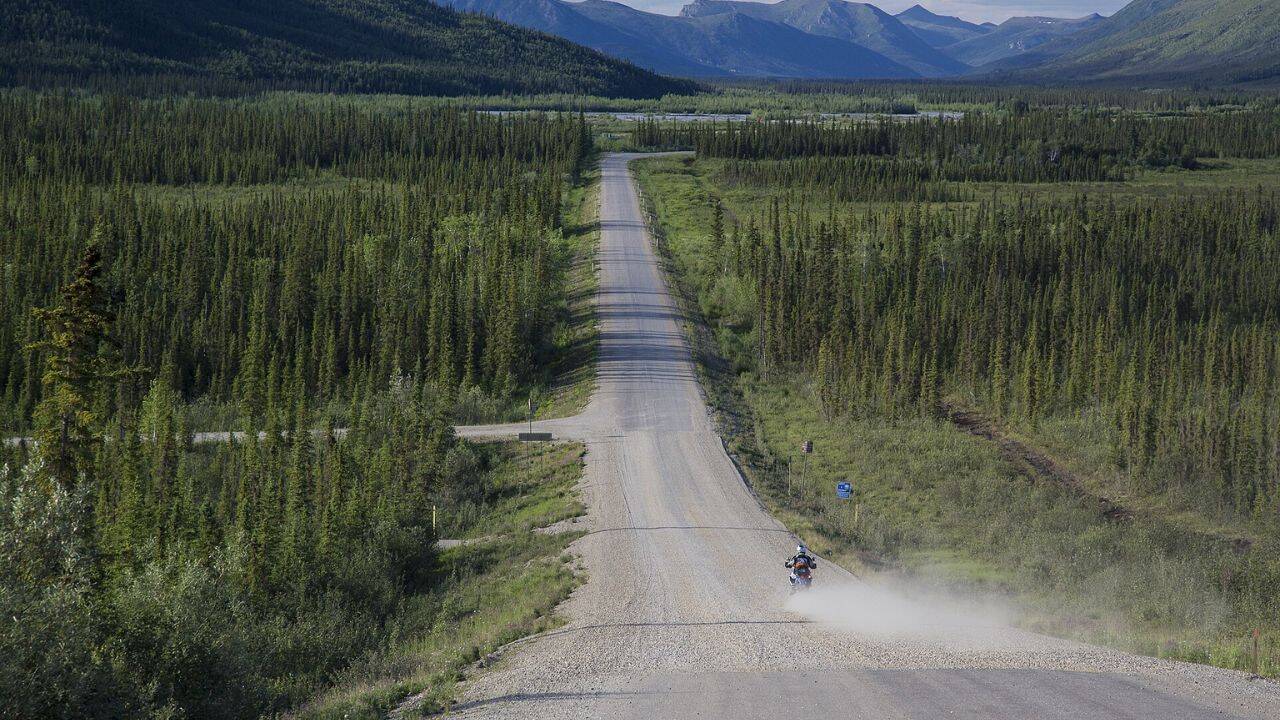
The Dalton Highway is a scar carved into the Alaskan wilderness. Stretching 414 miles from the Elliott Highway north of Fairbanks to the oil fields of Deadhorse on the Arctic Ocean, it serves as the primary supply artery for the Trans-Alaska Pipeline System. Yet, a specific 240-mile desolate corridor between the Yukon River and the foot of the Brooks Range represents one of the most punishing and unforgiving stretches of road in North America.
For the uninitiated, this middle section offers no cellular service, no gas stations, no permanent medical facilities, and very little margin for error. Travelers navigating this artery encounter gravel surfaces slicker than ice when wet, massive haul trucks throwing up blinding clouds of calcium chloride dust or gravel shrapnel, and weather patterns capable of shifting from mild sunshine to whiteout blizzard conditions within an hour. Understanding the mechanics of surviving this route requires peeling back the romanticized travelogue veneer to examine the raw, operational reality of sub-arctic transit.
The Industrial Reality Behind the Scenic Drive
Popular culture often paints the Dalton Highway as the ultimate overlanding adventure. Reality tells a much harsher story. The road was engineered primarily for industrial freight, built in 1974 to support the construction of the pipeline. Heavy transport operators rule these gravel miles. Eighteen-wheelers hauling drilling mud, fuel, and heavy machinery do not yield to standard passenger vehicles or rented camper vans.
Driving this corridor demands a specific set of defensive driving techniques. Commercial haulers rely on two-way radio channels, commonly referred to as CB channel 19 or specific milepost channels, to announce their positions around blind curves and steep grades. Civilian travelers who fail to monitor these frequencies operate blind.
- The Dust Hazard: During dry summer months, semi-trucks traveling at high speeds create visibility-zero dust clouds. Drivers must pull entirely off the road when a truck approaches to avoid head-on collisions or windshield destruction from flying gravel.
- The Mud Hazard: Rain transforms the clay and crushed rock surface into an unpredictable slurry. Traction disappears instantly, sending unprepared vehicles sliding toward steep embankments or roadside ditches.
- The Grade Factor: Steep inclines such as Prospect Creek and Atigun Pass test transmission cooling systems and brake pads to absolute failure points.
Vehicle Preparation and Equipment Failures
Mechanical breakdown on the Dalton Highway carries severe risks. Towing services from Fairbanks or Coldfoot can cost thousands of dollars, assuming a satellite communication device works well enough to summon help. Most standard rental car agreements explicitly prohibit driving on the Dalton Highway, and towing companies routinely track unauthorized vehicles via GPS transponders.
Private vehicle preparation requires more than a simple oil check. Standard passenger cars with low clearance and fragile suspension components face almost guaranteed structural damage from potholes and washboard surfaces.
Essential Rigging Checklist for Sub-Arctic Transit:
* Minimum of two full-sized, heavy-duty spare tires mounted on rims
* Heavy-gauge steel wire or tow straps rated for vehicle recovery
* High-output 12-volt air compressor and tire repair plug kits
* Extra fuel canisters securely mounted outside the cabin
* Comprehensive winter survival kit including sub-zero sleeping bags
Tire shredding is the single most common mechanical failure on the route. The sharp shale and crushed rock used for road grading act like razor blades on standard highway-tread tires. Drivers must install heavy-duty, 10-ply all-terrain or mud-terrain tires with robust sidewall protection before attempting the journey.
The Illusion of Infrastructure at Coldfoot and Wiseman
Roughly halfway up the route lies Coldfoot, a former mining camp that now functions as the primary hub for services between Fairbanks and Deadhorse. Travelers often treat Coldfoot as a modern oasis. In truth, it is a bare-bones industrial outpost.
While Coldfoot features a cafe, a modest motel made of converted pipeline camp modules, and a Bureau of Land Management visitor contact station, fuel prices often rank among the highest in the nation due to the immense transport costs required to haul diesel up the haul road. Furthermore, vehicle repair capabilities are strictly limited. Mechanics at the local truck shop prioritize commercial pipeline freight vehicles. A blown transmission or a sheared axle on a personal vehicle will not be fixed locally.
Just north of Coldfoot sits Wiseman, a historic gold-mining settlement inhabited by a small handful of hardy year-round residents. Relying on Wiseman for emergency assistance is a dangerous gamble. Residents maintain a self-reliant lifestyle and do not operate commercial rescue or towing operations for stranded tourists.
Weather Extremes and Seasonal Traps
The 240-mile corridor undergoes radical transformations depending on the calendar. Summer brings perpetual daylight, massive swarms of mosquitoes, and shifting mud. Winter brings absolute darkness, ferocious winds, and temperatures plunging to minus sixty degrees Fahrenheit or lower.
Atigun Pass, situated at milepost 244, marks the highest highway pass in Alaska at 4,739 feet. This mountain crossing acts as a meteorological battleground where maritime air masses from the Gulf of Alaska collide with Arctic air sweeping down from the polar basin. Avalanches, sudden snow squalls, and black ice can shut down the pass without warning, trapping motorists between miles of wilderness with no shelter.
Hypothermia represents a silent and rapid threat. Even during July, a minor vehicle accident that disables the engine can leave occupants vulnerable to freezing temperatures if wind chill factors drop rapidly. Survival requires maintaining continuous heating capabilities or possessing standalone emergency shelter gear capable of retaining body heat in sub-zero environments.
Logistics, Communication, and Emergency Response
Cellular coverage ceases entirely a short distance north of Fairbanks, returning only briefly in select industrial pockets. Relying on standard smartphones for navigation or emergency calls is a critical mistake.
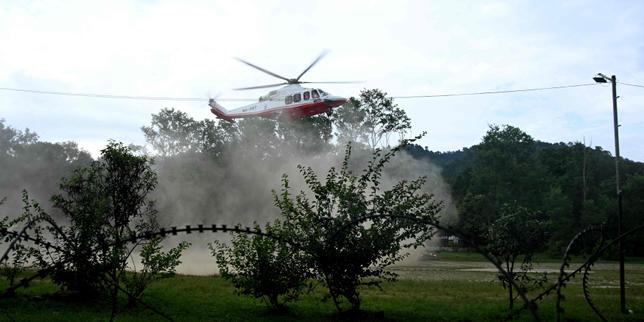
Experienced operators utilize hard-wired satellite messengers or marine-band VHF radios. When an emergency occurs, response times from Alaska State Troopers or remote medical units measured in hours or even days are standard. Emergency medical evacuation via fixed-wing aircraft or helicopter depends entirely on weather clarity. If a blizzard grounds aviation assets, injured or stranded travelers must sustain themselves until conditions permit rescue operations.
Understanding the magnitude of this route strips away the romanticism often peddled by travel brochures. The Dalton Highway does not forgive poor planning, mechanical neglect, or casual arrogance. Those who cross its remote miles successfully do so through rigorous preparation, profound respect for the industrial operators who keep the state running, and the sober recognition that nature holds absolute control over every mile of gravel.