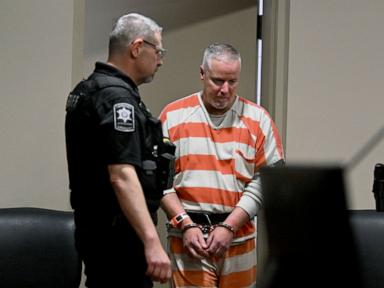
The legal scaffolding holding accountable parents of mass shooters is shaking. Colin Gray, the Georgia father convicted of second-degree murder after gifting his teenage son the rifle used in the 2024 Apalachee High School massacre, has officially filed a motion for a new trial. Just days after receiving a 15-year prison sentence, Gray's defense attorneys argue that the verdict is contrary to evidence, unsupported by law, and an overreach of the principles of justice. This move triggers a high-stakes constitutional battleground. It forces prosecutors, appellate judges, and legal scholars to re-examine where parental negligence ends and direct criminal culpability begins.
When a Barrow County jury found Gray guilty on 29 counts—including second-degree murder and involuntary manslaughter—it marked a chilling milestone. He became the first parent in the United States convicted of murder for a mass school shooting perpetrated by their child. This verdict followed the historic convictions of Jennifer and James Crumbley in Michigan, who received 10-year sentences for involuntary manslaughter after their son carried out the Oxford High School shooting. Yet the legal theories underpinning these prosecutions are fundamentally distinct, and Gray's post-trial challenge exposes deep fractures in how the American justice system assigns collective blame for individual atrocities.
The Fault Lines of Culpability
The core of the defense motion centers on a sharp distinction: foresight versus hindsight. During the trial, prosecutors laid out a devastating timeline of missed warnings. Law enforcement had previously visited the Gray household regarding online threats made by the teenager. Family members, including the boy's mother, had voiced urgent concerns. Despite these red flags, Colin Gray purchased an AR-style platform rifle as a holiday gift for his 14-year-old son, left it accessible in the home, and failed to secure it with available locks.
The state argued that buying the weapon under those conditions constituted a reckless disregard for human life. The jury agreed.
However, the defense counters that the verdict effectively erases the boundary between a parent who intended harm and one who simply failed to accurately gauge a child's hidden, erratic psychology. During sentencing, even the presiding judge acknowledged that Gray did not pull the trigger, did not know his son's specific plans, and harbored no malicious intent. By slapping a 15-year prison term on a parent for a crime committed by another, critics of the verdict argue the court stretched second-degree murder past its historical breaking point.
Uncharted Legal Territory
The prosecution of parents in mass casualty events is changing criminal law in real time. For decades, the legal system treated mass shooters as isolated actors, operating under the assumption that criminal intent cannot be outsourced or inherited. Parents might face public shaming or civil liability, but criminal prosecutors rarely touched them.
The Crumbley and Gray cases shattered that precedent. Prosecutors are utilizing broad statutes—such as child cruelty leading to death or gross negligence manslaughter—to fill a perceived accountability void. The societal demand for retribution is immense. When four people are dead and dozens are maimed, a life sentence for a teenage shooter feels like only half an equation to grieving families.
Yet expanding criminal liability creates profound ambiguity for future cases. If a parent is legally culpable for purchasing a firearm that a minor later accesses, every household with a gun and a struggling adolescent is standing on a legal fault line. The defense motion for a new trial emphasizes this exact slippery slope. If a teenager actively conceals their online radicalization—hiding true intentions behind a facade of normal family interactions, guitar playing, and video games—at what exact point does parental oversight cross the line into a felony?
The Ripple Effects on Gun Safety and Prosecution
This appeal will test the limits of prosecutorial overreach versus community safety. Appellate courts in Georgia must now decide whether the evidence presented at trial legally supports a murder conviction, or if the emotional gravity of the tragedy improperly influenced the jury's interpretation of criminal negligence.
If the conviction stands, it cements a permanent structural shift in American jurisprudence. Parents will no longer be viewed merely as guardians of children, but as potential co-conspirators in negligence if a firearm is left unsecured in the presence of mental instability. If the conviction is overturned or significantly modified, it will pull the brakes on a wave of parental prosecutions that many district attorneys across the country are eager to replicate.
The legal system is attempting to legislate prevention through retroactive punishment. Whether that framework can survive appellate scrutiny remains the defining constitutional question of this era.