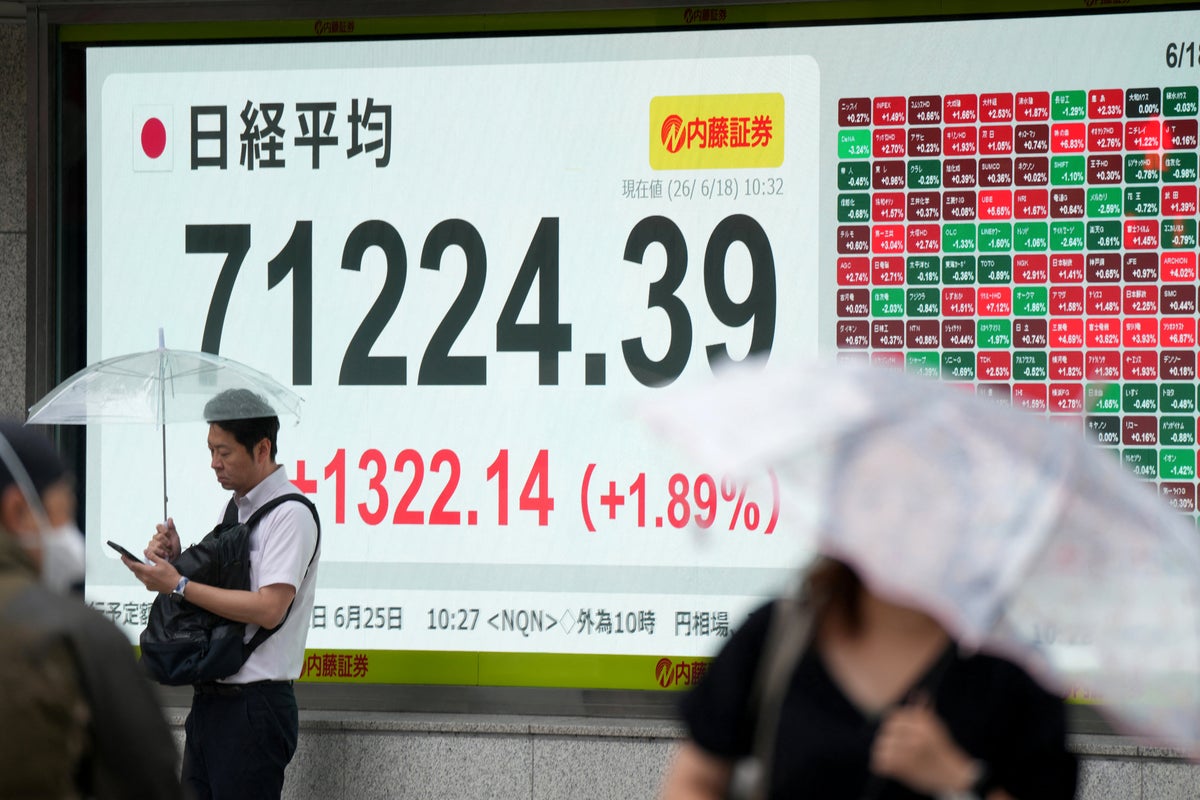
The global financial markets are currently staging a massive sigh of relief, but the celebration is premature. Following the announcement of an interim memorandum of understanding between Washington and Tehran to wind down their 110-day war, Brent crude has plummeted from its April peak of $126 down to the high $70s. Asian equity indexes, particularly in oil-dependent capitals like New Delhi and Tokyo, are ticking sharply upward. Yet, interviews with maritime insurers, logistics executives, and naval intelligence analysts reveal that the apparent resolution of the 2026 Strait of Hormuz crisis is a fragile illusion. The physical, financial, and geopolitical architecture of global energy transport has suffered structural fractures that a diplomatic handshake in Switzerland cannot instantly heal.
The superficial narrative presented to retail investors suggests that flipping a political switch will immediately restore the flow of 20 million barrels of oil per day. It will not. The reality on the water is a logistical nightmare that will take the better part of a year to unravel.
The Logistics of a Ghost Strait
Below the surface of shifting commodity tickers lies a stark physical bottleneck. Since the conflict erupted on February 28, commercial traffic through the world’s most critical choke point dropped from roughly 100 vessels a day to a mere trickle. At one point, a backlog of over 1,500 vessels accumulated in and around the Persian Gulf.
Clearing this backlog involves far more than simply signaling anchors aweigh. Hundreds of ships have been sitting stationary for months in warm, tropical seawater. This environment accelerates severe marine biofouling. Heavy encrustations of barnacles, mussels, and tubeworms have blanketed hulls and invaded internal cooling systems.
Operating a vessel with a heavily fouled hull destroys its aerodynamic efficiency and compromises engine performance. Many of these tankers cannot safely make a long-distance ocean voyage without undergoing hull cleaning or dry-dock inspection. The regional capacity for underwater hull cleaning is entirely overwhelmed. Ships will have to wait in line just to be scraped clean enough to sail safely at normal speeds.
Furthermore, the naval theater remains an active hazard zone. During the height of the blockade, the Islamic Revolutionary Guard Corps deployed a sophisticated network of sea mines and anti-ship drone infrastructure across the narrow shipping lanes. Commercial operators are refusing to enter the strait until independent mine-sweeping operations provide formal safety certifications.
Naval forces must systematically clear these waters, a meticulous and slow process. A single overlooked contact mine could instantly detonate a two-million-barrel crude cargo, re-igniting the global energy crisis in a matter of seconds.
The Hidden Cost of Commercial Risk
Politicians can declare an end to military operations, but they do not dictate the terms of global maritime commerce. Commercial insurance syndicates do.
Before the first strikes landed in late February, a standard war-risk insurance premium for transiting the Strait of Hormuz cost roughly 0.25% of the total vessel value. At the height of the 110-day conflict, those premiums skyrocketed to between 3% and 8%. For a modern Very Large Crude Carrier valued at $120 million, that translates to millions of dollars in insurance costs for a single transit.
Strait of Hormuz War-Risk Insurance Premiums (2026)
Pre-Conflict Rate:  0.25% of vessel value
Peak-Conflict Rate: 3.00% - 8.00% of vessel value
Current Post-Deal:  Gradually adjusting, remaining well above historic baselines
Lloyd’s of London underwriters are not known for emotional reactions. They require verifiable, sustained stability before altering risk formulas. Underwriters have indicated that war-risk premiums will decline at a painfully slow pace, staying significantly above pre-war baselines for the remainder of 2026. This financial penalty acts as a hidden tariff on every barrel of oil moving out of the region.
The labor economics of maritime shipping have also transformed. Merchant mariner unions successfully secured high-risk hazard pay and the absolute right of refusal for crews ordered into the Persian Gulf. Those labor contracts cannot be torn up overnight. Ship owners face significantly elevated operating costs, which will be passed directly to refiners and, ultimately, consumers at the pump.
Concessions Wrapped in Victory Rhetoric
While Washington proclaims the interim agreement as a triumph of economic pressure, a cold analysis of the text reveals deep Western concessions. The central issue that triggered the conflict—Iran's highly enriched uranium stockpile—has not been resolved; it has merely been paused.
Under the terms of the memorandum, Iran agreed to down-blend its 440-kilogram stockpile of 60% enriched uranium on its own soil, under International Atomic Energy Agency supervision. This is a massive shift from Washington's original demand that the material be physically removed from the country. Iran successfully protected its domestic enrichment infrastructure while maintaining the technical knowledge required to reactivate the program at short notice.
In exchange for this internal dilution, the U.S. Treasury agreed to issue immediate waivers for Iranian crude oil exports and associated banking transactions.
"The sanctions waivers give Tehran immediate access to legitimate, non-discounted global oil revenues before a final nuclear framework is even drafted."
💡 You might also like: Mark Carney Is Not Canada’s Savior He Is Its Liquidation Manager
Throughout the blockade, Iran managed to move significant volumes of oil via its "shadow fleet" directly to independent refiners in China. However, Beijing demanded steep, predatory discounts reaching up to $30 a barrel to compensate for the enforcement risk. The new U.S. waivers eliminate this discount. Iran can now sell its oil openly at full market prices, rapidly replenishing its state coffers. This reality undercuts the leverage Western negotiators hoped to wield during the upcoming 60-day negotiation window.
The Permanent Scars on the Global South
The market bounce in Asian equities ignores the deep, systemic damage inflicted upon developing economies during the three-month blockade. Industrial powerhouses like India have spent the last 110 days burning through precious foreign exchange reserves to purchase emergency oil shipments from West Africa and the U.S. Gulf Coast at extreme premiums.
The Indian rupee plunged to historic lows against the dollar this spring. While New Delhi's trade officials have publicly welcomed the reopening of the strait, the country's manufacturing sector is reeling from months of inflated energy input costs.
The lesson learned by Asian economic planners is clear: the reliance on just-in-time oil deliveries through a single vulnerable waterway is a structural vulnerability that cannot be tolerated.
Central banks across South and East Asia are already shifting their long-term strategies. Governments are drafting plans to drastically expand their Strategic Petroleum Reserves. Instead of maintaining the traditional 90 days of forward import cover, several nations are preparing to build permanent, costly storage facilities capable of holding a six-to-nine-month supply.
This structural shift means that even as immediate spot prices drop, billions of dollars of capital will be diverted from productive economic infrastructure into stagnant, state-funded oil storage. The capital inefficiency forced by this crisis will act as a drag on Asian GDP growth for years to come.
The Production Reality Check
Traders selling off oil contracts assume that Middle Eastern production can simply be dialed back up to maximum capacity by next week. This reveals a fundamental misunderstanding of reservoir engineering.
When the strait closed and storage facilities across Kuwait, Iraq, and the UAE filled to maximum capacity, extraction companies were forced to shut down active wells. Shutting in an oil well is not like turning off a water tap.
When an oil well sits idle, the pressure dynamics within the subterranean reservoir change. Fluid levels shift, and fine particulate matter can settle, permanently damaging the permeability of the rock formation. Bringing these wells back online requires specialized engineering interventions, well-flushing, and careful pressure management.
In some cases, wells that were producing highly profitable, easily extractable crude before the war will resume operations at permanently reduced flow rates. The damage to the physical production infrastructure means that the return of actual, physical oil volumes to the market will lag far behind the paper promises traded on Wall Street.
The euphoria driving the current stock market rally assumes a return to the pre-February status quo. It ignores the barnacles on the hulls, the mines in the water, the permanent damage to oil reservoirs, and the structural rewriting of the geopolitical rules of the game. The Strait of Hormuz is technically open, but the cheap energy paradigm that fueled the global economy for decades remains dead.


