Walk into any crowded convention center where digital assets are traded, and you will hear a specific kind of hum. It is the sound of thousands of people trying to predict the future with mathematical equations. For years, this world belonged to the libertarians, the coders, and the financial outlaws who believed that software could replace the state. They spoke in a dialect of cryptography and decentralization.
Then, the rules changed.
The shift did not happen because of a breakthrough in blockchain efficiency or a sudden stabilization of token values. It happened because a singular political figure realized that digital tokens are not just financial instruments. They are tokens of loyalty. Donald Trump’s deep dive into the crypto ecosystem over the last few years represents something far more profound than a simple investment strategy or a pivot in campaign fundraising. It is a masterclass in how modern power is consolidated, traded, and weaponized.
To understand how a former president who once dismissed Bitcoin as a scam based on thin air became the undisputed champion of the crypto crowd, you have to look past the balance sheets. You have to look at the human transaction.
The Convert at the Podium
Picture a stage bathed in neon light. The crowd is younger than the typical political rally, dressed in hoodies and sneakers rather than suits. They have spent a decade being told by regulators, traditional banks, and mainstream economists that their passion is a dangerous illusion. They feel misunderstood. They feel hunted.
When Trump took the stage at a massive Bitcoin conference, he did not offer them an economic lecture. He offered them validation.
Political alignment is rarely driven by pure logic; it is driven by the desire to be seen. By embracing a community that felt backed into a corner by federal oversight, a bond was forged. The message was unmistakable: your enemies are my enemies. In that moment, the skepticism of the past vanished. The narrative transformed from a technical debate about monetary policy into an existential fight for freedom, with one man promising to act as the shield.
This is the alchemy of modern politics. Influence is no longer built solely on party platforms or legislative promises. It is built on shared grievances. The crypto community wanted legitimacy, and Trump wanted a highly motivated, financially capable base of support. The alignment was instant.
The Digital Campaign Chest
Consider the mechanics of the traditional political donation. A supporter writes a check, the money disappears into a massive corporate political action committee, and the donor receives a generic thank-you email. The connection is transactional, cold, and entirely one-sided.
Now, look at the alternative.
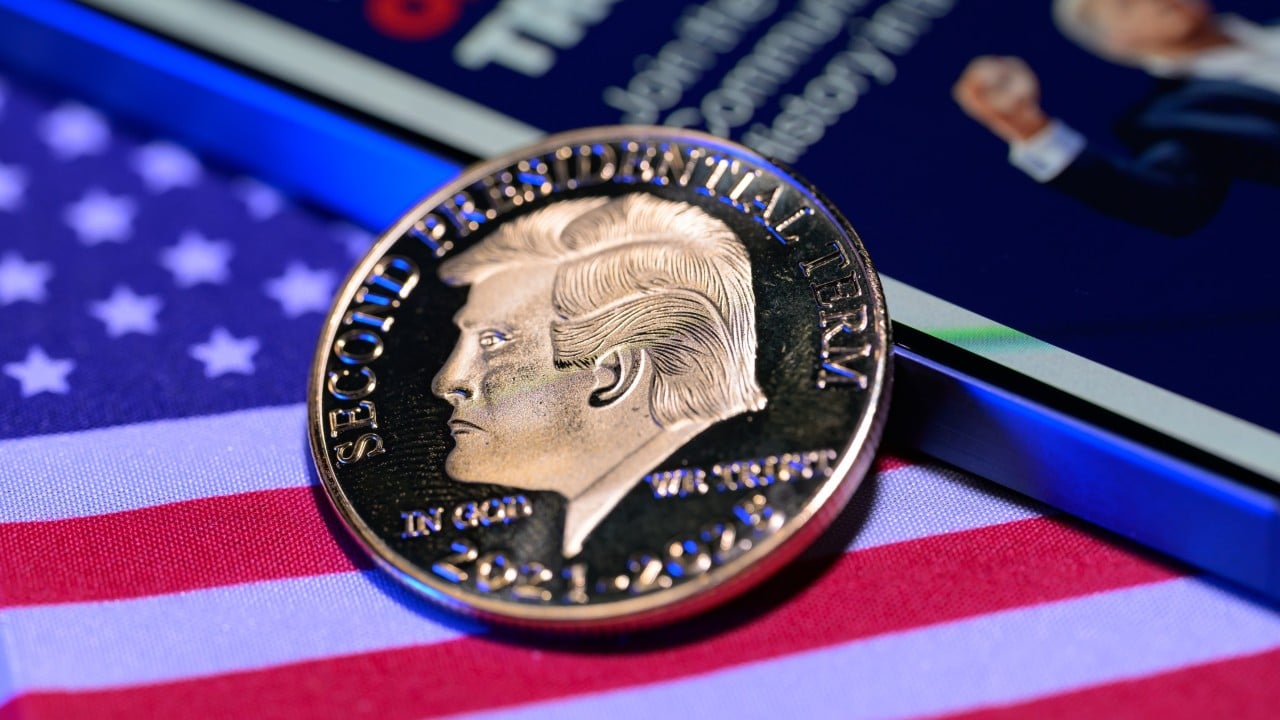
When a political movement launches its own digital collectibles or endorses specific tokens, the entire dynamic shifts. A supporter is no longer just a donor; they are a stakeholder. When they purchase a digital asset tied to a political figure, they possess a piece of the brand. If the politician succeeds, the asset potentially gains value. The supporter's financial well-being becomes directly intertwined with the political fortune of the candidate.
This creates a terrifyingly effective feedback loop. Loyalty ceases to be a passive belief system and becomes a financial asset class. Every speech, every poll numbers spike, and every election victory directly impacts the perceived value of the community's portfolio. It is an entirely new form of political mobilization, one where the line between investing and voting is completely erased.
The numbers backing this strategy are staggering, but the human behavior behind the numbers is what truly matters. People protect what they own. By giving his base a literal piece of the action, Trump turned standard political loyalty into an army of active market participants who view his success as their own financial survival.
The Regulatory Tug of War
The true battlefield, however, is not the marketplace. It is Washington. For years, federal agencies have viewed the digital asset space with deep suspicion, launching lawsuits and enforcing strict crackdowns to bring the volatile market to heel. For the average crypto enthusiast, names like the Securities and Exchange Commission evoke pure dread.
Into this tension stepped a promise: the complete dismantling of the current regulatory approach.
For a developer who has spent years building a startup under the threat of sudden government closure, the promise of a friendly regulatory environment is not an abstract political talking point. It is a lifeline. Trump’s pledge to replace hostile regulators with industry allies acted as a lightning rod. It immediately redirected the vast financial and intellectual resources of the tech sector toward a single political goal.
But this strategy carries an undercurrent of risk that many refuse to acknowledge. When an industry ties its entire regulatory future to the fortunes of one individual, it trades systemic stability for personal protection. If that individual wins, the rewards are immense. If they lose, the backlash from an emboldened opposition can be devastating.
The tragedy of this gamble is that it forces a decentralized technology to depend entirely on a highly centralized center of political power. The irony is thick enough to choke on. A technology built to break free from the control of powerful individuals is now deeply reliant on the ultimate insider.
The Echo Chamber of Value
Step back from the political rallies and look at how this plays out in everyday life. Think of a young investor sitting in front of a glowing monitor late at night. They watch the charts tick upward, fueled by a positive mention in a political speech. They feel a rush of validation, a sense of belonging to a movement that is finally winning.
This emotional high is the real currency being traded.
The traditional financial world operates on metrics like earnings reports, interest rates, and consumer price indices. The new political crypto world operates on sentiment, attention, and allegiance. A single post on a social media platform can shift billions of dollars in value, not because the underlying technology changed, but because the political winds shifted.
This creates an environment of extreme volatility, where the stakes are intensely personal. For the working-class supporters who put their savings into these assets, the fluctuations are not just numbers on a screen. They represent the ability to pay tuition, buy a home, or retire. The political figure becomes a shepherd, capable of guiding the flock to prosperity or leaving them exposed to sudden market corrections.
The power generated by this dynamic is unlike anything we have seen in modern history. It bypasses traditional media filters, ignores institutional gatekeepers, and establishes a direct, financially incentivized line of communication between a leader and millions of followers.
The digital ledger does not lie, but it also does not care about human consequences. It simply records the transactions. As the worlds of high finance and populist politics continue to merge, the true cost of this alliance will not be measured in tokens or dollars. It will be measured in the absolute devotion of a populace that has staked its future on the word of a single man. The hum of the convention floor continues, louder now, echoing with the sound of a gamble that has permanently rewritten the nature of power.