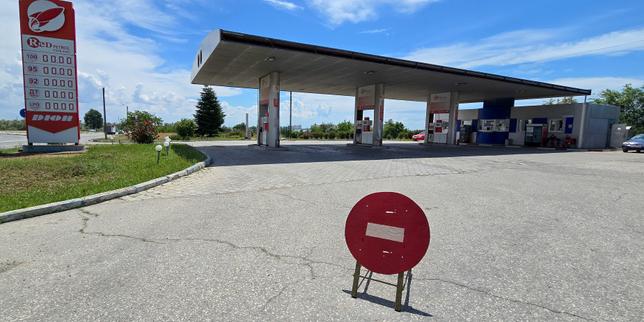
You can't run a war machine without gas. You can't even run a tourist economy without it. Right now, Russia-occupied Crimea is finding out what happens when the pumps completely dry up.
On June 21, 2026, the Kremlin-appointed governor of Crimea, Sergey Aksyonov, dropped a bombshell on social media. Starting immediately, the sale of all civilian fuel across the peninsula is banned. It doesn't matter if you have cash, a credit card, or official ration coupons. If you aren't a state enterprise or an emergency service ensuring the "security of the Republic," you aren't getting a drop.
This isn't a temporary hiccup. It's the worst energy crisis Crimea has faced since Vladimir Poutine illegally annexed the peninsula back in 2014. Kyiv has shifted its strategy toward choking out the Russian military's lifeblood, and it's working.
The Night That Crippled the Pumps
The immediate trigger for the ban was a massive, coordinated overnight barrage by Ukrainian long-range drones. This wasn't a random strike. It was a highly targeted operation aimed at the exact points where Russia moves and stores its oil.
Ukrainian President Volodymyr Zelensky took to social media to confirm the hits, describing them as "long-range sanctions." The damage reports show why the Kremlin panicked:
- The Kerch Oil Depot: A major storage hub inside occupied Crimea was heavily damaged.
- The Chushka Oil Terminal: Located just across the water in Russia's southern Krasnodar region, this Black Sea terminal caught fire after a direct drone hit.
- The Panagia Ferry: A vital transport vessel moving oil across the strait was struck, killing one person.
- Air Defense and Radar: The strikes knocked out four S-400 radar stations and two Pantsir air defense systems protecting these logistics hubs.
The human toll on the peninsula was stark, with local authorities reporting four people killed and 28 injured during the Kerch strikes. On top of the fuel freeze, the local utility provider Krymenergo reported widespread power outages hitting the northwest, central, and southern coasts of Crimea.
The Slow Suffocation of Crimea's Supply Chain
If you think this is just about one bad night of drone strikes, you're missing the bigger picture. This ban is the culmination of a months-long campaign. Back in May 2026, Ukrainian forces launched at least 16 major attacks against Russian refining and storage infrastructure, hitting eight of the country's ten largest refineries.
Crimea is uniquely vulnerable. It relies entirely on the Kerch Bridge and maritime ferries to get its fuel from mainland Russia. By targeting both the storage tanks on the peninsula and the ferries bringing new supplies across the strait, Ukraine has effectively cut the cord.
Before this absolute ban, the local government tried to manage the shortage with strict rationing. In late May, officials limited civilian drivers to just 20 liters of gasoline per week, distributed via digital coupons on a messaging app. Those vouchers disappeared within seconds of going live, leaving desperate motorists waiting in lines for hours at empty stations.
Black Markets and Stranded Tourists
The reality on the ground right now is chaotic. Local social media channels are flooded with residents trading tips on where to find hidden reserves. Speculators have swooped in, selling bootleg fuel at more than double the market price.
Some drivers have tried to take matters into their own hands by crossing the Kerch Bridge into Krasnodar to buy fuel and bring it back. But authorities have capped the amount of fuel a private vehicle can carry over the bridge at 100 liters, making it a drop in the bucket for the peninsula's actual needs.
The timing couldn't be worse for Moscow. It's June, the peak of the summer travel season. Crimea's economy relies heavily on Russian tourists driving down for beach vacations. Now, those tourists are stranded. Local authorities even had to set up a dedicated emergency hotline just to handle travelers who can't find enough gas to drive home.
In a rare move, the Kremlin publicly acknowledged the severity of the crisis and promised to fix it quickly. But saying you'll fix a supply chain and actually replacing bombed-out oil terminals while drones are still flying are two very different things.
What This Means for the Front Line
Ukraine's strategy isn't about making life miserable for civilians; it's about freezing the Russian military in place. Crimea serves as the primary logistics and staging base for Russia's military offensive in southern Ukraine. Tanks, armored vehicles, and supply trucks all draw from the same depots that have just been restricted.
By forcing Aksyonov to cut off civilians entirely, Ukraine has exposed how thin Russia's margins really are. The Kremlin is now forced to ration every single gallon, prioritizing military movements over the basic functioning of local society.
With Russian battlefield advances grinding to a halt elsewhere on the mainland, this logistical chokehold is changing the dynamic of the war. If Moscow can't secure its fuel terminals from long-range drone strikes, keeping Crimea supplied—let alone using it to launch new offensives—becomes an impossible task.
If you are currently tracking regional stability or analyzing supply chain risks in the Black Sea area, your immediate next move should be monitoring the operational status of the Kerch Bridge ferries. Any prolonged closure of the ferry system means the civilian fuel ban will likely transition into a strict military fuel rationing program next.