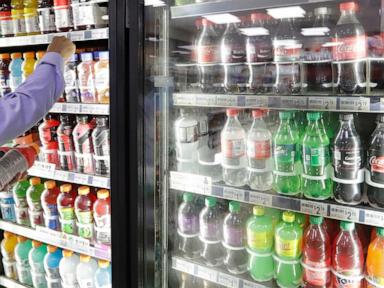
Walk into any neighborhood grocery store and the first thing you hear is the hum. It is a low, vibrating, industrial purr. It breathes from the open-air dairy cases, the frozen food aisles, and the massive walk-in coolers tucked behind the butcher’s counter. Most of us never notice it. We just reach for the gallon of whole milk, pay the bill, and complain about how much more expensive everything feels this year.
But behind that hum is a complex, invisible battleground of chemistry, environmental regulation, and raw economic survival.
The temperature of that milk is governed by a network of pipes carrying synthetic gases known as hydrofluorocarbons, or HFCs. For years, these coolants kept our food fresh. They also trapped heat in the atmosphere at thousands of times the rate of carbon dioxide. Because of this, a quiet regulatory countdown began, forcing supermarkets across the country to overhaul their entire refrigeration infrastructure to transition to greener, more expensive alternatives.
Then came a sudden shift from Washington. The Trump administration announced a major pivot, moving to ease these upcoming refrigerant restrictions. The explicitly stated goal? To curb the surging costs of groceries.
To understand why a chemical policy shift in Washington matters to a family budget in Ohio, you have to look past the political theater and step into the shoes of the people who actually keep the lights on.
The Million-Dollar Choice
Consider a independent grocer. Let's call him Frank. Frank runs a couple of mid-sized supermarkets in the Midwest. He operates on razor-thin margins, usually hovering around one to two percent. Every penny matters.
A few months ago, Frank was looking at a spreadsheet that kept him up past midnight. To comply with the strict environmental timelines previously laid out, he wasn't just looking at swapping out a few canisters of gas. He was looking at tearing out the literal bones of his stores.
Older refrigeration systems cannot simply swallow new, eco-friendly coolants. The pressures are different. The chemical properties are different. Upgrading often means replacing the compressors, the copper piping, the display cases—everything. For a single, standard-sized supermarket, that price tag can easily clear $1 million.
Multiply that by three stores.
Frank doesn't have $3 million sitting in a vault. To survive, he has two choices. He can take out high-interest loans, or he can raise the price of milk, eggs, cereal, and meat.
When Washington mandates a rapid technology shift, the consumer ultimately foots the bill. By pausing or scaling back these strict rules, the administration is betting that freezing these regulatory costs will stop the bleeding at the checkout counter. It is a direct intervention in the supply chain, aimed at relieving pressure on the independent grocers and massive chains alike, under the assumption that savings will be passed down to the shopper.
The Invisible Plumbing of Modern Life
It is easy to get lost in the alphabet soup of environmental regulations—HFCs, AIM Act, EPA phase-downs. Let’s strip the jargon away.
Refrigeration is the unsung backbone of modern civilization. Without it, cities starve. The global food supply chain is a giant, unbroken cold chain. If that chain breaks, or if it becomes too expensive to maintain, the system fractures.
Think of an older supermarket’s cooling system like a classic car. It runs beautifully on the fuel it was designed for. Now, imagine the government passes a law saying that classic car must run on electricity by next Tuesday. You can't just shove a battery under the hood and hope for the best. You have to re-engineer the entire machine.
The green alternatives, like carbon dioxide or ammonia systems, are highly efficient but require entirely different engineering standards. Carbon dioxide systems operate under immense pressure. Ammonia is toxic if it leaks. The technician who fixed your freon leak twenty years ago needs entirely new training, tools, and certifications to touch these new systems.
This creates a secondary bottleneck: labor. There is already a critical shortage of commercial refrigeration technicians in America. When you suddenly mandate that thousands of stores must upgrade simultaneously, the price of labor skyrockets.
This is the hidden friction that standard news reports miss. It isn't just about the cost of the gas inside the pipes. It is about the specialized labor, the supply chain delays for new compressors, and the lost revenue when an aisle is shut down for remodeling.
The Friction Between Today and Tomorrow
This policy reversal exposes a deep, uncomfortable friction at the heart of modern governance. It is the clash between immediate human anxiety and long-term planetary health.
From an environmental standpoint, the argument for the phase-down is clear and mathematically sound. HFCs are potent greenhouse gases. Trimming them from the global economy is widely considered one of the fastest, most effective levers to combat climate change. Proponents of the restrictions argue that delaying the transition merely kicks an expensive can down a very dangerous road. They point out that green technology eventually lowers energy bills, meaning these upgrades could save grocers money in the long run.
But the long run is a luxury when people are struggling to pay for groceries today.
When inflation hits the kitchen table, abstract warnings about the atmosphere twenty years from now lose their weight. A parent standing in the dairy aisle does not care about global warming potentials. They care that a basket of basic goods costs 30% more than it did a few years ago.
By easing the refrigerant rules, the administration is prioritizing the immediate economic relief of the voter over the long-term goals of environmental agencies. It is a pragmatic, if controversial, calculation: stabilize the cost of living now, and deal with the technological transition later.
What Happens When the Hum Changes
So, where does this leave the grocery store, and what does it mean for your wallet?
The easing of the rule acts as a temporary pressure valve. For grocers like Frank, it means a giant sigh of relief. He can delay the multi-million-dollar capital expenditures. He can keep his current systems running, buy cheaper, existing refrigerants for maintenance, and avoid raising prices further just to pay off upgrade debts.
But this delay creates a fractured market. Major corporate supermarket chains have already invested heavily in transitioning to green cooling systems. They have the capital, and they used it to market themselves as environmentally conscious brands. For them, a sudden rollback changes the goalposts mid-game. Smaller, independent grocers, however, gain a vital lifeline to stay competitive against those corporate giants.
The low hum in the grocery store will continue. For now, it will be powered by the same chemicals that have kept our food cold for decades. The pressure on your grocery bill might ease, even if just a fraction, as the massive compliance costs hanging over the agricultural and retail sectors are put on ice.
Eventually, the transition will happen. The technology will mature, the costs will drop, and the workforce will adapt. But for this moment, the calculators have won out over the climate models. The immediate, urgent need to lower the cost of a gallon of milk has rewritten the rules of the air we breathe.


