Another week, another breathless media autopsy blaming a lone, shadowy figure for a geopolitical tragedy.
The headlines scream about a shocking betrayal. We are fed a cinematic narrative: a trusted local driver turned informant, secret intelligence files unearthed, presidential orders given, and a helpless American journalist walking straight into a trap. It is a neat, tidy story designed to fit neatly into a two-hour documentary or a Sunday longread. It gives the audience a clear villain, a tragic hero, and a definitive moment of betrayal.
It is also an absolute fairy tale designed to absolve a much larger, more culpable ecosystem.
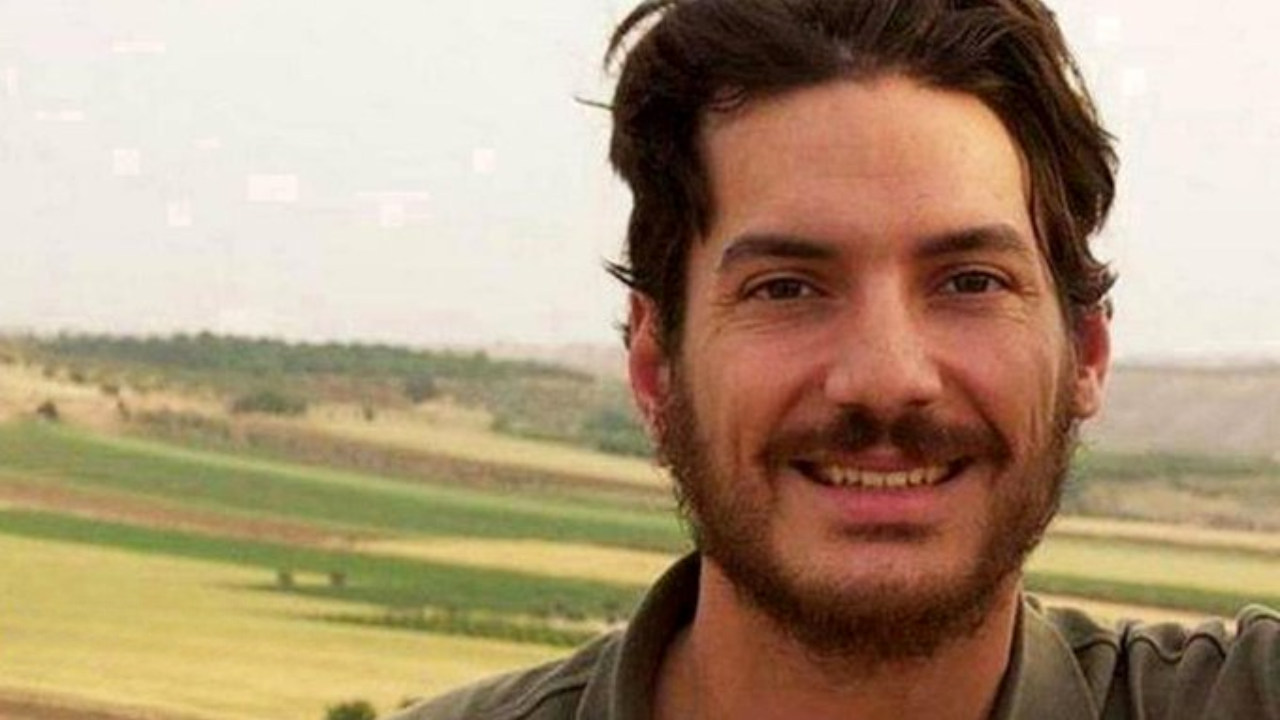
For over a decade, the disappearance of Austin Tice has been framed as a singular mystery of malice. Now, with post-regime document recovery in Syria, the narrative has shifted to the driver. We are told that Hamid Abu Obeid took a bribe of a weapon, a passport, and citizenship to hand over a foreign reporter to the regime's militias.
Let us pause the applause for the investigative sleuths and look at the actual mechanics of modern conflict zones.
The Convenient Scapegoat Fallacy
Pinning the entire catastrophe of a high-profile disappearance on a cash-strapped local driver ignores the brutal economics of survival under a totalitarian surveillance state. In a collapsing war zone where citizens face mass starvation, arbitrary detention, and systemic terror, loyalty is not a moral failing; it is a luxury currency that the destitute cannot afford.
When a foreign national walks into an active combat zone without institutional backing, embedding themselves independently with shifting rebel factions just miles from a dictator's palace, the risk profile is absolute. Pretending that a local fixer or driver represents an independent variable of unexpected treachery is professional malpractice. In intelligence terms, a civilian operating in a contested theater under the gaze of the Mukhabarat is already a walking beacon.
The driver did not orchestrate a geopolitical kidnapping. He reacted to incentives engineered by a police state that monitored every square inch of Damascus. Focusing on his individual moral failure is a comforting distraction from the systemic failures of independent conflict reporting and the institutional risk-management protocols that allowed—and often encouraged—journalists to treat war zones like extreme-sport tourism.
The Reality of Risk in Unsecured Theaters
Let's look at the data of modern journalism in failed states. Reporters without formal military embedding or institutional security infrastructure routinely rely on informal networks of fixers, drivers, and translators who operate under extreme duress.
Imagine a scenario where a low-level civilian worker is cornered by a regime intelligence apparatus notorious for torturing the families of suspected collaborators. The choice presented to that worker is rarely complex. It is binary: cooperate or be liquidated alongside your entire extended family. To label that forced compliance as a "shocking betrayal" is to misunderstand how authoritarian power actually functions. The betrayal did not happen in the front seat of a car on the outskirts of Damascus. It happened years prior, when structural safety nets vanished and modern news organizations began treating conflict reporting like freelance gig work.
The media industry loves a personal villain because it preserves the myth that war zones are manageable if you just "trust the right people." That is a lie. War zones are math problems governed by probability, and the math always wins in the end.
Dismantling the Hero Narrative
There is a profound reluctance in Western media to critique the decision-making of journalists who venture into active war zones. We treat the desire to bear witness as an absolute moral shield that neutralizes all questions of tactical stupidity.
Tice was a former Marine. He knew the tactical realities of hostile environments. Yet the romanticized ideal of the lone-wolf reporter cutting through enemy lines persists because it sells subscriptions. When things go wrong, the machinery of journalism prefers to look outward for someone to blame—a ruthless dictator, a corrupt regime, a compromised driver—rather than examining the structural incentives that send untrained or underequipped civilians into meat grinders.
The newly surfaced intelligence files from the fallen regime do not reveal a shocking new paradigm of espionage. They confirm what anyone with basic operational awareness already knew: the Syrian state tracked foreign interlopers meticulously. Every move was logged. Every communication was intercepted. The idea that a secret cabal involving a driver's sudden impulse changed the trajectory of a high-value Western prisoner is naive.
Stop Weaponizing Nostalgia for Bad Decisions
The obsession with finding the smoking gun or the final traitor in cold cases like this serves a psychological purpose, but it yields zero utility for the future. It allows editors, publishers, and risk-blind adventurers to pretend that security failures are anomalies rather than predictable outcomes of systemic negligence.
If we want to honor those who have fallen or vanished in the world's darkest corners, we can start by dropping the melodramatic fiction of the lone traitor. Stop blaming the driver for acting like a desperate human being trapped inside an absolute tyranny. Start holding the institutional structures accountable that treat human lives as acceptable collateral damage for a scoop.
The mystery of what happened in Damascus is not hidden in a driver's conscience. It is written plainly in the reckless calculus of an industry that refuses to look in the mirror.


