The water in the Strait of Hormuz is an unsettlingly calm shade of turquoise. To the casual eye, it looks like any other stretch of ocean. But look closer, or ask the captain of a 300-meter supertanker weaving through its narrow shipping lanes, and you will learn that this thirty-mile wide neck of water is the closest thing the global economy has to a jugular vein.
Now, imagine that vein tightening.
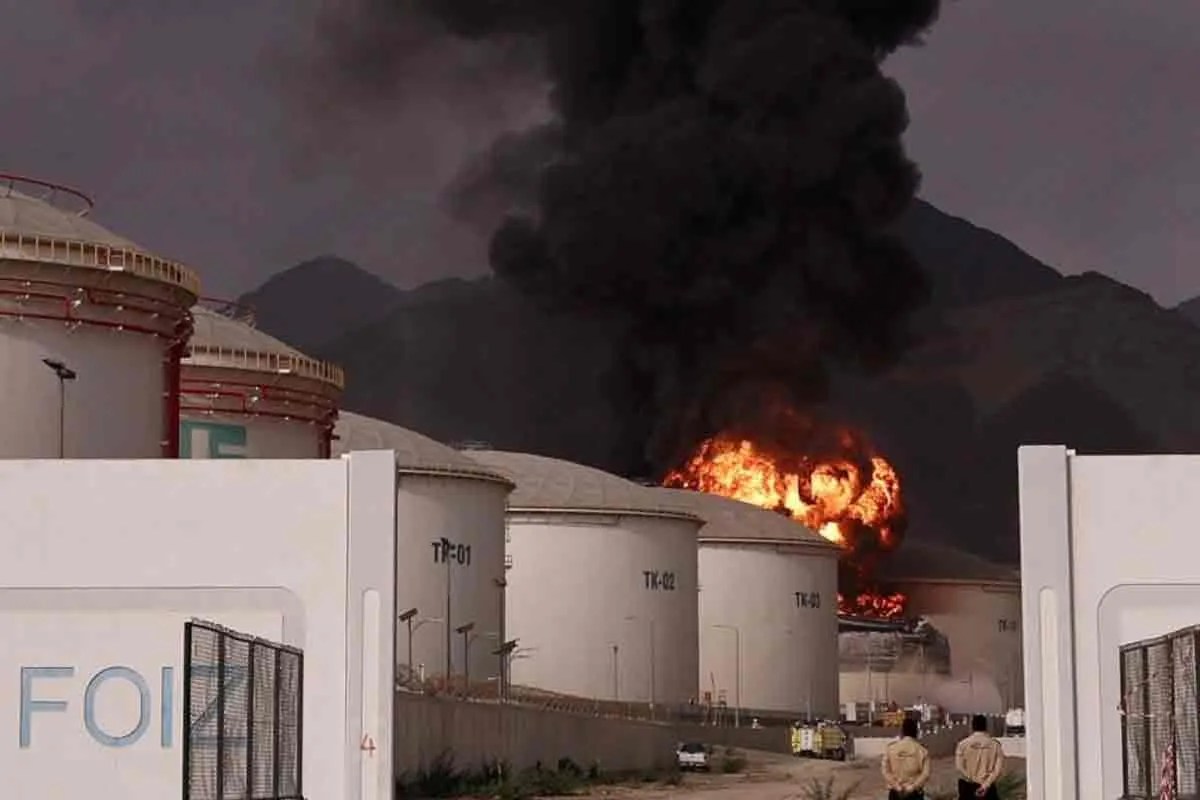
Iran’s recent declaration that it could shut down the Strait of Hormuz if American intervention persists is not just a localized geopolitical dispute. It is a tremor felt in gas stations in Ohio, manufacturing hubs in Shenzhen, and boardroom meetings in Frankfurt. When Tehran warns that any external interference will set the entire Gulf region ablaze, the words carry the weight of millions of barrels of crude oil.
To understand what is happening right now, we have to look past the political theater and focus on the sheer mechanics of dependency.
The Geography of Panic
The world relies on trade routes that are terrifyingly fragile.
Consider the numbers. Roughly one-fifth of the world’s petroleum passes through this single, narrow gateway every single day. It connects the oil fields of the Middle East to the insatiable markets of the West and Asia. If you turn off the tap at Hormuz, you do not just disrupt Iranian trade. You halt the flow from Saudi Arabia, the United Arab Emirates, Kuwait, and Iraq.
Let us ground this abstract concept in a hypothetical scenario to see how it plays out in real time. Meet Marcus. He manages a logistics firm in Rotterdam. He does not read geopolitical intelligence briefings for fun. But today, his eyes are glued to the news feed. If the strait closes, the ships carrying raw materials to his clients will be forced to take the long way around Africa. That adds weeks to the journey. It burns millions of gallons of extra fuel. It causes a cascading backlog that slows down everything from the delivery of medical supplies to the production of consumer electronics.
Marcus represents the invisible stakes. The threat of a closed strait changes behaviors long before a single naval vessel moves. Insurance premiums for cargo ships in the Gulf skyrocket overnight. Shipping companies hesitate. Prices creep upward.
A History Written in Oil
This is not the first time the world has stared down this specific barrel. The history of the Gulf is a history of friction over access.
During the Tanker War of the 1980s, Iran and Iraq regularly targeted each other's commercial shipping. The United States intervened with Operation Earnest Will, escorting Kuwaiti tankers to ensure the global energy supply did not collapse. The playbook being used today by Tehran is deeply rooted in that era. It is a strategy of asymmetric leverage.
Iran knows it cannot match the sheer conventional military might of the United States or its combined allies. It does not need to. When you control the literal geographic gateway to twenty percent of the world's energy, your words are your weapons. A single statement about closing the strait acts as a psychological lever, tilting global markets and forcing foreign policymakers to tread lightly.
The core tension is straightforward. Iran views the presence of American naval assets in the Gulf as a direct threat to its sovereignty and regional influence. The United States views its presence as a necessary shield to protect international waters and guarantee the free flow of commerce. When these two opposing philosophies collide, the entire Gulf region feels the heat.
The Invisible Ripples
It is easy to get lost in the grand strategy of warships and sanctions. But the real friction occurs in the ordinary corners of human life.
When the price of crude oil spikes because of a headline out of Tehran, the reaction is almost instantaneous. It is a chain reaction that defies borders. The cost of transporting food goes up, which means a loaf of bread becomes more expensive in a supermarket thousands of miles away. Airlines adjust their ticket prices to compensate for jet fuel volatility. Small business owners look at their monthly utility bills with a growing sense of dread.
This is the vulnerability we rarely like to admit. Our modern, hyper-connected existence relies on the assumption that the lines on our maps will always remain open. We assume that goods will flow, that electricity will stay cheap, and that the friction of distance has been permanently conquered by technology.
A single announcement from a military commander in the Middle East shatters that illusion. It reminds us that the global economy is not a seamless, automated machine. It is a fragile web built on fragile geography, maintained by a delicate peace that can be upended by a single miscalculation.
The rhetoric coming out of the Gulf right now is an escalation of words. But in a region where the margin for error is razor-thin, words have a habit of turning into actions. If the pressure continues to mount, the calm turquoise waters of the Strait of Hormuz may become the center of a storm that the rest of the world cannot afford to ignore.