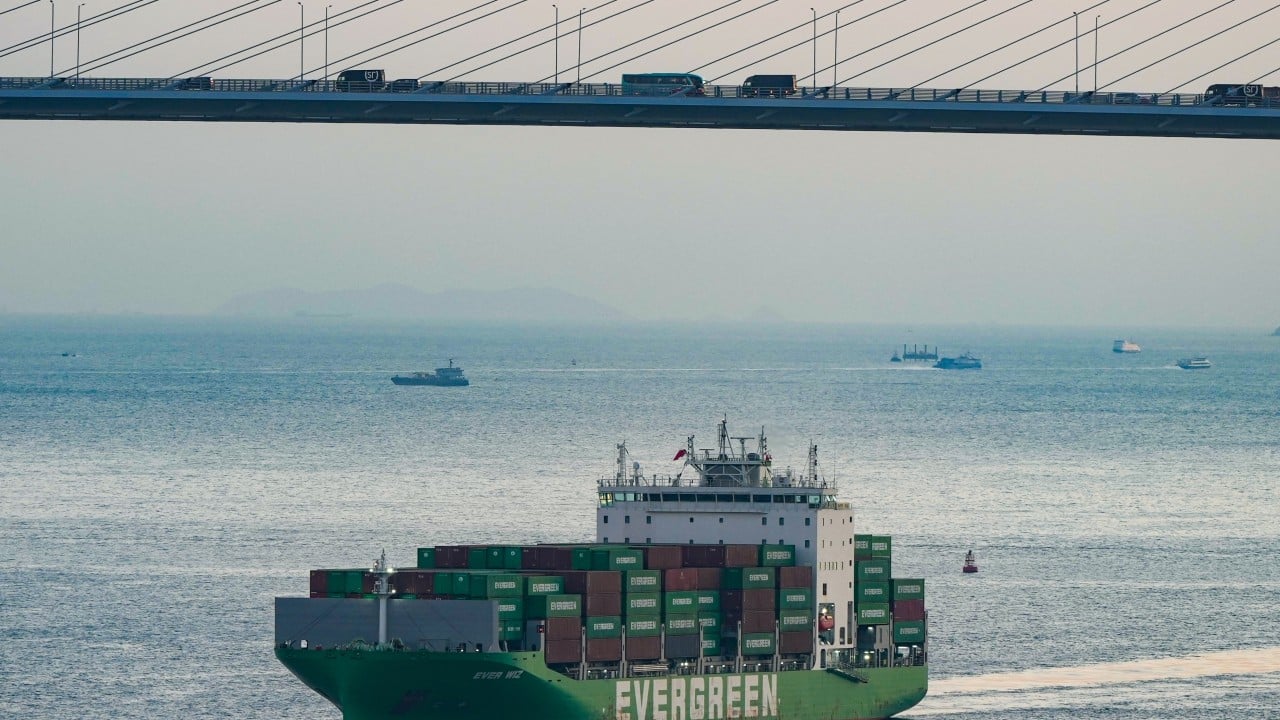
Mainland Chinese enterprises are packing their bags and looking outward at an unprecedented scale. Recent data released by the Hong Kong Trade Development Council reveals that 82 percent of surveyed mainland firms plan to scale up their existing international operations, while 63 percent are actively chasing brand-new foreign markets.
Domestic competition is brutal. Margins are shrinking. Companies must cross borders to survive and grow. But running a business across multiple foreign jurisdictions is a legal and logistical nightmare. This explains why 83 percent of these expanding businesses rely on Hong Kong as their primary professional services hub, beating out mainland alternatives and regional competitors like Singapore.
The Real Drivers Behind the Global Rush
Nobody expands internationally just for fun. Companies are reacting to intense domestic pressures and shifting international trade dynamics. Over half of the firms surveyed point to rising operational costs and cutthroat market competition at home as primary catalysts for moving abroad.
At the same time, traditional Western markets are becoming harder to navigate. Changing regulatory policies in North America and parts of Europe mean mainland businesses are diversifying heavily. They are looking south and west instead.
Look at the regional breakdown from recent trade data:
- ASEAN Nations: Captured a staggering 91 percent interest rate among expanding firms.
- Middle East: Climbed sharply to 46 percent as businesses chase new infrastructure and technology partnerships.
- Latin America: Grew to 34 percent, doubling interest from previous years.
This isn't just about selling goods manufactured in China anymore. Modern corporate strategies involve complex supply chain integration, cross-border technology cooperation, and establishing local operations overseas.
Why Hong Kong Wins the Support Hub Race
When a manufacturing giant or a tech firm decides to plant a flag in Malaysia, the United Arab Emirates, or Brazil, they need heavy institutional backing. They need cross-border financial management, international legal compliance, and market intelligence.
Hong Kong captures 83 percent of this market support because it sits in a unique regulatory sweet spot. It offers an international legal framework, deep pools of global capital, and professionals who speak the language of both mainland headquarters and foreign target markets.
Singapore often gets praised in western media as the default Asian hub, but mainland firms overwhelmingly choose Hong Kong for its unmatched integration with domestic corporate structures and direct connectivity to Belt and Road initiatives.
Bruce Pang, Director of Research at the HKTDC, notes that the shift has evolved beyond simple export sales. Mainland businesses are exporting entire industrial chains, intellectual property, and high-value services. Managing that transition requires a financial center that can handle intricate multi-currency transactions and complex international dispute resolution without missing a beat.
What This Means for Global Markets
If you think this is a passing trend, think again. The corporate exodus from mainland China represents a permanent maturation of Asian multinational corporations. They are building regional hubs, investing in local workforces abroad, and partnering with emerging economies rather than just dropping products off at a port.
Businesses operating outside of Asia need to understand this shift. Chinese firms arriving on your shores aren't just looking for cheap retail space. They bring sophisticated capital, high-tech supply chain components, and aggressive growth strategies backed by world-class professional services routed straight through Hong Kong.
Watch how these cross-border investments play out over the next few quarters. The companies that learn to partner with this wave of expansion will capture immense value. The ones that ignore it will watch their market share disappear.