Chinese exporters are staring at a map of the world and realizing the biggest threat to their bottom line isn't a 60 percent tariff from Washington. It's the ghost of secondary sanctions haunting their bank accounts in Tehran. As President Trump and Xi Jinping prepare to sit down in Beijing this week, the headlines are screaming about trade wars and mineral dominance. But if you talk to the people actually moving cargo in Ningbo or Shenzhen, they'll tell you the real nightmare is the escalating conflict in Iran.
Tariffs are a known tax. You can price them in, reroute through Vietnam, or just eat the margin. Secondary sanctions are different. They're an extinction event for a business. If the U.S. decides your company helped the Iranian military or shipped the wrong kind of "dual-use" gear, you aren't just paying a fee. You're cut off from the global financial system. You're done.
The Sanctions Trap vs the Tariff Wall
For years, China and Iran operated a "don't ask, don't tell" trade relationship. China bought the oil—roughly 1.4 million barrels a day by late 2025—and Iran bought everything from cars to synthetic yarn. It was a closed loop. They used the Bank of Kunlun, renminbi-denominated payments, and a "ghost fleet" of aging tankers to keep the lights on.
But the game changed when the U.S. and Israel launched strikes against Iran earlier this year. Now, the U.S. is aggressively targeting the middleman. Just days before the summit, Washington sanctioned 12 more entities for helping Iran ship oil. This isn't just about big state-owned giants anymore. They’re coming for the small "teapot" refineries and the niche exporters in Zhejiang who thought they were too small to be noticed.
Why the Beijing Summit Won't Fix This
You might think a handshake between Trump and Xi would settle the dust. It won't. Trump is heading into this meeting with a domestic firestorm over gas prices, but he's also doubling down on his "maximum pressure" campaign against Tehran. For the Chinese side, Iran isn't just a trading partner; it's a massive energy security liability.
- Energy Shortfalls: The 1.4 million barrels per day China was getting from Iran is effectively gone. Replacing that with Russian or Saudi oil at $100 a barrel is gutting the margins of Chinese manufacturers.
- Payment Paralysis: Even for legitimate goods—like the $653 million worth of car parts China sent to Iran last year—getting paid has become a logistical hellscape.
- The Taiwan Trade-Off: Rumors are swirling that Trump might offer a "grand bargain." He could ease up on some tech restrictions if Xi pulls the plug on Iran. If you're a Chinese exporter, you're the bargaining chip.
Small Exporters are Already Running
I've seen this play out before. When the heat gets too high, the smart money leaves the room. Data from February 2026 shows China's exports to Iran plummeted nearly 30 percent compared to the previous year. Car exports alone dropped by tens of millions of dollars. This isn't a temporary dip; it's a strategic retreat.
Small-scale manufacturers are shifting their focus to the UAE or Saudi Arabia. They've realized that the $31 billion in "unreported" oil trade that fueled the Iran-China corridor is a sinking ship. The risk-to-reward ratio has flipped. Why risk your access to the U.S. dollar for a shrinking market in a war zone?
What You Should Do If You're Sourcing From China
If your supply chain touches these regions, stop waiting for the summit results to act. The political theater in Beijing won't stop the U.S. Treasury from issuing more SDN (Specially Designated Nationals) listings.
- Audit Your Partners: Check if your Chinese suppliers have significant exposure to the Iranian market. If they get hit with secondary sanctions, your orders are stuck indefinitely.
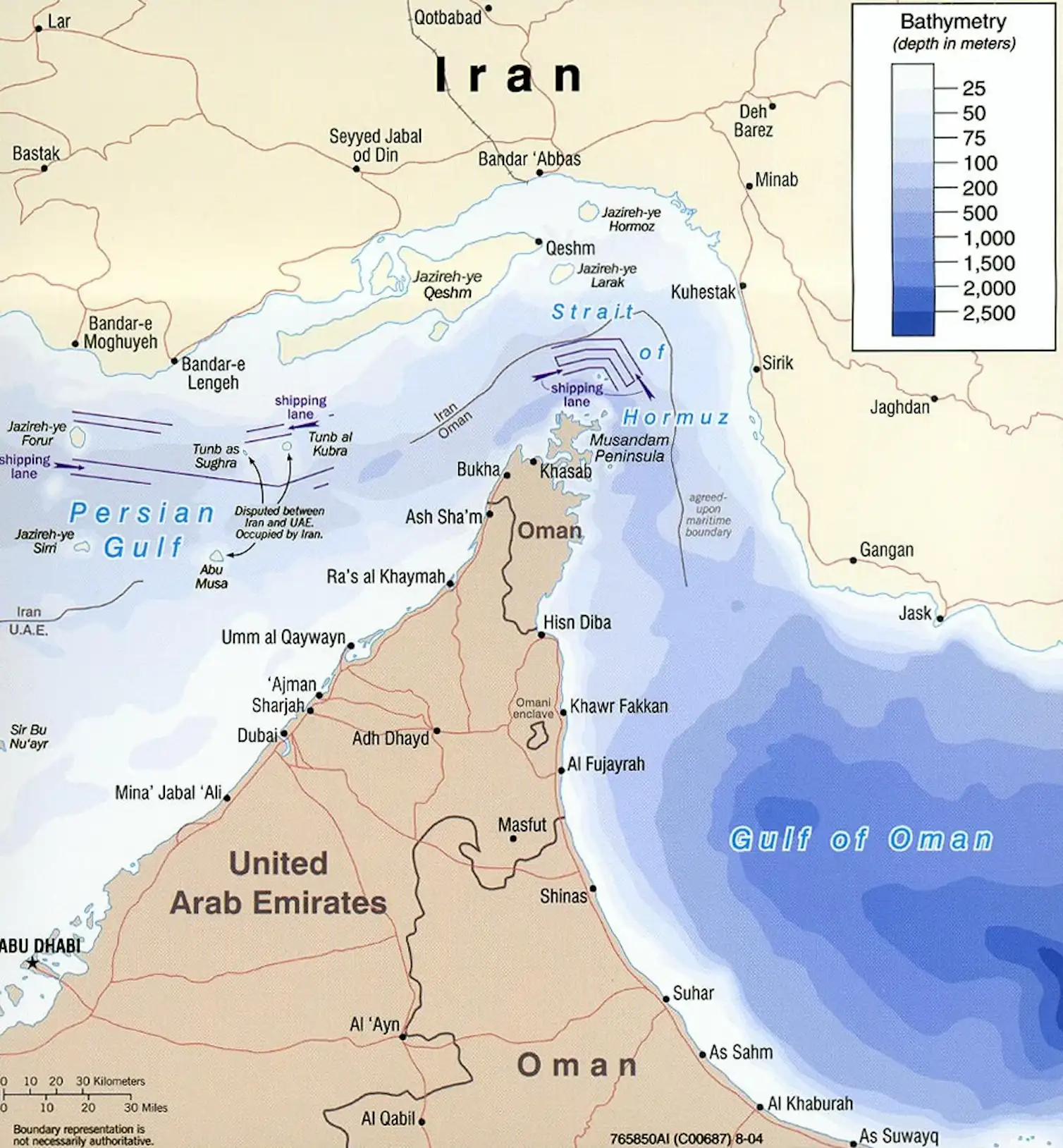
- Diversify Your Port Access: The Strait of Hormuz is a mess. Ensure your logistics providers have contingency routes that don't rely on Gulf stability.
- Watch the Currency: We're seeing a massive push for CIPS (Cross-border Interbank Payment System) to bypass SWIFT. If your supplier insists on RMB payments through non-standard banks, ask yourself why.
The era of playing both sides is over. For the thousands of exporters in China’s industrial heartland, the fear isn't that Trump will tax their goods—it's that he'll make it impossible for them to even send an invoice.
Trump targets Iran oil shipments to China before Xi meeting
This report details how the U.S. is ramping up sanctions on the very shipping networks Chinese exporters rely on just as the high-stakes summit begins.