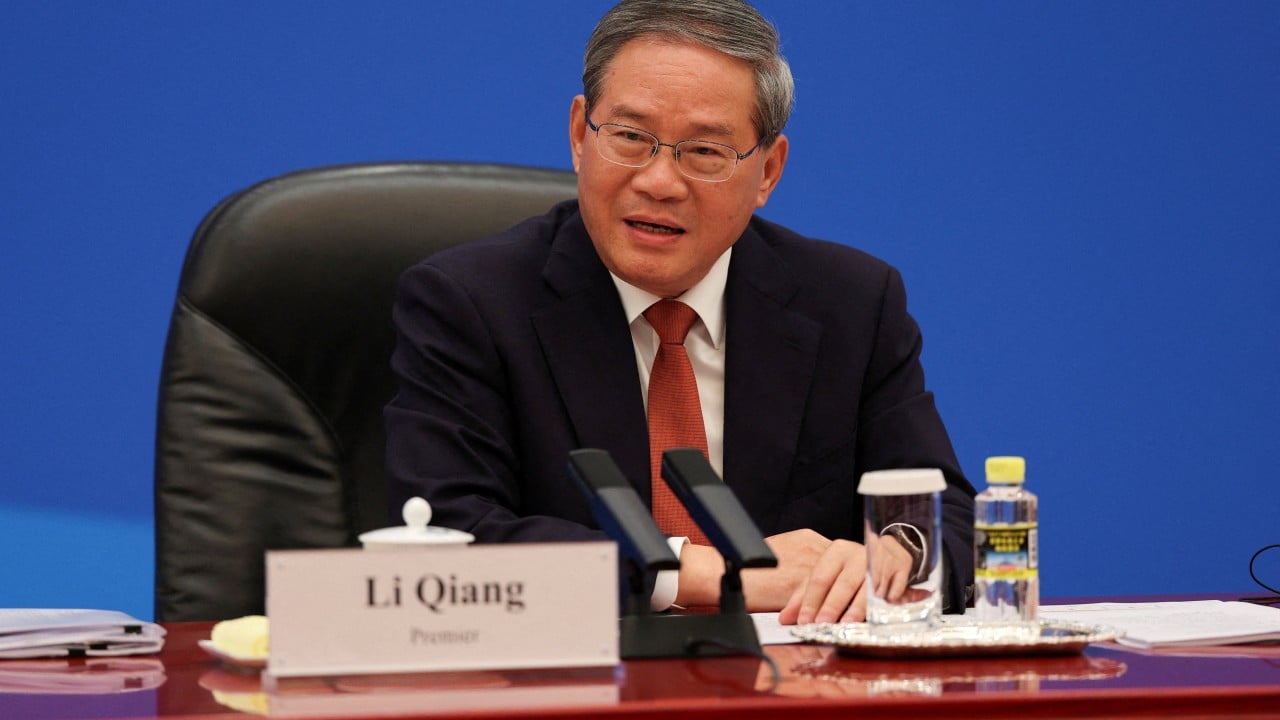
The headlines treat Beijing and Doha shaking hands over liquefied natural gas and neural networks as a diplomatic masterclass. The lazy consensus assumes that when Chinese Premier Li Qiang sits down with Qatar's Prime Minister Sheikh Mohammed bin Abdulrahman Al Thani, we are witnessing the birth of a grand, multi-vector alliance spanning energy security, advanced machine learning, and geopolitical peace-making.
It is a comfortable narrative for diplomatic correspondents. It is also entirely divorced from operational reality.
Strip away the state-media boilerplate, and you find two pragmatists managing an awkward marriage of convenience. China does not want to police the Middle East, and Qatar does not want to choose between American security architecture and Chinese purchasing power. Pretending this high-level summit signals a cohesive new order is worse than naive; it is a fundamental misread of how modern transactional geopolitics actually operates.
The Myth Of The Free-Floating Mediator
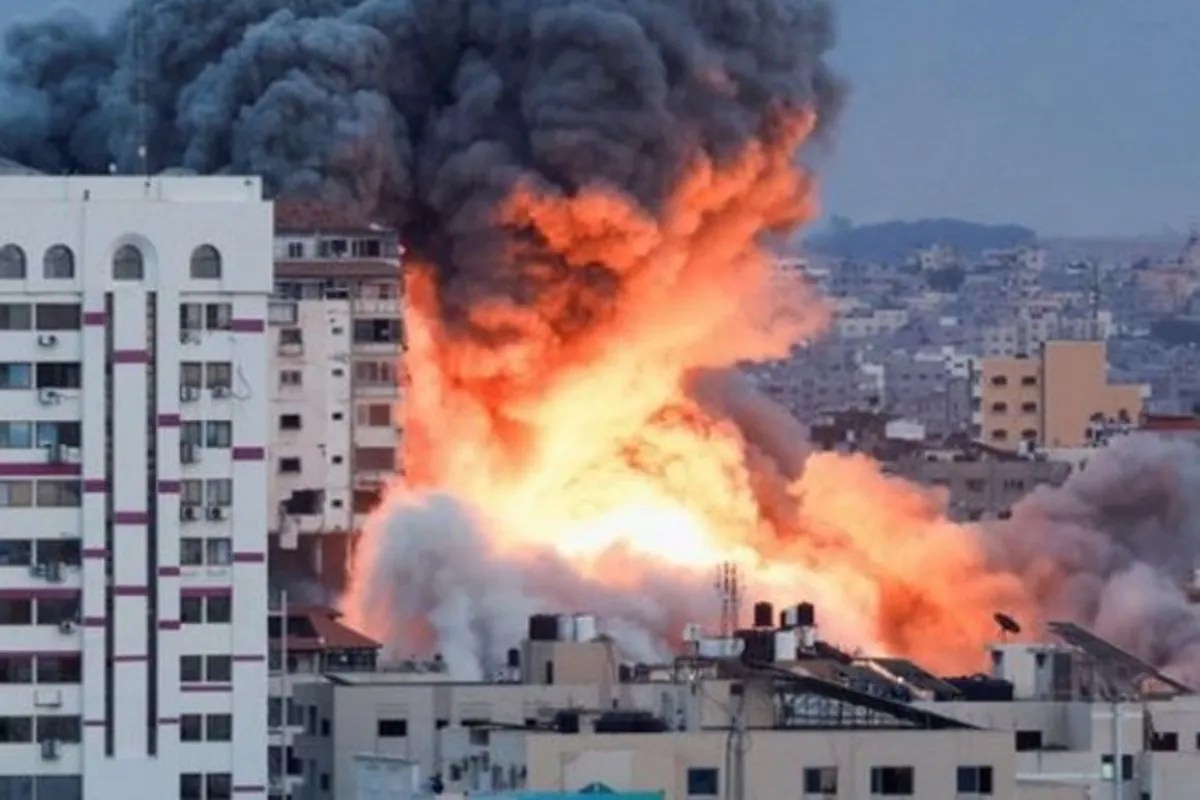
Look at the standard commentary surrounding Beijing backing Doha's regional mediation efforts. Analysts write as if diplomatic communiques can wish away structural volatility in the Strait of Hormuz.
Let us be precise about the exposure. Qatar supplies roughly thirty percent of China's imported liquefied natural gas. When regional chokepoints freeze or military flare-ups threaten tanker routes, Beijing faces an acute energy squeeze. China's response to this vulnerability is not to deploy a blue-water navy to secure the Persian Gulf—because Beijing possesses neither the military bases nor the logistical appetite to shoulder that burden. Instead, Beijing outsources the heavy lifting of security to the United States while buying the output.
Call it what it is: free-riding on superpower security guarantees.
China wants commercial access without the accompanying military liabilities. When Li Qiang praises Qatar's diplomatic channels, he is buying insurance on the cheap. Doha talks to everyone—Washington, Tehran, regional factions—because its survival depends on hyper-active neutrality. Beijing applauds this because it keeps energy flowing without requiring a single Chinese destroyer to patrol the Bab el-Mandeb or the Strait of Hormuz. To frame this arrangement as a coordinated Sino-Qatari axis of de-escalation ignores the glaring absence of any enforcement mechanism behind China's wishful thinking.
Artificial Intelligence As A Smokescreen For Commodity Trade
Then there is the persistent fixation on artificial intelligence cooperation. Every contemporary bilateral meeting must apparently include a nod to advanced technologies to satisfy domestic innovation quotas.
Let us look past the press releases. Qatar's sovereign wealth funds and energy ministries are flush with capital, but their core competence remains extraction, liquefaction, and global shipping of hydrocarbons. China is a manufacturing titan racing to dominate green supply chains and domestic processing.
When tech and AI find their way into these joint statements, they serve as a diplomatic placeholder. They offer a shiny veneer for what remains an old-school trade in hydrocarbons and industrial infrastructure. Gulf capitals want diversification partners to hedge against a post-oil horizon, and Beijing is happy to sell hardware, cloud infrastructure, and telecommunications gear.
Yet, treating this tech corridor as a challenge to Western technological dominance misses the friction points. Washington watches high-tech integration in the Gulf like a hawk. Any deep-seated transfer of sensitive dual-use technology or foundational compute capabilities to Gulf states that maintain heavy defense ties with the United States hits an immediate ceiling. Beijing and Doha can sign memoranda of understanding until paper runs out, but commercial gravity and American export controls dictate strict limits on how far that digital partnership can actually go.
The Trap Of Transactional Partnerships
I have watched corporate boards and state planners fall into the same trap for decades: confusing a transaction for a strategic bond.
Bilateral trade crossing twenty-four billion dollars is impressive on paper, but trade volume does not equal political loyalty. Qatar does not owe Beijing fealty, and China does not offer security umbrellas. If supply routes rupture permanently, a stack of signed agreements in Beijing will not keep Chinese generators powered or Qatari export terminals functioning.
The structural limits of this relationship are baked into the geography. Beijing remains heavily exposed to maritime chokepoints it cannot defend. Doha remains a small state navigating a hyper-dangerous neighborhood by playing multiple superpowers against each other.
Stop reading the tea leaves of diplomatic communiques as if they herald a new global architecture. What we are seeing is not a profound geopolitical realignment. It is a pragmatic, highly volatile commercial transaction between a giant energy consumer and a vital gas producer, both buying time in an increasingly fractured world.