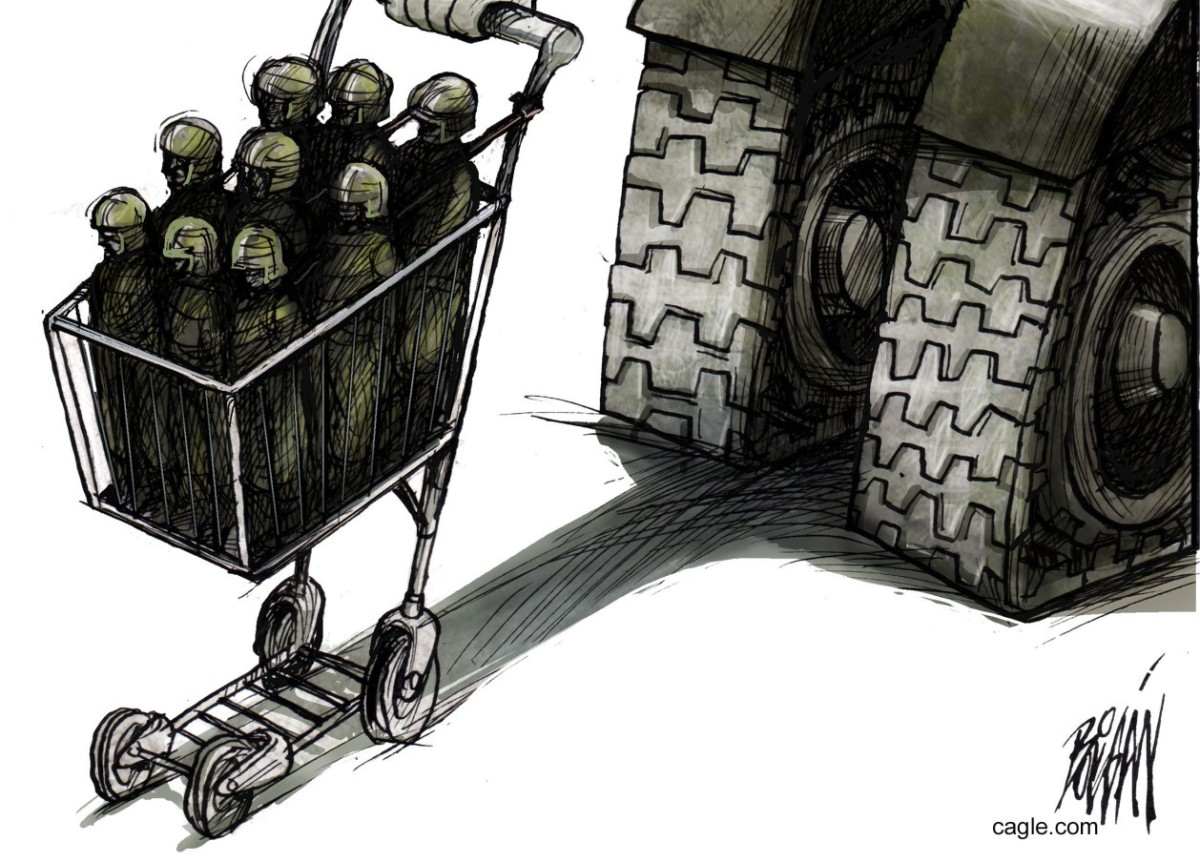
The recent media circus surrounding the northern French migrant camps follows a script so predictable it might as well be a stage play. A camera crew walks through the mud, a politician signs a multi-million-euro "joint action plan," and the public is told that enforcement is finally catching up with the crisis.
It is a lie.
The "new deals" between the UK and France are not solutions. They are subsidies for the very business models they claim to destroy. By focusing on "stopping the boats" through increased shoreline surveillance and bureaucratic handshakes, both governments are ignoring the basic mechanics of supply and demand that govern the English Channel.
I have spent years analyzing the movement of illicit capital and the logistics of irregular migration. I have seen how every new drone, Every new thermal camera, and every new police patrol in Calais does exactly one thing: it increases the price of the crossing. And in the world of high-stakes smuggling, higher prices do not deter customers; they simply professionalize the criminals.
The Surveillance Paradox
The prevailing logic suggests that if you make the northern French coast a fortress, people will stop trying to cross. This is the "lazy consensus" of modern border policy. It assumes that the migrants in these camps are making a rational, low-stakes consumer choice.
They aren't.
When the UK pledges another £500 million to France for "enhanced enforcement," they are essentially funding a massive research and development project for smuggling syndicates. Here is how the math actually works:
- Risk as a Price Driver: When you increase the chance of interception, the "success fee" charged by smugglers rises.
- Consolidation: Small-time operators who can’t afford faster engines or more sophisticated scouting are pushed out.
- Monopolization: The market is left to organized crime networks with the capital to bypass the new technology.
We aren't stopping the trade. We are forcing it to evolve. By the time the ink is dry on a diplomatic treaty, the smuggling networks have already adjusted their launch points, moving further north or south, making the journey longer and more dangerous for the occupants while keeping the profit margins fat for the handlers.
The Myth of the "Deterrent"
Politicians love the word "deterrent." It sounds tough. It sounds logical. But as a strategy, it is a failure of imagination.
The camps in Dunkirk and Calais are not full of people who are unaware that the Channel is dangerous. They know. They have already crossed the Sahara, the Mediterranean, or the Balkan mountains. To someone who has survived a Libyan detention center, a French police officer with a tear gas canister is a minor inconvenience, not a deterrent.
The "deal" announced with France focuses on "boots on the ground." But more boots on the ground just means more people to bribe or more blind spots to map. If you want to break the back of the Channel crossings, you have to stop treating it as a policing problem and start treating it as a market problem.
Why the Current "Deals" Are Counter-Productive
Every time a new agreement is reached, it usually involves the UK paying France to house more migrants in "reception centers" or to increase patrols. This creates a perverse incentive structure.
If France actually "solved" the problem, the British money would stop flowing.
Under the current framework, the French government is essentially being paid a subscription fee to manage a crisis, not to end it. There is no incentive for total success. There is only an incentive for the appearance of effort. This is "Border Security as a Service," and it is the most expensive, least effective way to handle a frontier.
The Invisible Logistics of the Camps
Let’s talk about the reality of the camps that the BBC cameras often gloss over. These aren't just clusters of tents; they are logistical hubs.
- Supply Chains: Who provides the boats? They aren't manufactured in Calais. They are mass-produced in factories in Turkey or China, shipped across Europe in HGVs, and stored in warehouses hundreds of miles from the coast.
- Fintech for Smugglers: The money isn't moving in suitcases. It’s moving through hawala systems and encrypted apps that the current "enforcement deals" don't even touch.
While the politicians are arguing about how many jet skis to buy the French maritime police, the smugglers are using sophisticated digital escrow services to ensure they get paid only when the "cargo" hits British soil. We are fighting a 21st-century agile startup with a 19th-century colonial bureaucracy.
The Uncomfortable Truth About "Safe and Legal Routes"
The standard counter-argument from the left is that we need "safe and legal routes." While this sounds compassionate, it often misses the nuance of who is actually in those camps.
A significant portion of the people crossing the Channel would not qualify for traditional refugee status under the strict interpretations of the 1951 Refugee Convention. They are economic migrants seeking better wages, or they are individuals with family ties in the UK who don't want to wait ten years in a legal queue that may never move.
By refusing to acknowledge the economic reality of the crossing, we allow the smugglers to own the "expedited" market. We have created a vacuum where the only way to get an audience with the UK Home Office is to risk your life in a dinghy. That isn't a policy; it's a death-match.
Stop Funding the Process, Start Targeting the Capital
If we were serious about dismantling this industry, we would stop obsessing over the French beaches. The beach is the end of the supply chain. You don't stop a drug cartel by arresting the street dealer; you stop it by seizing the chemicals and the bank accounts.
- Seize the Assets, Not the Boats: The money for these crossings is laundered through legitimate businesses in London, Paris, and Berlin. Follow the wire transfers, not the rubber rafts.
- Direct Processing in France: This is the third rail of British politics, but it is the only way to kill the smugglers' USP. If you can apply for asylum—and be rejected—in an office in Coquelles, the $5,000 price tag for a boat seat becomes a terrible investment.
- Economic Realism: Admit that a portion of this is a labor market issue. If the UK needs seasonal labor, create a pathway that doesn't involve a channel crossing.
The Ethical Failure of "Managing" the Crisis
There is a deep cynicism in the way these deals are marketed to the public. Each one is framed as a "breakthrough," yet the numbers rarely trend down for long. We have entered a cycle of performative cruelty where the goal isn't to stop the flow, but to make the flow look as miserable as possible so the government can claim they are being "tough."
This doesn't hurt the smugglers. It hurts the taxpayer, who foots the bill for the "deals," and it hurts the migrants, who pay with their lives when the "new enforcement" forces them into even riskier behavior.
The camps in northern France are a monument to the failure of the nation-state to adapt to a globalized world. You cannot have a 19th-century view of borders in a world where information and capital move at the speed of light.
The current deal isn't a solution. It’s a recurring payment to maintain a status quo that everyone claims to hate but nobody has the courage to disrupt. Stop believing the headlines about "increased patrols." As long as the profit margin for a crossing remains 1,000%, there will be a boat. As long as the only way to claim asylum is to step onto British soil, people will find a way to do it.
We aren't "taking back control." We are outsourcing our border to criminals and then paying the French government to watch it happen.