You are cruising at 35,000 feet, digesting dinner, maybe watching a movie. Suddenly, the floor drops out from under you. One passenger on Cathay Pacific flight CX156 described it as exactly like free-falling from an amusement park drop tower.
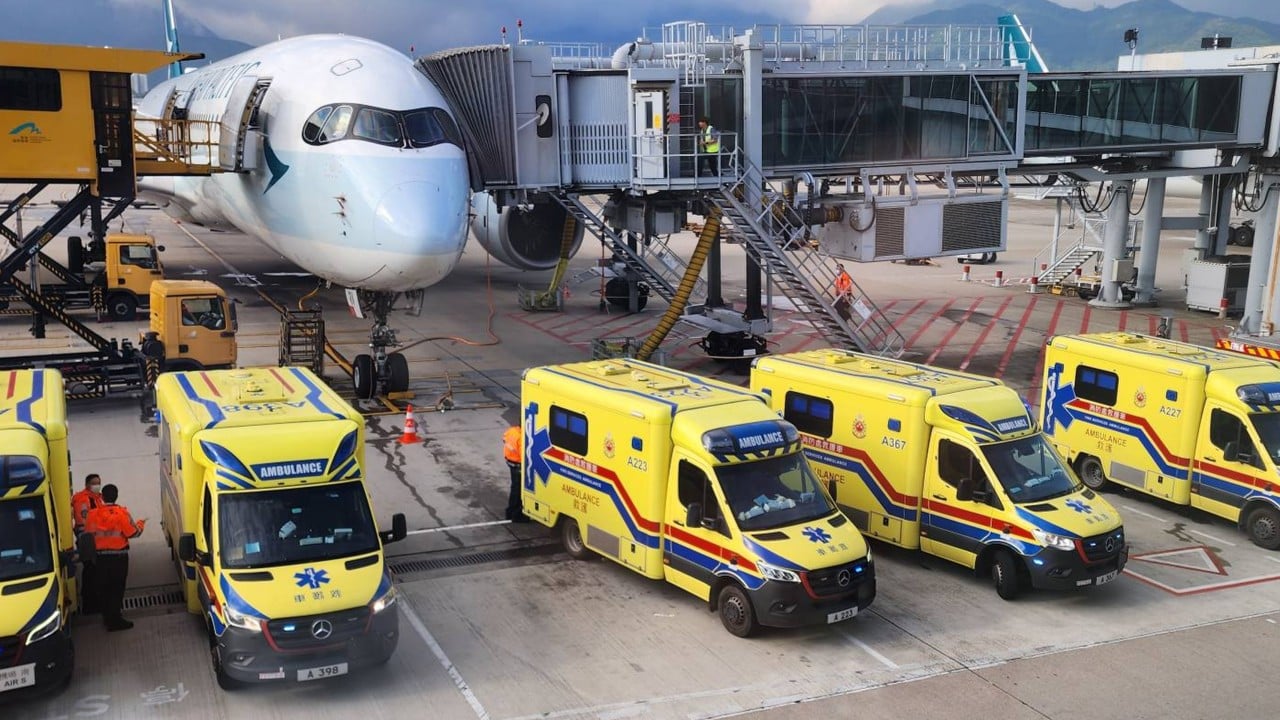
That flight from Brisbane to Hong Kong turned into chaos in the early hours of May 23, 2026. Ten people ended up injured. Six of them were cabin crew members who were just trying to do their jobs, and four were passengers. When the plane finally touched down at Hong Kong International Airport around 6:35 AM, ambulances were already lined up on the tarmac. Paramedics immediately stormed the cabin to cart eight of the injured off to the hospital.
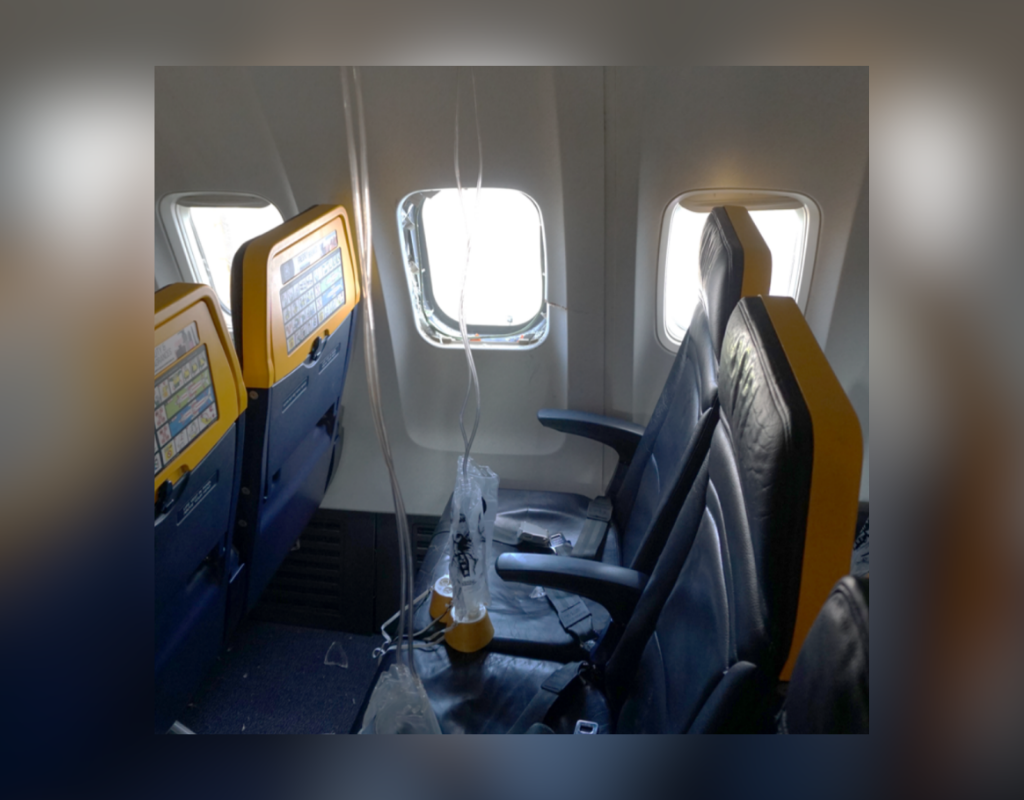
Social media videos from inside the cabin look like a trash bomb went off. Food scraps, scattered napkins, litter, and personal items blanketed the floor. It is the kind of mid-air nightmare that makes you grip your armrests a little tighter. But beyond the scary headlines, this specific incident highlights a growing, invisible threat in modern aviation that most flyers are completely ignoring.
What Happened in the Skies Between Brisbane and Hong Kong
Flight CX156 was supposed to be a routine overnight long-haul journey. Instead, the aircraft hit a pocket of severe, unexpected rough air.
When a plane hits a severe updraft or downdraft, the laws of physics don't care if you are comfortable. The aircraft drops, but unsecured objects—and unbuckled people—keep moving upward due to inertia. Your body literally detaches from the seat. You hit the ceiling, and then you slam back down onto the armrests or the floor.
The injury breakdown tells the real story here. Six of the ten injured were flight attendants. Why? Because crew members are frequently up and about, securing the cabin, serving meals, or checking on passengers. They don't have the luxury of staying strapped in for the entire cruise portion of the flight.
The four passengers who got hurt, however, likely shared a common mistake. They probably didn't have their seatbelts fastened when the violent shaking started.
The Invisible Threat of Clear Air Turbulence
Most people think turbulence only happens when you fly directly into a massive, dark thunderstorm. If you can see it on the radar, the pilots can usually fly around it. The real villain in modern aviation is something called Clear Air Turbulence (CAT).
CAT is completely invisible. It doesn't show up on standard airborne weather radar because it occurs in cloudless air at high altitudes. It is typically caused by severe wind shear associated with the jet stream—fast-flowing river-like currents of air high in the atmosphere.
When a plane flies from one body of air into another moving at a radically different speed or direction, the transition is instant and violent. Pilots get no visual warning. The radar screen shows clear blue skies. The first sign that you have hit CAT is when the plane violently violently jerks or drops.
Climate scientists from institutions like the University of Reading have been tracking this for years. Their data shows that severe clear air turbulence has increased significantly over the last few decades, particularly on busy North Atlantic and Pacific routes. Warmer air caused by shifting global temperatures creates higher wind shear in the jet stream. Basically, flights are getting bumpier, and the trends show it will only get worse.
How to Protect Yourself on Your Next Flight
You cannot control the weather, and you cannot control the jet stream. But you can absolutely control whether you become a statistic like the unfortunate travelers on flight CX156.
Keep the Belt Fastened At All Times
The "Seatbelt Sign" is not a polite suggestion. It is a safety mandate. However, the smartest thing you can do is keep your seatbelt securely buckled even when that little overhead light goes out. Keep it snug across your lap whenever you are sitting down. If you want to sleep, buckle the blanket over your seatbelt so the flight attendants can see you are secured without waking you up.
Secure Your Loose Items
Look at the aftermath of the Cathay Pacific cabin. Laptop computers, heavy water bottles, and metal cans become high-speed projectiles during a sudden drop. If you aren't actively using your tablet or laptop, slide it back into the seatback pocket or your under-seat bag. A flying MacBook to the face can cause severe lacerations or a concussion.
Listen to the Crew Immediately
If you hear the captain's voice come over the intercom telling the flight attendants to take their seats immediately, that is your cue that things are about to get ugly. Do not get up to use the restroom. Do not stand up to grab something from the overhead bin. Fasten your harness and make sure your tray table is locked.
The aviation industry is constantly working on better predictive models, using real-time data sharing between aircraft to warn trailing planes about rough air ahead. But until technology can perfectly map invisible air currents, your single best line of defense is a simple piece of fabric clicked across your waist. Don't wait for the drop to find out why it matters.