Every January, the panic cycle begins. A few warm days hit the Sierra Nevada, the mercury climbs, and suddenly the headlines scream about vanishing snow. It feels like a crisis. Often, it is just noise. If you pay attention to the seasonal trends, you know that judging the entire winter water supply based on a mid-season heat spike is like grading a final exam after the first ten minutes. It rarely tells the whole story.
You need to understand that weather in the mountains is never linear. It is erratic, messy, and prone to wild swings. Focusing on a single, short-term melt event misses the bigger picture of what sustains California's water future.
The Midwinter Trap
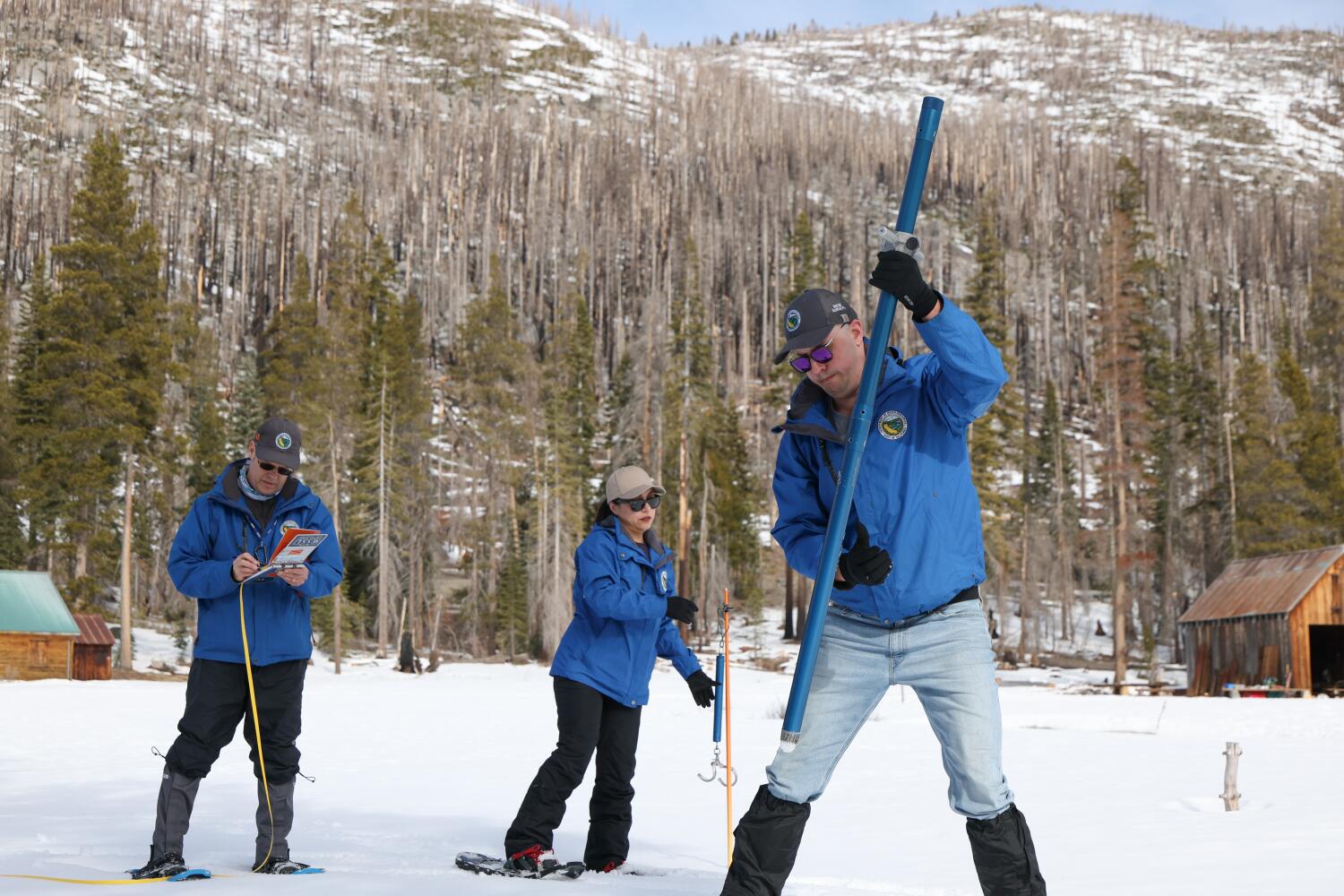
Most people look at a graph in January, see a dip, and assume the year is doomed. This is the first mistake. Snowpack accumulation is a marathon, not a sprint. The critical measurement date for water managers is April 1. Why? Because that is when the snowpack typically peaks.
Before April, we are looking at snapshots. A week of warm weather in late winter can definitely thin the surface layer, but it does not evaporate the stored water underneath. The snowpack is a massive, frozen reservoir. It takes significant, prolonged heat to melt that ice core. If the temperatures drop the following week, which they usually do in the high Sierras, the melt slows down immediately. The system is designed to handle fluctuation.
How Snow Water Equivalent Works
When you see reports about the snowpack, they are usually talking about Snow Water Equivalent, or SWE. This is the amount of water trapped in the snow. You can have a very deep snowpack with a low water content, or a shallower snowpack that is incredibly dense and heavy.
Here is what happens during a warm spell:
- The surface snow turns to slush or melts away.
- The remaining snow pack settles and becomes denser.
- The water is often absorbed by the underlying soil or trickles down into aquifers.
Think of it like a sponge. When the sponge is dry, it holds onto moisture that hits it. When the soil under the snowpack is dry from a previous summer, it acts as a massive sink, pulling water out of the snow even before it hits the streams. This is why a "good" snow year can sometimes result in poor runoff. The ground is thirsty. It drinks the water before the reservoirs get a chance.
The Reality Of Sierra Nevada Weather
The climate of the western United States thrives on atmospheric rivers. These are narrow, intense ribbons of moisture that can dump feet of snow in 48 hours. I have seen years where the mountains were bone-dry through February, only to get buried in March. That is the nature of the beast.
You cannot predict the entire season based on January temperatures. The mountain terrain creates its own microclimates. One basin might be melting rapidly while another on the opposite slope stays frigid and continues to accumulate. When news outlets report on the "California snowpack," they are usually generalizing data from dozens of sensors. That level of generalization hides the truth.
Why Warm Spells Are Not Always Catastrophic
There is an obsession with seeing snow stay on the ground forever. In reality, we need some melt to recharge the system. A sudden, massive, late-season heatwave is a problem because it creates flooding. A steady, gradual melt starting in early spring is ideal. It fills the reservoirs slowly and keeps the streams running through the hot summer months.
The danger isn't that the snow is melting in January. The danger is a lack of precipitation. If the winter stays dry for two or three months straight, that is a problem. If it is wet but warm, we are often still looking at a functional, if not perfect, water year. We have to stop equating cold temperatures with water security. Water security is about total annual precipitation.
Managing The Modern Water Reality
We are living in an era where water management has to adapt to volatility. It is no longer about relying on a "normal" winter. There is no such thing as normal anymore.
If you are a resident, you should stop obsessing over daily snow depth percentages on the news. They are designed to grab your attention, not to inform your long-term planning. Instead, look at the end-of-season reservoir storage numbers. These tell you how much water is actually available for the coming year.
You should also look into how your local water district handles groundwater recharge. The most effective way to store water in the modern era is not just behind a dam, but underneath your feet. We are seeing a shift toward flooding fallow fields in the Central Valley to force water back into the aquifers. This is a much more efficient way to save water than keeping it on a mountain peak where it can evaporate or sublimate into the dry air.
Steps To Stay Informed Without The Panic
- Check the DWR sensors directly: Don't rely on aggregate news numbers. Go to the California Department of Water Resources data portal. Look at the specific drainage basin where you live.
- Focus on April 1: Ignore the January and February noise. The data after April 1 is when we know what the summer will actually look like.
- Track reservoir levels: Reservoir storage is a lagging indicator, but it is the only one that guarantees water availability for your tap.
- Prioritize water efficiency at home: Regardless of whether the snowpack is at 80% or 120%, the long-term trend in the West is toward less predictable water. Fixing leaks and updating your landscaping now is always the smarter play than waiting for a dry year.
The mountains will do what they do. The heat will rise, the snow will melt, and the atmosphere will shift. You don't need to fear every degree of temperature change or every inch of lost snow depth. Just understand the system, look for the data that actually matters, and focus on your own usage. That is the only part of this equation you can truly control.