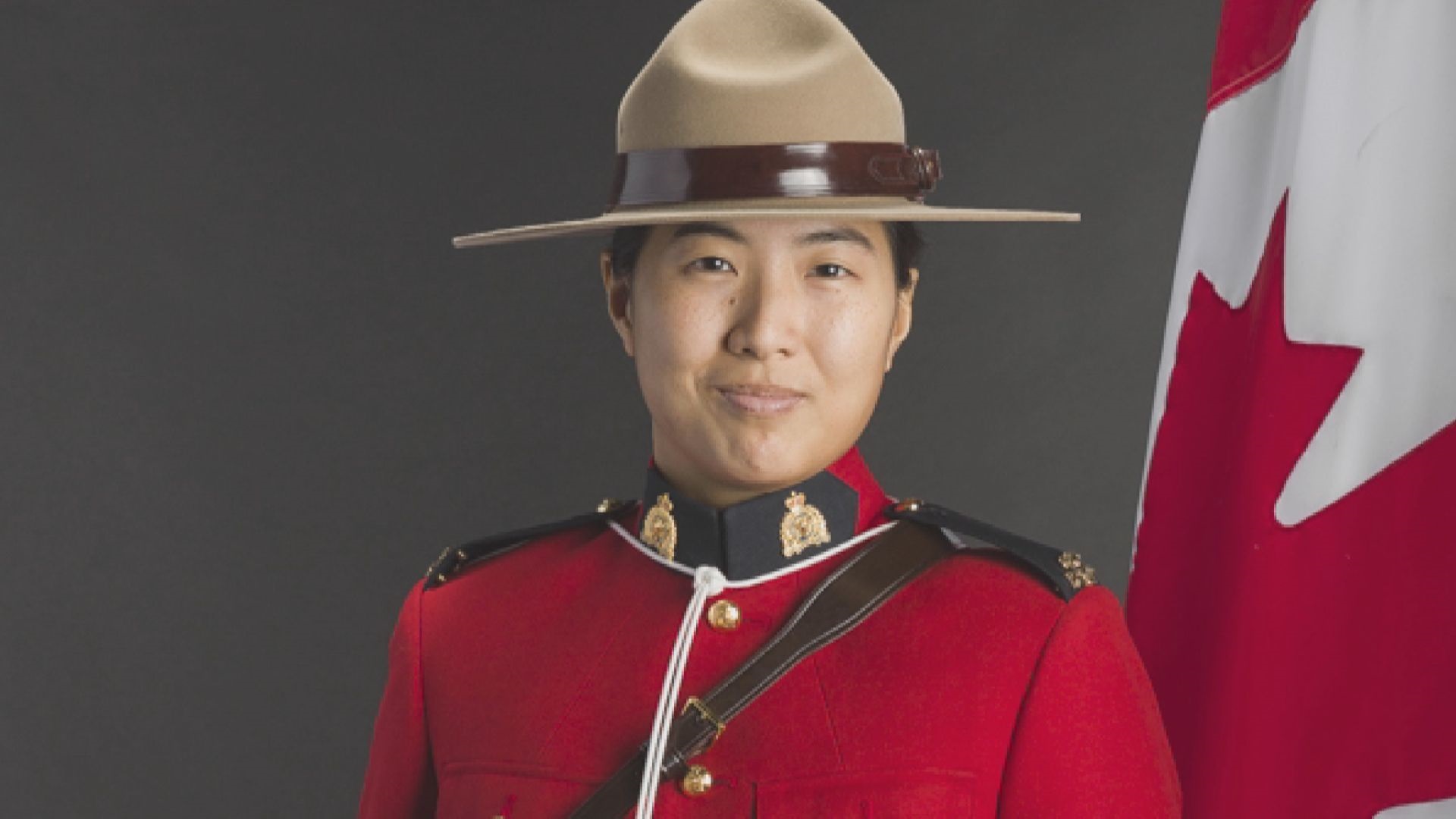
Justice moves slowly, but sometimes it just stops. The case of Jongwon Ham, the man accused of killing Burnaby RCMP Constable Shaelyn Yang in October 2022, took a sharp turn that leaves many feeling like the system is failing. A B.C. Review Board panel recently determined that Ham is "not fit to stand trial." This isn't a get-out-of-jail-free card, but it’s a massive roadblock for a grieving family and a community still reeling from the loss of a 31-year-old mental health and outreach officer.
People often confuse "unfit to stand trial" with "not criminally responsible." They aren't the same. Fitness is about the right now. It's about whether a person can actually understand what's happening in a courtroom today. If they can’t talk to their lawyer or don’t know what a judge does, the trial can't legally happen. It’s a core piece of Canadian law that ensures a fair process, even when the crimes are as horrific as this one.
The tragic reality of the Broadview Park encounter
Constable Shaelyn Yang wasn't just patrolling. She was doing the hard work. On October 18, 2022, she was at Broadview Park in Burnaby assisting a parks worker. They were there to tell a man living in a tent that he had to move. That man was Jongwon Ham. What started as a routine outreach call ended in a struggle, a stabbing, and a fatal injury. Yang managed to fire her gun before she died, wounding Ham, but the damage was done.
The shockwaves hit the RCMP hard. Yang was part of the police mental health and homeless outreach team. She spent her days trying to help the very population that eventually claimed her life. Since then, the conversation around police safety and mental health response in British Columbia has been explosive. People want answers. They want accountability. But right now, the legal system says Ham isn't in a state to give those answers.
Understanding the legal bar for fitness
To be fit for trial in Canada, you don’t need to be a legal scholar. You just need to meet a three-part test. First, can you understand the nature or object of the proceedings? Basically, do you know you're in court for a crime? Second, do you understand the possible consequences? You’ve got to realize you could go to jail. Third, can you communicate with your lawyer?
If a psychiatrist or a review board thinks you fail any of those, the trial pauses. In Ham’s case, the B.C. Review Board looked at his current mental state and decided he couldn't meet these basic requirements. He’s reportedly suffering from significant mental health issues that cloud his reality. While he remains in custody at a psychiatric hospital, the criminal charges—first-degree murder—are essentially on ice.
What happens when a suspect is in legal limbo
This doesn't mean Ham walks free. Far from it. When someone is found unfit, they're sent to a secure facility, like the Forensic Psychiatric Hospital in Coquitlam. They stay there until they’re deemed "fit." The board reviews their status every year, or more often if needed.
The goal of the hospital is to treat the person so they become fit. They use medication, therapy, and education about the court system. If Ham’s condition improves, the Crown will drag him right back to court to face that first-degree murder charge. But if he never improves? He could stay in that psychiatric facility for a very long time. It’s a strange, frustrating middle ground for the public. It feels like justice is suspended in mid-air.
The impact on Burnaby and the RCMP
You can't talk about this case without talking about the morale of the force. Constable Yang was a hero to many. Her death sparked debates about why a single officer was sent to handle a person with a known history of instability. Ham had previous run-ins with the law, including assault charges and a history of disappearing while on release.
The "unfit" ruling feels like another blow to those who knew her. It delays the "day in court" that victims’ families rely on for closure. While we have to respect the law, it’s hard to ignore the feeling that the system is better at protecting the rights of the accused than the safety of the officers on the ground. Honestly, it’s a mess.
Mental health and the justice system overlap
This case highlights the massive gap in how we handle mental illness before it turns violent. Ham was a former director and Emmy-winning cinematographer in Korea before his life spiraled. He was living in a park. He was clearly unwell. Yet, the system only seems to take a deep interest in his mental health after a police officer is killed.
We keep seeing this pattern in B.C. and across Canada. We wait for the tragedy, then we spend millions on psychiatric assessments and forensic hospitals. It’s backwards. If Ham had received the intensive support he clearly needed months before that day in Broadview Park, Shaelyn Yang might still be here.
Staying informed on the next steps
The B.C. Review Board will keep a close eye on Ham. They have to. Public safety is still a factor in these reviews, even if the primary focus is the suspect’s fitness. You should expect regular updates from the board over the coming months.
If you’re following this case, watch for the "Fitness Review" hearings. That’s where the real movement will happen. Until a doctor signs off saying Ham understands the charges against him, the murder trial is at a standstill. You can track upcoming B.C. Review Board dates on their official site or through local legal news trackers. For now, the focus remains on the psychiatric treatment within the forensic system and whether it can actually restore a man to a state where he can answer for what happened in that park.