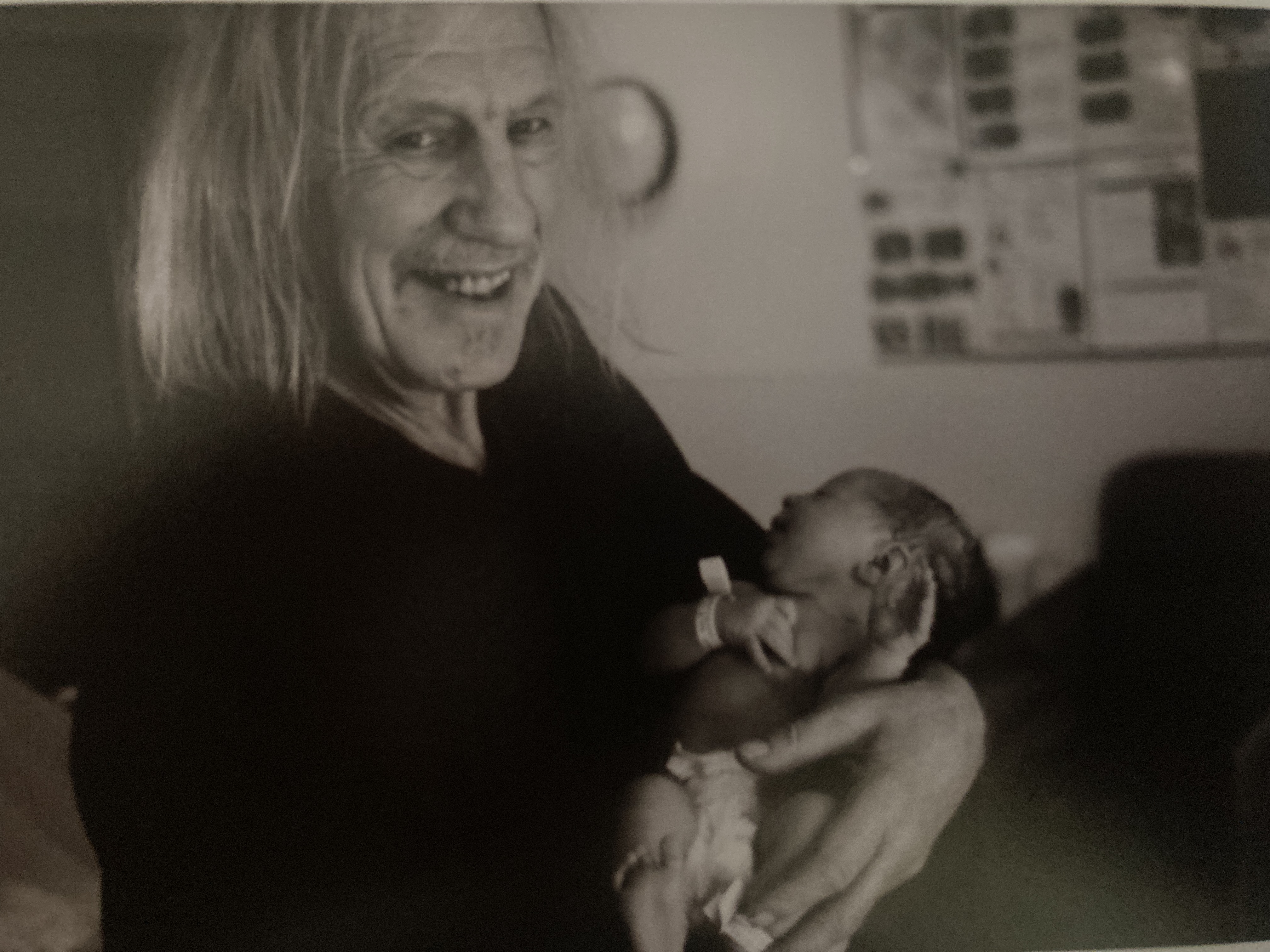
Canadian prosecutors rarely treat a steering wheel as a premeditated weapon, but the devastating May 15 rampage through Vancouver’s West End has forced an extraordinary legal escalation. Tadd Bali, 34, now faces charges of second-degree murder and attempted murder following the death of 75-year-old Johnny Sudds, a wheelchair-bound senior who was struck while navigating a local sidewalk. The transition from initial dangerous driving charges to intentional homicide underscores a systemic shift in how the justice system views severe, localized vehicular violence. It exposes a harrowing reality about pedestrian vulnerability and the high threshold required to prove lethal intent on city streets.
The Anatomy of an Escalate Charge
On the morning of May 15, a Jeep driven by Bali tore through the quiet neighborhood near Comox and Broughton streets. Witnesses described a chaotic sequence where the vehicle mounted sidewalks, careened through the Nelson Park dog area, and sent terrified pedestrians scrambling for cover. Johnny Sudds, unable to rapidly maneuver out of the path of the oncoming SUV, took the brunt of the impact.
The rampage only terminated when the suspect rammed a responding Vancouver Police Department cruiser head-on, flipping his own vehicle and injuring two officers. One of those officers was a recruit on just their second day of field work.
Bali was initially hit with four counts of dangerous operation of a motor vehicle causing bodily harm. When Sudds succumbed to his catastrophic injuries in the hospital on May 24, a legal transformation began behind closed doors.
Crown prosecutors face an uphill battle when elevating traffic fatalities to murder. Under the Canadian Criminal Code, motor vehicle deaths are overwhelmingly funneled into charges of dangerous driving causing death or criminal negligence causing death. The law typically interprets traffic fatalities as failures of care, moments of profound recklessness, or instances of criminal apathy.
To upgrade the file to second-degree murder, the BC Prosecution Service had to determine that the driver possessed subjective foresight of death. They must prove that the accused meant to cause bodily harm that they knew was likely to cause death, and was reckless whether death ensued or not.
The decision to lay an attempted murder charge alongside second-degree murder signals that authorities believe the vehicle-ramming was not a loss of control, but a series of deliberate targeting maneuvers.
The Evidentiary Threshold for a Car as a Weapon
Proving intent using a vehicle requires a mountain of digital and physical forensics that standard traffic accidents never see. Investigators spent weeks reconstructing the exact telemetry of the Jeep, analyzing air bag deployment modules, braking data, and throttle percentages.
- The Sidewalk Trajectory: Tire marks and security footage from the West End show the vehicle operating continuously on pedestrian walkways rather than bouncing off the curb during a loss of control.
- The Absence of Brake Application: Mechanical forensics can pinpoint whether a driver attempted to stop before hitting a pedestrian or accelerated into the collision.
- Sequential Actions: The act of continuing to drive and subsequently ramming a marked police vehicle provides a pattern of behavior that prosecutors use to establish a continuous, hostile state of mind.
The defense will inevitably point toward mental health crises, substance abuse, or sudden neurological events to erode the argument for subjective intent. Bali’s extensive history of interactions with law enforcement across British Columbia and Saskatchewan will become a central battleground during the trial. Prosecutors will lean on this history to establish accountability, while defense attorneys may use it to argue a long-standing lack of capacity or cognitive stability.
The Infrastructure Gap in Pedestrian Protection
While the courtroom debates intent, the community is left to reckon with physical vulnerability. The West End is one of the most densely populated urban neighborhoods in Canada, characterized by narrow streets, mature trees, and heavy pedestrian traffic.
Events like this reveal how easily modern urban design can be breached by a determined or erratic driver. Standard concrete curbs offer zero resistance to a two-ton SUV moving at high speeds.
Cities worldwide have begun implementing passive defense infrastructure, such as crash-rated bollards, reinforced planters, and raised intersections designed to decelerate vehicles before they can access pedestrian zones. Vancouver has implemented some of these measures in high-profile tourist areas like Granville Island or near major transit hubs, but residential arterial streets remain completely exposed.
The death of Johnny Sudds highlights a critical disparity. A vulnerable senior on a motorized scooter or wheelchair has no evasive options when a vehicle claims the sidewalk.
Relying purely on punitive criminal charges after a tragedy occurs does nothing to harden the physical spaces where citizens walk, play, and live. True pedestrian safety requires a shift from reactive policing to defensive urban architecture.
What Happens Next in the Courts
Bali remains in custody as the case transitions into the pre-trial phase. The inclusion of second-degree murder completely alters the mechanics of the defense strategy. A conviction on this charge carries an automatic life sentence with a parole ineligibility period ranging between 10 and 25 years, a stark contrast to the lower sentencing thresholds typically seen in dangerous driving convictions.
The legal proceedings will likely take years to resolve. The complexity of analyzing the electronic control units of the vehicle, combined with extensive medical testimony regarding the gap between the May 15 collision and the May 24 death, means the evidentiary phase will be meticulously parsed.
The Crown has set a high bar for itself. They have decided that this was not a tragic accident, but an intentional act of violence carried out with a vehicle.
The outcome of this trial will send a definitive message regarding how Canadian courts define intent when the weapon of choice has four wheels and a combustion engine.