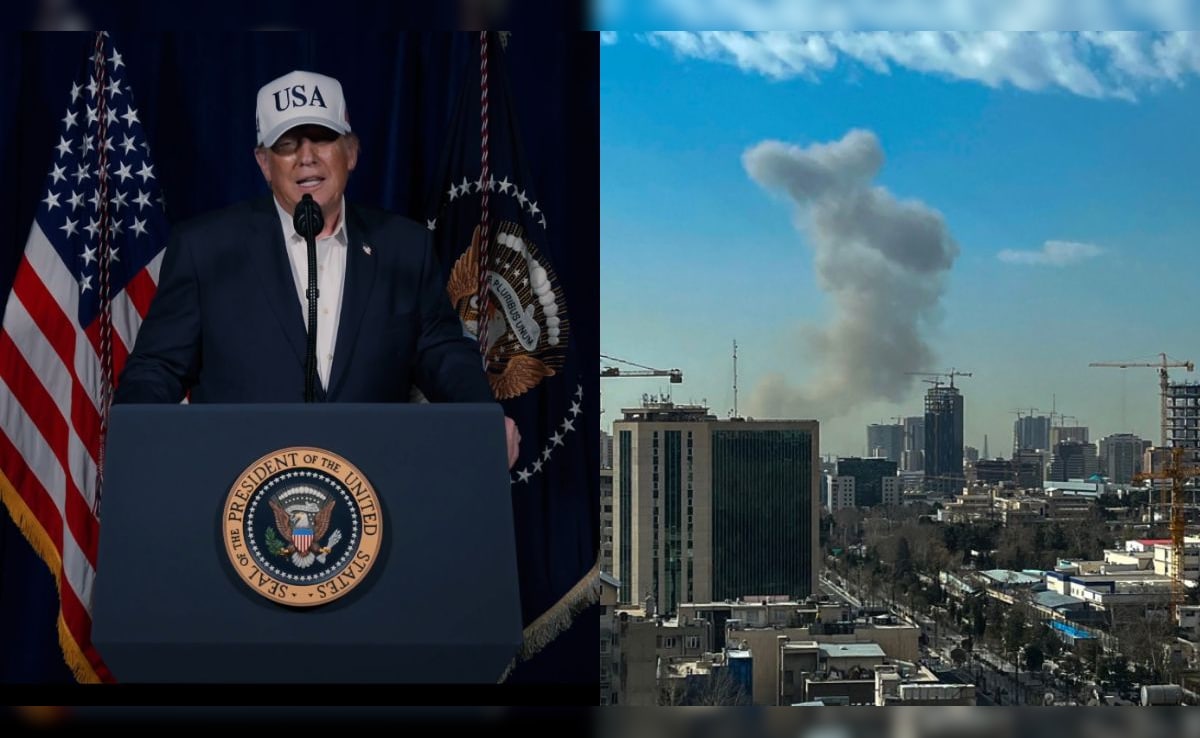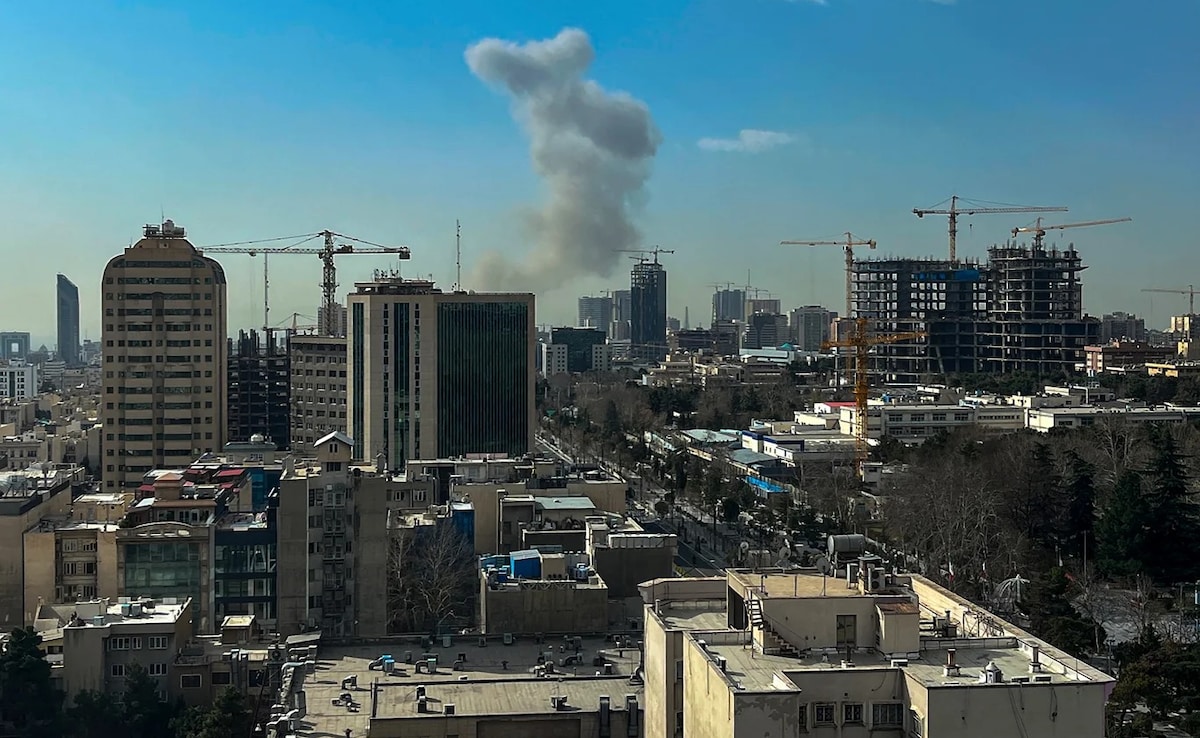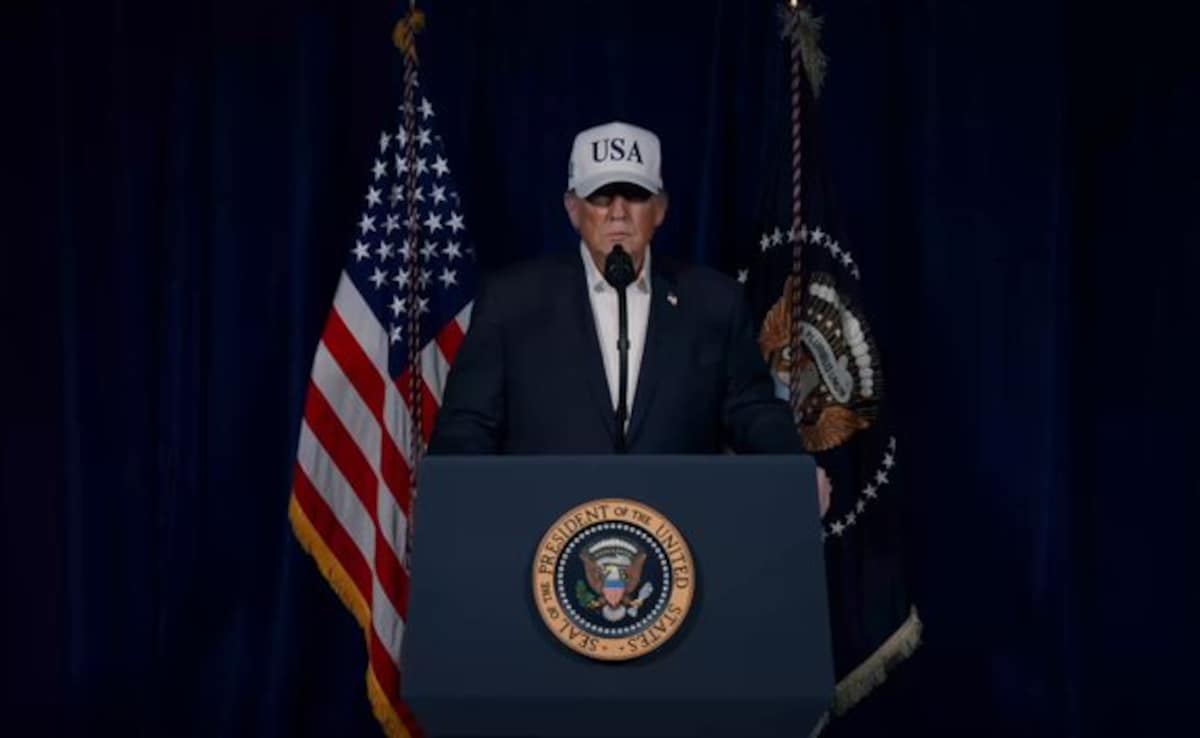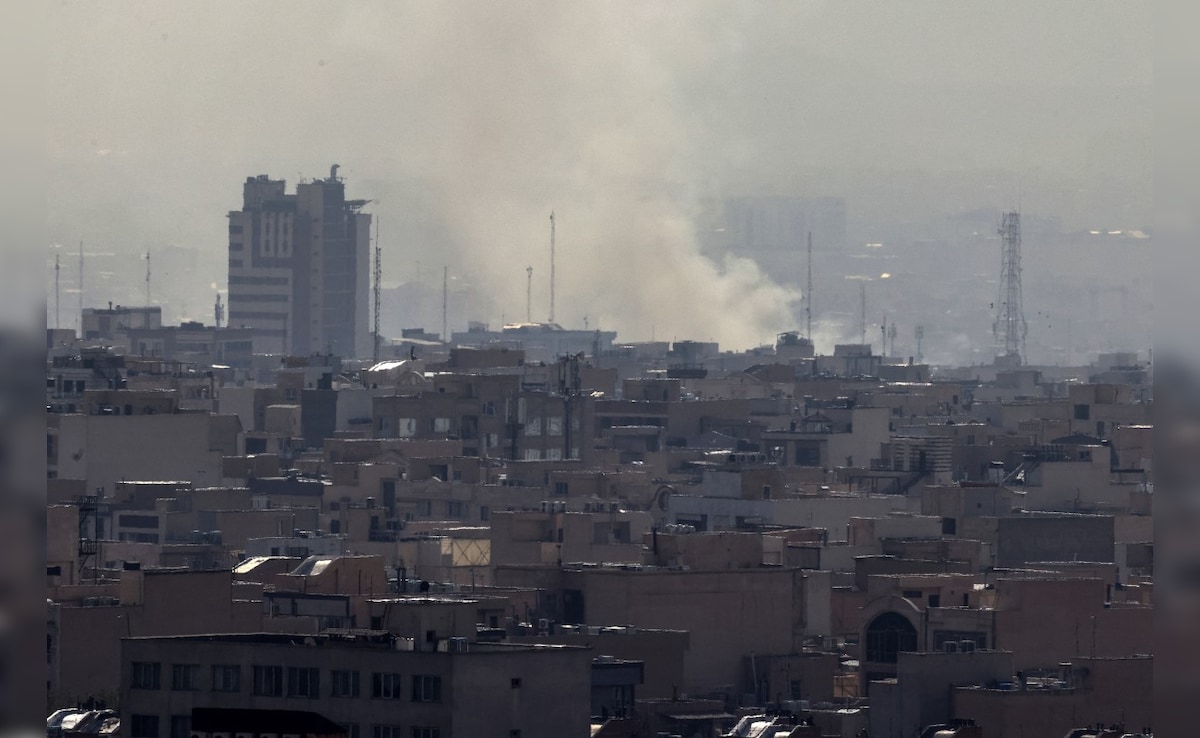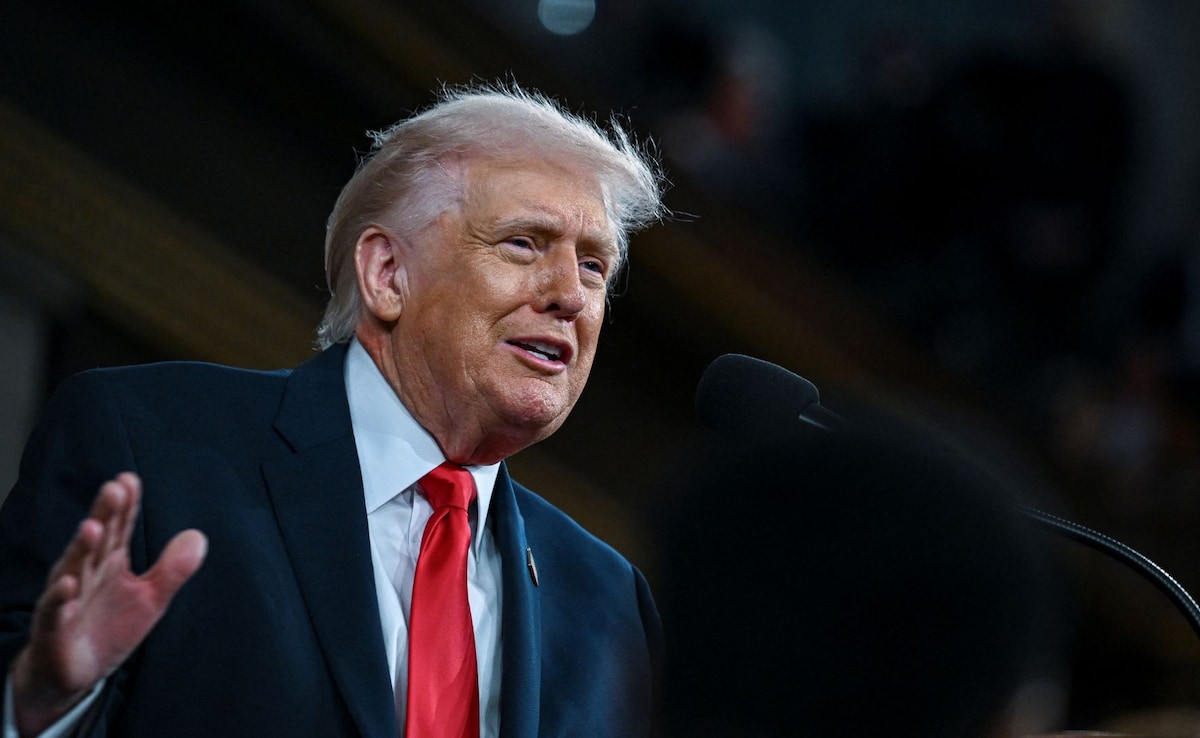
The United States and Israel have launched a massive, coordinated military campaign against Iran, fundamentally altering the map of the Middle East in a single morning. This operation, codenamed Epic Fury by the Pentagon and Roaring Lion by the Israel Defense Forces (IDF), is not a mere "mowing of the grass" or a temporary setback for Tehran’s nuclear ambitions. It is a full-scale decapitation strike intended to force regime change. President Donald Trump, speaking from Mar-a-Lago, stated the objective is to "defend the American people by eliminating imminent threats," while Israeli officials confirmed the death of Supreme Leader Ayatollah Ali Khamenei following a precision strike on his Tehran compound.
By sunrise on March 1, 2026, the Islamic Republic’s decades-old security architecture had been shredded. This was a daylight assault designed to catch the Iranian leadership during a high-level meeting, an audacious gamble that appears to have succeeded in killing not only Khamenei but also the head of the Islamic Revolutionary Guard Corps (IRGC) and the Iranian Defense Minister. While the White House frames this as a defensive necessity to prevent a nuclear-armed Iran, the sheer scale of the "vast armada" deployed—including the aircraft carriers Gerald R. Ford and Abraham Lincoln—reveals a strategy years in the making, now unleashed with terrifying speed.
The Architecture of Decapitation
For years, the intelligence community debated whether a "surgical" strike could ever truly dismantle the Iranian regime. We now have the answer: it looks less like surgery and more like a demolition. The joint operation targeted over 500 sites across Iran, focusing heavily on the command-and-control hubs in Tehran, Isfahan, and Qom.
The decision to strike during the day was a calculated psychological move. Traditionally, such operations occur under the cover of darkness to exploit night-vision advantages. By striking in the morning, the U.S. and Israel signaled total air superiority, betting that the Iranian air defense systems, already degraded by strikes in 2025, would be unable to provide even a token resistance. They were right. Within hours, the Iranian "Sky Guard" was effectively blind, allowing 200 aircraft to loiter over the country and pick off targets at will.
The death of Khamenei creates a power vacuum the likes of which the region has not seen since the 1979 Revolution. Under the Iranian constitution, the First Vice President is expected to take over the administration, but with reports that multiple top-tier officials were in the same bunker as the Supreme Leader, the line of succession is currently a smoldering ruin.
The Missile Industry Erased
While the world watches the political fallout, the Pentagon is systematically dismantling Iran’s industrial heart. Operation Epic Fury has a secondary, equally vital goal: the total annihilation of the Iranian ballistic missile program.
- Production Facilities: Satellite imagery shows massive craters where the missile assembly plants in western Iran once stood.
- The Navy: President Trump explicitly stated the intention to "annihilate" the Iranian Navy, a move meant to ensure the Strait of Hormuz remains open to global shipping.
- Nuclear Infrastructure: Unlike the limited strikes of previous years, these attacks aimed to "raze" the research facilities to the ground, ensuring that even if the regime survives, its path to a weapon is buried under millions of tons of concrete and twisted steel.
The Regional Inferno
Iran did not go quietly. In the hours following the initial bombardment, Tehran launched what remained of its missile inventory. This was not a focused strike on Israel alone; it was a broad, vengeful lash-out at every U.S. ally in the vicinity.
Missiles and drones rained down on Bahrain, Kuwait, Jordan, Qatar, and the United Arab Emirates. In Dubai, smoke rose near the Burj Al Arab as Iranian drones targeted the Jebel Ali anchorage, disabling a ship carrying ammunition for the U.S. Navy. The message from Tehran is clear: if we burn, the entire neighborhood burns with us.
The human cost is already mounting. While the U.S. Central Command denies any American fatalities, Israeli emergency services confirmed the death of a woman in Tel Aviv. In Iran, the state media reports over 200 dead, including school children in the city of Minab—a claim that, if verified, will complicate the Trump administration’s efforts to win over the "proud people of Iran."
The Gamblers at the Table
This operation was not a sudden "fit" of aggression. Investigations suggest the timeline was solidified two weeks ago during a meeting in Washington between Trump and Israeli Prime Minister Benjamin Netanyahu.
It appears a "Maximum Pressure" 2.0 strategy failed to produce the desired diplomatic concessions, leading the White House to conclude that the only way to "fix" the Iran problem was to end the regime itself. This is a radical departure from the 2003 Iraq model, which relied on ground troops. Here, the U.S. is betting entirely on airpower and internal revolt.
Trump’s address to the Iranian public—telling them "the hour of your freedom is at hand" and "it will be yours to take"—is a massive geopolitical gamble. It assumes that a population that has been brutally repressed for decades is ready and able to seize the reins of power the moment the central leadership is removed. However, history suggests that when a regime's head is cut off, the body often collapses into chaotic, multi-sided civil war rather than a peaceful transition to democracy.
The Domestic Backlash
Back in Washington, the political fallout is as volatile as the Middle East. Congressional leaders, including Senator Mark Warner and Representative Thomas Massie, have condemned the strikes as "illegal" and "unauthorized by Congress." The "Gang of Eight" was reportedly given only a last-minute alert, a move that sidestepped the War Powers Act and has left both sides of the aisle questioning the constitutional authority for such a massive escalation.
The Trump administration’s defense is simple: preemption. Officials claim they had "indicators" that Iran was planning its own preemptive strike on U.S. targets. In the world of high-stakes intelligence, "indicators" can be anything from a troop movement to a misinterpreted radio transmission. By acting first, Trump has avoided a potential "Pearl Harbor" scenario but has simultaneously invited a regional war that may last months or years.
The Broken Window of Diplomacy
The most tragic casualty of Operation Epic Fury may be the concept of diplomacy itself. Just weeks ago, indirect talks in Oman were supposedly making progress. A second round was scheduled for Geneva. By choosing the path of total military confrontation, the U.S. and Israel have effectively declared that the era of the JCPOA and "containment" is dead.
We are now in a world where the only remaining tool is the Tomahawk missile. The Iranian regime, weakened and desperate, still commands the loyalty of various "Axis of Resistance" proxies. From the Houthis in the Red Sea to Hezbollah in Lebanon, the response is likely to be asymmetric, bloody, and prolonged.
The administration’s hope that this will be a "short" campaign seems optimistic at best. When you kill a Supreme Leader, you don't just win a war; you start a new, unpredictable chapter of history. The U.S. has committed its "vast armada" to a fight that has no clear exit strategy, betting that the Iranian people will do the hard work of rebuilding a nation while bombs are still falling on their streets.
Would you like me to analyze the specific impact of these strikes on global oil prices and the Strait of Hormuz shipping lanes?