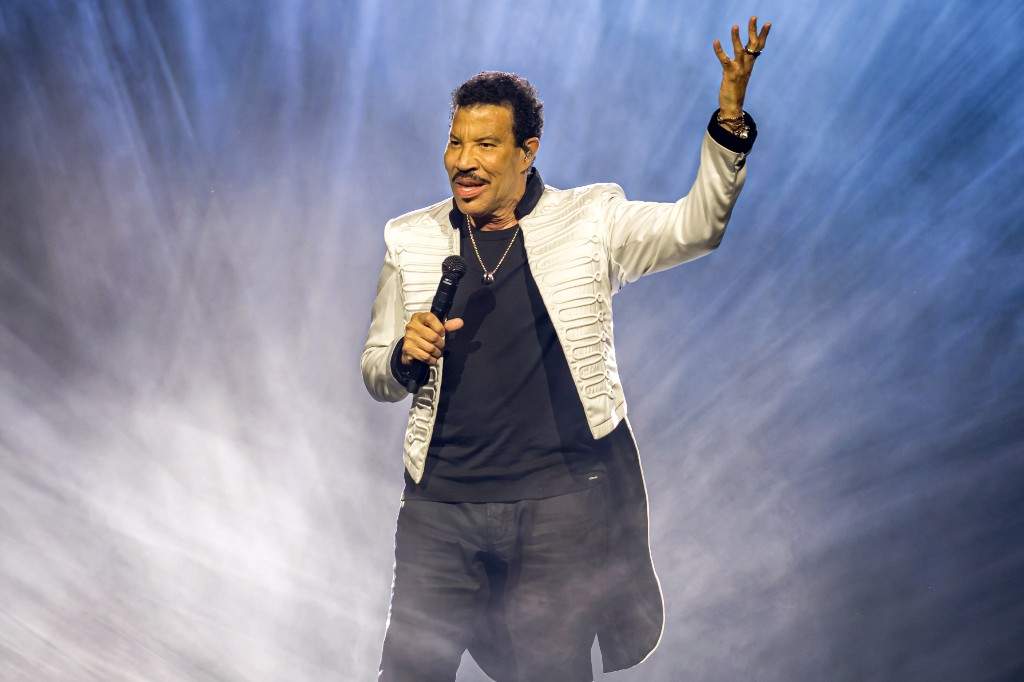
When seventy-seven-year-old Lionel Richie sat down on a raised platform mid-performance during the opening night of his North American tour in St. Paul, Minnesota, the crowd initially laughed at his self-deprecating wit. He joked about his sudden dizziness, attempting to mask a unfolding physical crisis with the seasoned charm of a performer who has spent five decades under the spotlight. But the humor quickly evaporated when he left the stage after a seated rendition of a classic ballad, never to return. His subsequent brief hospitalization and the immediate postponement of multi-city arena dates in Chicago and Columbus, Ohio, underscore a stark reality that the live music industry routinely attempts to gloss over. The modern stadium and arena touring circuit is an punishing machine, and it is pushing aging pop and rock icons to their absolute physical limits.
The official narrative from tour promoters and publicists followed a familiar script. Live Nation announced that the singer was heartbroken but acting under medical advice to rest and return to full health. Touring musicians whispered about dehydration, pointing out the intense heat generated by modern arena lighting packages and the sheer cardiovascular demand of a ninety-minute set. While these explanations are likely accurate on a surface level, they ignore the systemic machinery that drives an artist of Richie’s legendary stature to mount a grueling twenty-six-date co-headlining tour with Earth, Wind & Fire. This is not merely a story about an aging musician needing a glass of water and a few days of bed rest. It is a window into the high-stakes, high-liability business of legacy touring, where the financial stakes are so immense that stopping a show midway through is treated as an absolute worst-case scenario.
To understand the intense pressure behind the scenes, one must look at the shifting economics of the music business over the past two decades. Recorded music, once the primary engine of wealth for superstars, has transformed into a low-margin promotional tool due to the dominance of streaming platforms. Live performances are no longer mounted to support an album. The live tour is the business. For heritage acts, the financial imperative is particularly acute. These artists command massive guarantees from corporate promoters, often running into hundreds of thousands or even millions of dollars per night. When a show is halted or canceled, the economic domino effect begins immediately, impacting venue staff, local vendors, backing musicians, and complex logistics networks utilizing dozens of semi-trucks traveling across state lines.
The physical toll of these tours is frequently hidden behind meticulously designed stage production. Modern staging utilizes specialized engineering to minimize the distance an aging artist has to walk, incorporating hidden resting points, strategically placed teleprompters, and vocal arrangements that shift difficult high notes to younger, highly capable background singers. Yet, no amount of staging can alter human biology. Performing live requires sustained adrenaline, cardiovascular endurance, and the ability to withstand extreme temperature fluctuations under heavy costumes and thousands of watts of stage lighting. When an artist reaches their late seventies, the physiological margin for error shrinks dramatically. A minor bout of fluid loss or a slight drop in blood pressure that a thirty-year-old performer would easily shake off can instantly manifest as severe vertigo, dangerous exhaustion, or cardiac strain in an older individual.
The Economic Machinery of the Megatour
Corporate promoters operate on highly calculated financial models where ticket prices are pushed to historic highs to cover soaring production costs and massive artist guarantees. Nostalgia is currently the most valuable commodity in entertainment. Audiences are willing to pay premium prices to see the definitive voices of their youth one last time, creating a sense of urgency that promoters leverage to sell out massive sports arenas. This urgency creates an atmosphere where postponement is a logistical nightmare.
Rescheduling a stadium or arena date involves a complex puzzle of finding open nights in venues that host professional sports teams, major conventions, and other touring acts. A single cancellation can throw an entire tour itinerary into disarray, forcing trucking crews to reroute and driving up overhead costs that eat away at the tour's profit margins.
The insurance policies governing these massive operations are notoriously stringent. Promoters must secure high-premium event cancellation insurance to protect against losses from illness, adverse weather, or structural failure. For performers over the age of seventy, underwriters demand exhaustive medical evaluations before issuing a policy. These contracts often contain strict clauses regarding pre-existing conditions and lifestyle factors. If an artist cancels a show without a definitive, documented medical emergency that meets the underwriter's threshold, the financial losses may fall entirely on the promoter or the artist's own production company. This financial reality creates a powerful incentive for artists to take the stage even when they are feeling profoundly unwell, pushing through early symptoms of exhaustion until their bodies give out completely.
The Shift in Fan Expectations and Production Reality
The relationship between legacy acts and their audiences has evolved in tandem with rising ticket costs. When a fan pays hundreds of dollars for a seat in the upper tier of an arena, their expectation of a flawless, high-energy spectacle increases significantly. They expect to see the icon they remember from music videos and television broadcasts, not an aging human struggling with the natural progression of time.
This demand for perfection forces heritage artists into a grueling regime of physical preparation, demanding diets, and intense rehearsal schedules that mimic the preparation of professional athletes. The paradox is that while athletes retire in their thirties, pop icons are expected to perform at an elite level well into their seventies and eighties.
The technical environment of modern arenas complicates this dynamic further. LED walls, specialized lasers, and kinetic lighting rigs create a breathtaking visual experience for the audience, but they create a challenging microclimate on the stage itself. The ambient temperature can spike rapidly, and the strobe effects and rapid visual shifts can easily induce disorientation or exacerbate inner-ear imbalances in older performers. When Richie noted that he was experiencing a dizzy spell while performing a fast-paced track, he was describing a known occupational hazard of the modern arena environment. The sudden transition from high-intensity movement to sitting down at a piano represents a sudden shift in circulatory demand, a moment where the body's cardiovascular regulatory mechanisms are tested to their limits.
The Future of the Heritage Touring Industry
The live entertainment industry is rapidly approaching a critical crossroads as the generation of artists who defined the stadium rock and pop eras enters their twilight years. The list of active performers over the age of seventy-five who continue to sell out arenas across the globe is shrinking, and each health scare serves as a stark reminder of the mortality of these cultural icons. Promoters are fully aware that the window for these highly lucrative legacy tours is closing, which explains the dense scheduling and aggressive routing of current tours. The drive to maximize revenue while these artists are still capable of performing creates a relentless pace that leaves very little time for adequate rest and recovery between cities.
Alternative models are beginning to emerge as the industry looks for ways to sustain the legacy music business without relying on the physical endurance of aging stars. Virtual residencies, high-tech hologram performances, and avatar-driven spectacles are transitioning from experimental novelities into legitimate, highly profitable business models. These technological solutions allow an artist's brand and catalog to generate massive live event revenue without requiring the individual to step onto a tour bus or endure the grueling physical demands of live public performance. While some purists argue that these digital presentations lack the raw emotional connection of a live human performance, the financial success of these initiatives suggests that a large segment of the ticket-buying public is willing to accept digital avatars in exchange for hearing the definitive soundtracks of their lives in a shared environment.
The ultimate takeaway from the St. Paul incident extends far beyond a single night of disrupted entertainment or a temporary disruption in a tour schedule. It highlights the unsustainable friction between human frailty and the unyielding demands of global entertainment capitalism. As long as the market demands stadium-scale nostalgia, aging artists will continue to step into the lights, risking their personal well-being to feed a corporate machine that cannot easily afford to pause. The line between a triumphant celebration of lifelong showmanship and a visible medical crisis on stage has never been thinner.