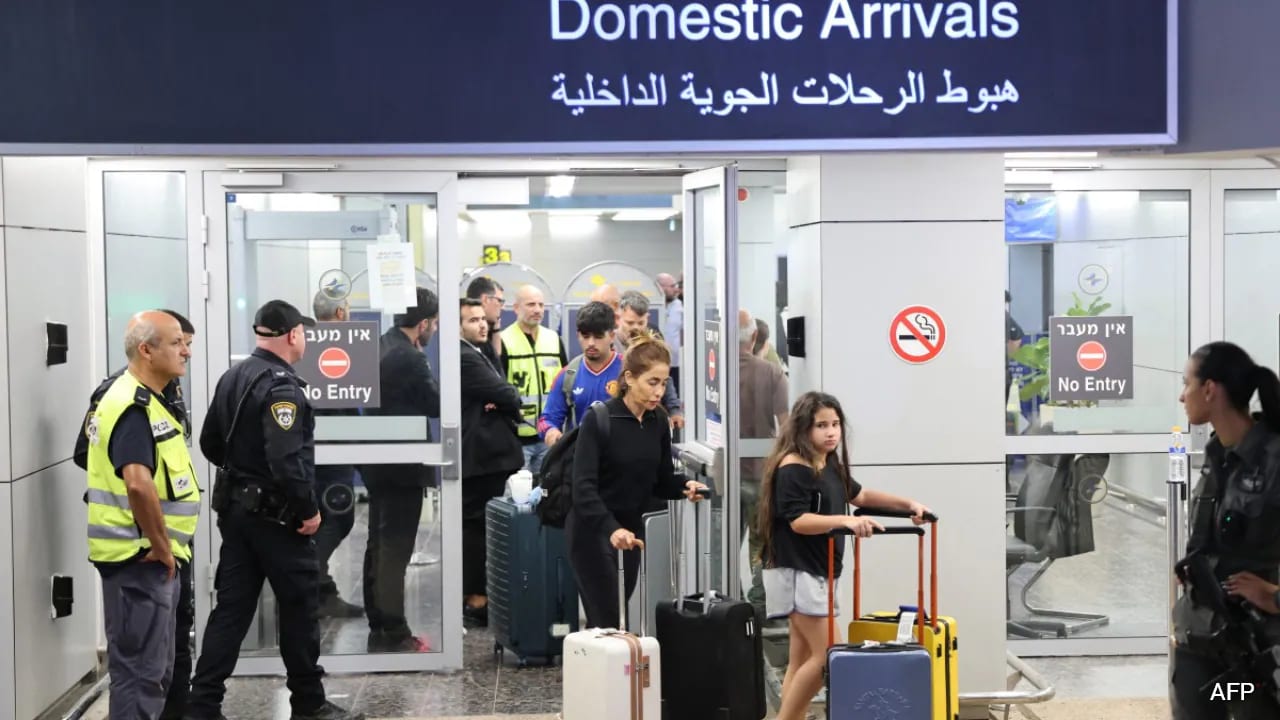
Municipal leaders from American border cities are flying north. They carry a simple message to Canadian audiences. Please come back.
A growing grassroots boycott of travel to the United States among Canadian citizens has begun to pinch local economies in states bordering the north. Retailers, hoteliers, and tourism boards are feeling the squeeze of empty parking lots and quiet hotel lobbies. Political rhetoric and shifting national attitudes have created a friction point that transcends standard economic calculations. Tourism is rarely just about leisure. It relies entirely on a baseline of mutual goodwill and cultural comfort. When that baseline fractures, the financial consequences follow quickly.
For decades, the flow of travelers across the northern border felt perpetual. Canadians drove down for weekend shopping trips, hockey tournaments, and coastal vacations, injecting billions of dollars into border communities from Washington State to New York. That exchange was treated as an invisible baseline of regional commerce.
Now, that baseline is actively being questioned.
The roots of the current friction run deeper than a single political cycle or a sudden shift in currency exchange rates. Travelers evaluate risk and comfort through a cumulative lens. Headlines concerning policy disputes, safety perceptions, and heightened rhetoric at international crossings accumulate in the public consciousness over time. When citizens decide to redirect their vacation dollars inward or toward European destinations, they are making a quiet statement about how they perceive their southern neighbor.
American mayors representing these affected economic zones find themselves in an awkward position. They did not craft national policies or author the diplomatic friction driving the sentiment, yet they bear the brunt of the lost revenue. Local Chambers of Commerce are scrambling to launch charm offensives. They emphasize local hospitality, shared cultural ties, and economic interdependence.
Charm offensives face an uphill battle when consumers have alternative choices. Modern travelers possess unprecedented agility. If a destination feels unwelcoming or politically charged, shifting plans requires only a few clicks.
Economists tracking regional metrics note that retail sectors in border states depend heavily on international foot traffic for profitability, particularly during shoulder seasons. When those shoppers stay home, margins evaporate. Small businesses bear the heaviest burden. A boutique hotel in Bellingham or a restaurant in Buffalo cannot easily pivot its business model to replace an entire demographic of loyal foreign visitors overnight.
The dialogue between visiting U.S. municipal leaders and Canadian community groups highlights a fundamental truth about modern geopolitics. National decisions carry hyper-local consequences. Mayors can plead for economic pragmatism, but travel choices remain emotional decisions tied to personal comfort and identity.
Repairing a fractured tourism corridor requires more than promotional discounts or reassuring speeches. It demands a sustained demonstration of cultural alignment and mutual respect. Until that trust is fully re-established, the empty rooms and quiet retail floors along the border will serve as a visible reminder that consumers vote with their passports.