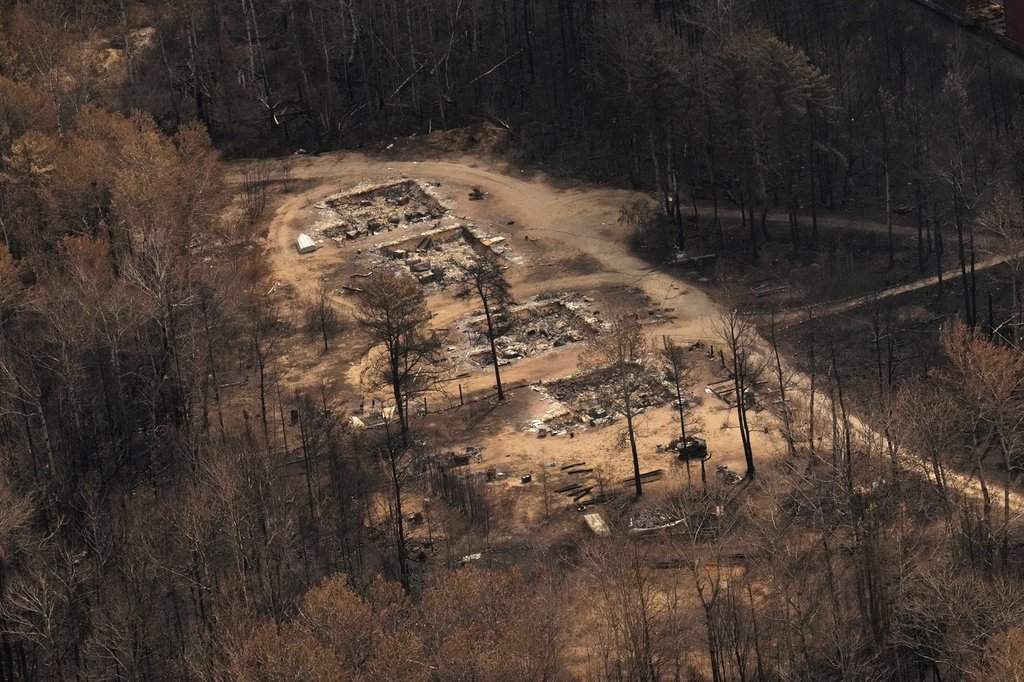
The fragments of advanced jet-powered loitering munitions scattered across plowed fields near Dorohusk do not merely mark a shift in regional security. They expose an economic and strategic vulnerability that no amount of diplomatic rhetoric can mask. When modernized Russian drones strike within kilometers of the Polish frontier—or when errant munitions diverted by intense electronic warfare ripple across borders—Warsaw finds itself trapped in a grueling calculation. The architecture of modern air defense was built for high-altitude supersonic threats, not waves of cheap, plywood-and-foam or mass-produced jet drones designed to bankrupt defenders through sheer cost asymmetry.
For months, the official line from European capitals has emphasized solidarity and reinforced patrols. Yet beneath the diplomatic facade lies a quiet panic among military planners. Poland has pledged to harden its eastern frontier, boosting air surveillance and upgrading local infrastructure. But the core dilemma remains unaddressed. Firing a multi-million-dollar interceptor missile at a low-cost platform is a losing math problem. Moscow understands this dynamic intimately. By repeatedly pushing the envelope of NATO airspace and forcing scrambling operations from F-16s and allied jets, the Kremlin is conducting a live-fire stress test of Western operational stamina. For an alternative look, consider: this related article.
To understand why traditional deterrence is faltering along the Polish-Ukrainian border, one must look closely at the mechanics of the threat. The corridor connecting Western logistics hubs to Ukraine is the literal lifeline of the Ukrainian defense. Recognizing this, Russian strategy has increasingly targeted the logistics nodes, rail junctions, and border crossings that keep civilian and military supplies moving. When these strikes creep within spitting distance of NATO territory, the risk of miscalculation skyrockets.
Consider a hypothetical scenario that keeps defense analysts awake at night. A swarm of fifty low-signature drones targets western Ukrainian supply depots during a heavy electronic jamming campaign. Navigation systems fail, local GPS spoofing disorients the guidance computers, and a dozen unmanned vehicles cross an invisible line into Polish airspace. Do surface-to-air batteries fire immediately, risking debris fallout over civilian populations, or do commanders wait, gambling that the objects will loop back out before hitting critical infrastructure? There is no clean playbook for this kind of gray-zone friction. Related analysis on this trend has been published by NBC News.
The political fallout inside Poland is equally jagged. Prime Minister Donald Tusk’s administration faces competing pressures from a public demanding absolute sovereignty and military realists who know that closing the sky completely is an engineering impossibility. Proposals to expand airfields, such as the ongoing logistical upgrades at Wrocław, and bilateral agreements to integrate anti-ballistic defenses are necessary steps. However, they are reactive measures. They treat the symptoms of a fractured security architecture rather than the underlying disease.
Compounding the problem is the friction of alliance politics. While NATO's collective posture has tightened under initiatives designed to protect the eastern flank, individual member states retain different risk tolerances. Some Western European capitals still view border incursions through the lens of accidental spillover, while Warsaw and its Baltic neighbors view them as deliberate probes of Western resolve. This perceptual chasm prevents the kind of unified, aggressive counter-strategy that might actually alter Moscow's calculus.
Foreign Minister Radoslaw Sikorski recently noted that European NATO air forces possess the capability to dismantle a vast portion of opposing petroleum infrastructure if provoked. Such statements are designed to project strength, yet they also underscore the dangerous escalatory ladder both sides are climbing. Every time a drone breaches airspace or forces a scramble, the threshold for a catastrophic misfire lowers.
The reality on the ground is stark. Strengthening security along the border is no longer just about buying more hardware or deploying extra helicopter squadrons. It requires fundamentally rethinking how democratic nations defend open societies against attrition warfare. If the West continues to rely solely on expensive kinetic intercepts to counter cheap saturation tactics, the financial and political exhaustion will settle in long before the physical threat recedes.
Warsaw can build all the bunkers, expand all the airbases, and invoke diplomatic protocols until fatigue sets in. Until the alliance develops a cost-effective, layered counter-unmanned aerial system network that can neutralize low-altitude threats without draining national treasuries, the border will remain dangerously porous. The alarm bells have rung repeatedly across the fields of eastern Poland. Ignoring the math behind them is a luxury the alliance no longer possesses.