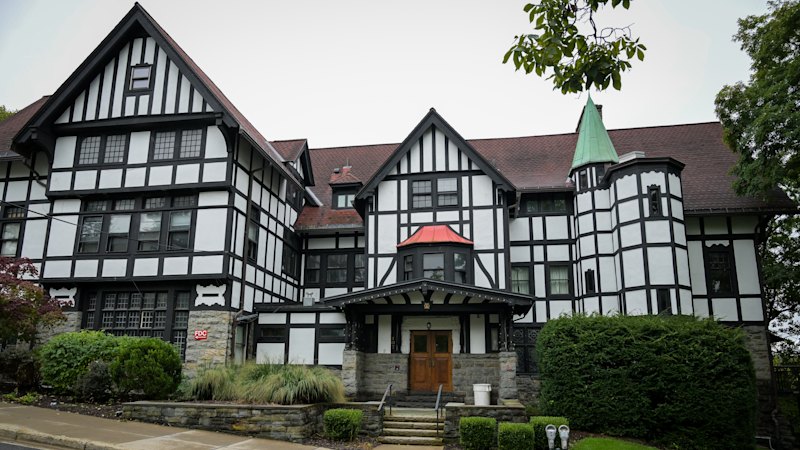
Every time a high-profile campus scandal breaks, the playbook is entirely predictable. Headlines scream about toxic brotherhood, administrators issue sanctimonious statements about zero tolerance, and law enforcement scrambles to reopen cold files under intense public pressure. The narrative is always neat, packaged, and profoundly dishonest. It reduces a systemic, structural failure of higher education to the bad behavior of a single chapter house.
Stop treating Greek life like an isolated criminal syndicate operating in a legal vacuum. Fraternities do not exist in a sovereign state. They operate under the direct charter, supervision, and liability umbrella of the universities themselves. When a campus administration outsources student housing and social life to private organizations because it is cheaper and keeps liability at arm's length, they are manufacturing the exact conditions that lead to tragedy.
Look at how the machinery actually operates behind closed doors. Universities collect tuition, enforce codes of conduct, and pocket massive endowments, yet they routinely pretend they have zero control over off-campus or quasi-independent social organizations until a lawsuit forces their hand. The sudden reopening of criminal investigations following civil litigation is not a triumph of justice. It is an indictment of a system that only moves when financial liability threatens the balance sheet.
I have watched institutions spend millions on public relations campaigns and mandatory online training modules that nobody reads, treating compliance as a box-checking exercise rather than a cultural baseline. These digital modules do not protect anyone. They protect the university's legal counsel. They create a paper trail of plausible deniability while doing absolutely nothing to disrupt the predatory dynamics fostered in unregulated environments.
The lazy consensus is that if you ban the houses, you eliminate the crime. History shows the exact opposite. When you push social life completely underground into unmonitored apartments and off-campus spaces, you strip away whatever marginal oversight actually existed. You do not solve a safety crisis by driving it further into the dark. You exacerbate it by removing witnesses, emergency protocols, and institutional touchpoints.
Real reform requires dismantling the corporate university model that prioritizes brand protection over student safety. Until boards of trustees are held personally accountable for institutional negligence, and until administrative cover-ups carry real criminal weight, these cycles of outrage followed by selective prosecution will continue.
The next time a scandal dominates the news cycle, do not look only at the fraternity brothers. Look at the executives in the administration building who traded safety for a clean reputation and called it risk management.


