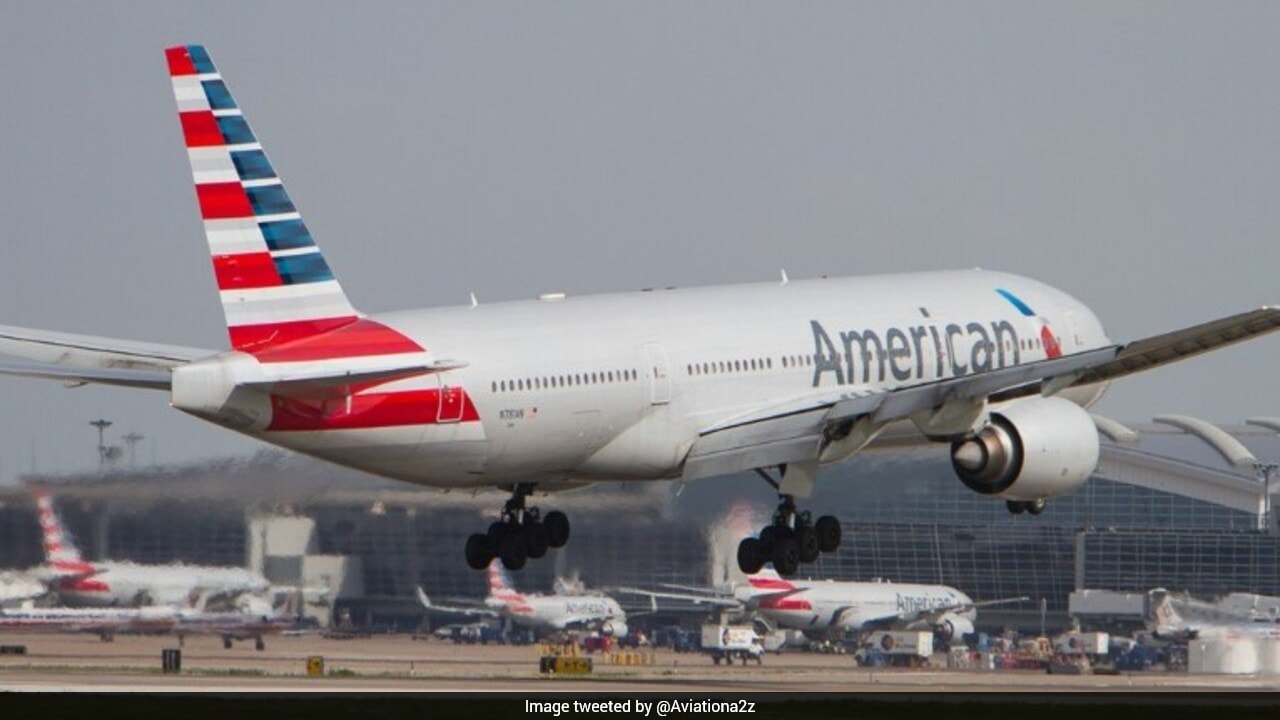
Every time two commercial jets get within spitting distance of each other on an active runway or in crowded airspace, the aviation press loses its mind over a phantom culprit. The headlines roll out with predictable outrage. Flight number confusion. Sim sound-alikes. Controller fatigue.
It is comforting to point a finger at a rookie mistake or a mumbled radio transmission. It lets the public believe the system is fundamentally sound, save for a few human blunders that just need a memo or a software patch to fix.
That narrative is a comforting fairy tale. I have spent decades watching operators, regulators, and airlines chase the wrong ghosts while the real structural vulnerabilities widen.
Focusing on a flight number mix-up as the root cause of a near collision is like blaming the steering wheel for a drunk driver hitting a tree. The incident is not the disease. It is the symptom of an architecture that treats human attention as an infinite resource.
The Lazy Consensus of Human Error
The standard post-mortem following a near miss follows a rigid script. An air traffic controller issues a clearance. Two planes with similar call signs read back or acknowledge instructions meant for their counterparts. A catastrophic convergence ensues until a collision avoidance system or a last-second evasive maneuver saves the day.
Then comes the knee-jerk diagnosis. The operators were tired. The airline should not schedule similar flight numbers on the same route at the same time. The controller should have spoken slower.
This is lazy thinking dressed up as safety culture.
Human error is not a cause; it is a symptom. When a system relies on a pilot hearing a specific syllable over a crackling VHF radio frequency while managing twenty other tasks, human error is not an anomaly. It is a mathematical certainty. If your safety margin depends on an individual never having a momentary lapse in auditory processing, your safety margin is zero.
We do not have a flight number problem. We have an over-reliance on a century-old communication protocol that treats human brains like faultless computers.
Why Call Sign Deconfliction is a Band Aid on a Broken Leg
Airlines and civil aviation authorities love to tout call sign deconfliction programs. They run algorithms to catch phonetic lookalikes before flight schedules lock in. If American Airlines Flight 1243 and American Airlines Flight 1423 are scheduled to depart adjacent hubs or cross paths, the computers flag it. A scheduler tweaks a digit. Everyone pats themselves on the back.
Imagine a scenario where you patch a leaky pipe with chewing gum, paint over the drywall, and declare the plumbing fixed. That is call sign deconfliction.
Phonetic similarity is a red herring. Controllers and flight crews deal with simultaneous transmissions, stepped-on radio calls, regional accents, and high-stress cognitive load. A pilot does not need identical numbers to mishear an instruction. They just need to be distracted by an engine warning, a sudden routing change, or a severe turbulence report at the exact moment a controller speaks.
When you strip away the administrative theater, you realize that voice communication over analog radio frequencies is the single greatest point of failure in modern commercial aviation. We fly multi-million-pound carbon-composite tubes packed with hundreds of lives, navigating three-dimensional space at five hundred miles per hour, relying on walkie-talkie technology that would look familiar to a radio operator in World War II.
The Data They Ignore
Look past the sensationalist reporting of near misses and examine the safety data. The Federal Aviation Administration and the National Transportation Safety Board track operational errors with clinical detachment. Year after year, controller-pilot communication errors remain stubbornly persistent, despite endless safety stand-downs, mandatory retraining, and stricter scheduling rules.
Why? Because the environment continues to grow exponentially more complex while the fundamental human-machine interface remains frozen in amber.
Airspace congestion is increasing. NextGen automation programs promise relief, but they often dump more data onto flight decks that are already drowning in procedural overhead. When a controller is working forty aircraft across multiple sectors, managing handoffs, weather deviations, and emergency declarations, the cognitive bandwidth vanishes.
Under that kind of load, a misheard digit is not a sign of incompetence. It is a biological inevitability. Expecting zero errors in an environment engineered to maximize cognitive fatigue is institutional gaslighting.
The Uncomfortable Solution Nobody Wants to Fund
If we want to stop near misses, we have to stop tinkering at the margins and dismantle the holy cow of analog voice communication.
Data-link communications, where routine clearances are sent textually to flight management systems rather than spoken aloud, exist today. But adoption crawls at a glacial pace because of legacy inertia, regulatory friction, and the sheer cost of retrofitting global fleets.
Airlines would rather pay out fines, absorb PR hits from runway incursions, and rely on the heroics of air traffic controllers to pull iron out of the fire than invest heavily in total digital integration.
Furthermore, we need to completely rethink how traffic separation is automated. The cockpit needs smarter, predictive conflict-resolution systems that do not wait for a pilot to notice a conflicting call sign. We need an architecture that assumes human pilots and controllers will miss things, and compensates instantly and autonomously.
Stop blaming the pilots who miss a digit. Stop blaming the controller who gets tongue-tied under pressure. Fix the archaic architecture that set them up to fail in the first place. Until we pull our heads out of the radio static, every near miss is just a warning we chose to ignore until our luck runs out.
,webp/025/102/772/1280x720.17252177.jpg)


.jpeg?width=1200&auto=webp&trim=0%2C86%2C0%2C85)