The map of Florida is a cruel geometry. It is a state carved by asphalt, partitioned by white picket fences, and paved over with the unyielding ambition of strip malls and retirement communities. If you look at it from the air, you see the aggressive grid of human progress pressing inward from the coasts, choking the green interior until nothing is left except a series of isolated botanical cages. We call these preserves, but they often feel like open-air museums, monuments to a wilderness we successfully conquered and then grew suddenly, desperately nostalgic for.
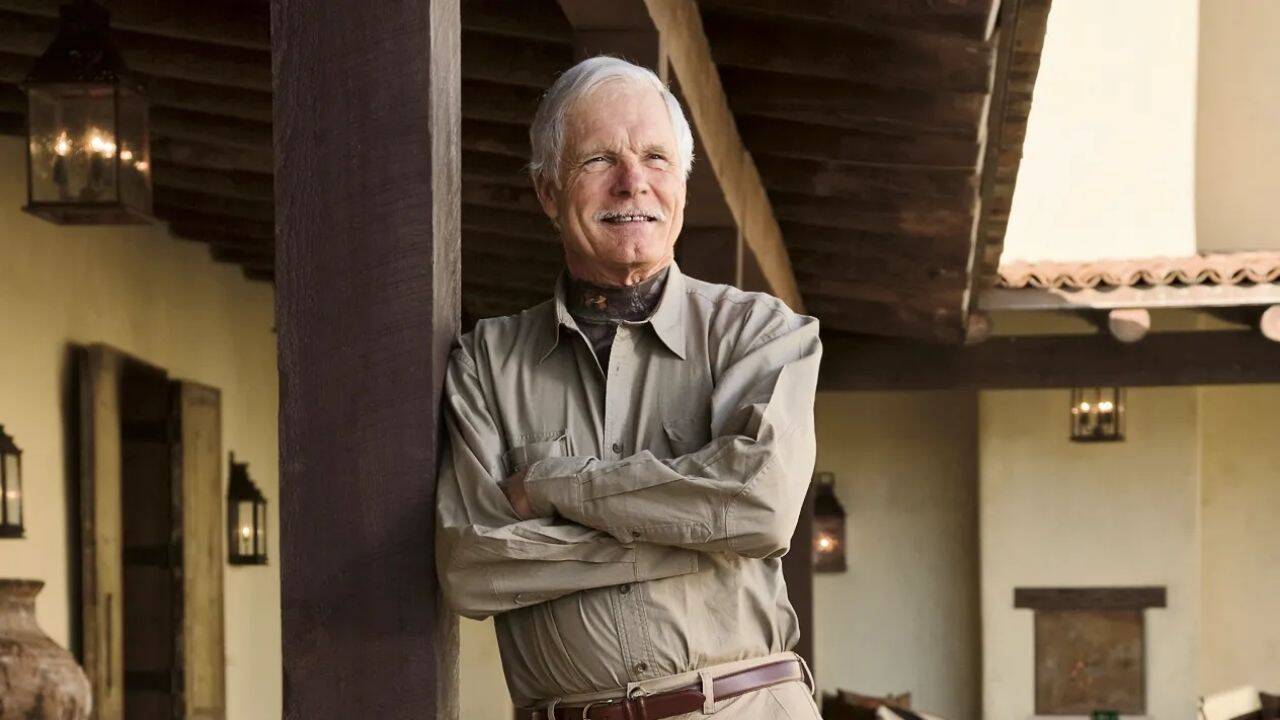
Ted Turner looked at that vanishing map and decided to write a different ending.
Most people know him for the blue glow of a television screen. In 1980, he launched CNN and changed how humanity consumes panic, delivering the world in real-time, twenty-four hours a day, straight to the living room carpet. He was the Mouth of the South, a billionaire sailor, a media magnate whose personality was as loud as a cable news chyron. But while the rest of the world watched him buy television networks and baseball teams, Turner was quietly executing a far more radical acquisition. He was buying dirt. Not for condominiums. Not for golf courses. He was buying land simply to give it back to the silence.
Today, Turner is the second-largest individual landowner in North America. Across the continent, he accumulated over two million acres, transforming private ranches into massive ecological reserves. But nowhere is this quiet reclamation more startling than in the flat, sun-bleached expanse of Florida, where he assembled thousands of acres of historic cattle land, turning a commercial enterprise into a sprawling, breathing wildlife hub.
To understand what happened to those Florida acres, you have to understand the smell of turpentine and burned pine.
Imagine standing on a stretch of central Florida scrubland just before dawn. The air is heavy, thick with the scent of humidity and crushed palmetto fronds. In the distance, a pair of sandhill cranes begins their pre-dawn rattling, a prehistoric sound that predates every highway and billboard in the state. For decades, this specific tract of land was working property. It was stamped by the hooves of cattle and marked by the scars of timber production. It was managed for profit, stripped of its complexity, and reduced to the single economic note of beef and board feet.
When private capital moves into land like this, the script is usually predictable. Bulldozers arrive. Wetlands are ditched. The live oaks are pushed into towering, smoking piles to make way for pastel-colored stucco subdivisions where every street is named after the oak tree it murdered.
Turner did something heretical. He kept the land, but he fired the bulldozers.
Instead of partitioning the property into quarter-acre lots, he managed it as a working ranch operating in absolute harmony with the ghosts of the original ecosystem. This is the paradox of modern conservation that we rarely talk about: sometimes, the best way to save the wild is to let humans stay, provided they change their shoes. Turner Enterprises did not lock the gates and throw away the key. They reintroduced historic fire regimes, letting lightning-strike blazes sweep through the understory the way nature always intended. They pulled out invasive plants, restored natural hydrological flows, and most importantly, they brought back the native fauna that had been erased by a century of progress.
The red-cockaded woodpeckers returned. The indigo snakes slid back into the gopher tortoise burrows. The elusive Florida panther, a ghost with a radio collar, began to treat these private acres as a secure highway rather than a death trap.
We are obsessed with pristine wilderness, as if nature can only be pure if it has never been touched by human hands. It is a comforting myth, and it is entirely false. Most of the American landscape has been shaped, burned, hunted, and managed for thousands of years. Turner’s Florida acreage proves that redemption does not require turning back the clock to an untouched Eden. It requires changing our relationship with the land from extraction to stewardship.
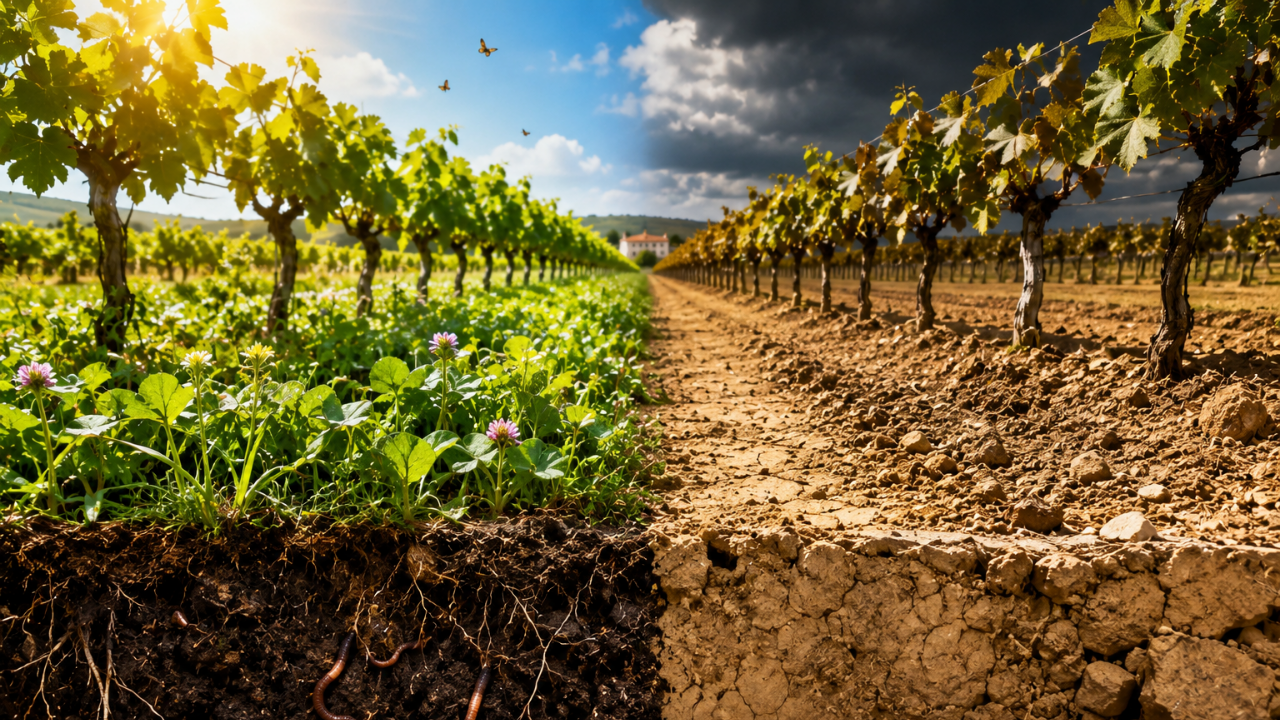
Consider the economics of it, because billionaires do not typically become philanthropists without a pragmatic engine beneath the sentimentality. Turner’s approach to conservation is rooted in sustainable use. The land still produces beef. The grass still grows. But the cattle graze in a rotational pattern that mimics the ancient migrations of bison herds, allowing the soil to rest, recover, and capture carbon. The ranching funds the preservation; the preservation protects the ranching. It is a circular loop that flies in the face of the linear destruction defining modern development.
Yet, numbers and ecological metrics miss the true weight of what was achieved here.
Drive past these properties today, and you feel a strange sense of temporal disorientation. The horizon stretches out, unbroken by utility poles or rooflines. For a few miles, you are permitted to forget that you are in the third most populous state in the nation. You are reminded of what Florida looked like when William Bartram rode his horse through the interior in the eighteenth century, recording a landscape so teeming with life that the passenger pigeons darkened the sky for days.
That world is gone, obviously. We cannot un-pave Orlando. We cannot drain the canals without drowning millions of residents. The compromises of modern civilization are permanent.
Which makes Turner's gamble so provocative. He didn't save the world; he bought a few thousand acres of it back from the ledger books and let the grass grow tall. He showed that wealth, accumulated through the hyper-accelerated machinery of modern media, could be deployed to hit the pause button on our own relentless expansion.
The irony is delicious, and perhaps tragic. It takes a billionaire to afford silence. In a world where every square inch of earth is financialized, where the price of a view is measured in square footage and projected tax revenue, preserving a swamp requires an immense fortune. We have built an economic system that makes nature a luxury item, something you have to be exceptionally rich to protect.
And still, the birds do not care about the balance sheet.
As the sun climbs over the Florida pines, heating the needles until the air shimmers with sweet resin, a white-tailed deer steps out from the tree line. It pauses, ears flicking toward the distant drone of Interstate traffic, then lowers its head to drink from a restored wetland that was once a drainage ditch. The water is clear. The earth is healing. And somewhere, out past the wire fence, the highway hums on, carrying a million people who have no idea what is hiding just beyond the trees.