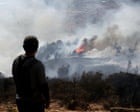
When the flames crested the San Marcos hillside and began chewing through the ancient vegetation overlooking Villa de Leyva, they did not just threaten a picturesque Andean postcard. They exposed the terrifying vulnerability of Colombia's cultural anchors to rapid ecological collapse.
The declaration of a public calamity following the ferocious outbreak near this colonial landmark is more than a routine bureaucratic response to an environmental disaster. It is an urgent symptom of a deeper, systemic failure in how high-altitude ecosystems are managed, protected, and insulated against the compounding pressures of climatic shifts and human interference.
The Anatomy of a High-Altitude Disaster
For decades, Villa de Leyva stood as a monument to preservation. Its massive cobblestone plaza, whitewashed colonial walls, and surrounding arid high-altitude ecosystem drew hundreds of thousands of travelers seeking a timeless escape from Bogotá. But time-worn stone offers zero defense against wind-driven walls of fire.
When the blaze ignited on the slopes, it tore through nearly 300 hectares of native flora within days. More than 400 firefighters, civil defense personnel, and local volunteers fought on the ground, while military aircraft executed nearly 170 water drops in a desperate bid to shield residential zones and historic infrastructure.
This was not an isolated anomaly. Across the country, nearly 20 active fires blazed simultaneously during this surge, stretching municipal disaster response capabilities to a breaking point. The mechanical reality of fighting fires in rugged Andean terrain involves severe logistical hurdles. Helicopters operating at high elevations lose lifting capacity due to thinner air, limiting the volume of water they can dump per run. Firebreaks hacked into dry mountain soil by hand often arrive too late when erratic winds shift direction mid-afternoon.
The Human Factor Beneath the Smoke
Blaming the weather alone is a comforting narrative for authorities, but it is an incomplete one. While developing cyclical weather patterns and extended dry seasons create a tinderbox environment, official investigations into the Villa de Leyva outbreak pointed toward a starker truth: human culpability.
Preliminary findings from environmental agencies indicated that the blaze may have been deliberately started. Agricultural burn-offs, illegal land clearing, and sheer negligence frequently intersect with dry spells, turning minor sparks into unstoppable infernos. In regions where rural livelihoods depend on clearing scrubland, enforcement mechanisms remain critically underfunded.
When environmental ministries issue red alerts across hundreds of municipalities—as seen when over 270 localities faced severe fire warnings—the alerts often fail to translate into proactive boots-on-the-ground prevention. Response mechanisms in Colombia have historically been reactive. The state mobilizes massive air support and declares emergencies only after the smoke is already visible from town squares.
Tourism on the Front Lines
The economic fallout for towns heavily reliant on visitors is immediate and brutal. Hotels empty out within hours of an evacuation order, local artisans lose critical weekend revenue, and the smoke-choked air deters international travel bookings for months afterward.
Yet, tourism boards rarely factor ecological fragility into their marketing models. Towns like Villa de Leyva are aggressively promoted as eternal, immutable havens, hiding the fragile ecological balance holding those landscapes together. When the hills burn, the illusion shatters. The local economy discovers too late that an ash-covered mountain offers little appeal to travelers seeking natural beauty.
The Structural Blind Spot
Addressing this recurring crisis requires moving past temporary disaster declarations. Municipalities across the Andean and Caribbean zones operate with fragmented firefighting resources, relying on volunteer brigades that lack modern tracking telemetry, heavy earth-moving equipment, and dedicated regional air support fleets.
Unless regional governments pivot from emergency firefighting to aggressive landscape management—including strict controlled burns during safe windows, rigorous enforcement of land-use laws, and community-level early warning infrastructure—these public calamities will only accelerate. The fire on San Marcos hill was extinguished, but the structural conditions that fed it remain entirely intact.
The next dry season is already written into the meteorological forecasts. The only question left is whether the response will remain trapped in the ashes of the last emergency.